
Call now
977 01 4518759
Send Message
collegereaders123@gmail.com
Our Location
Putalisadak, Kathmandu
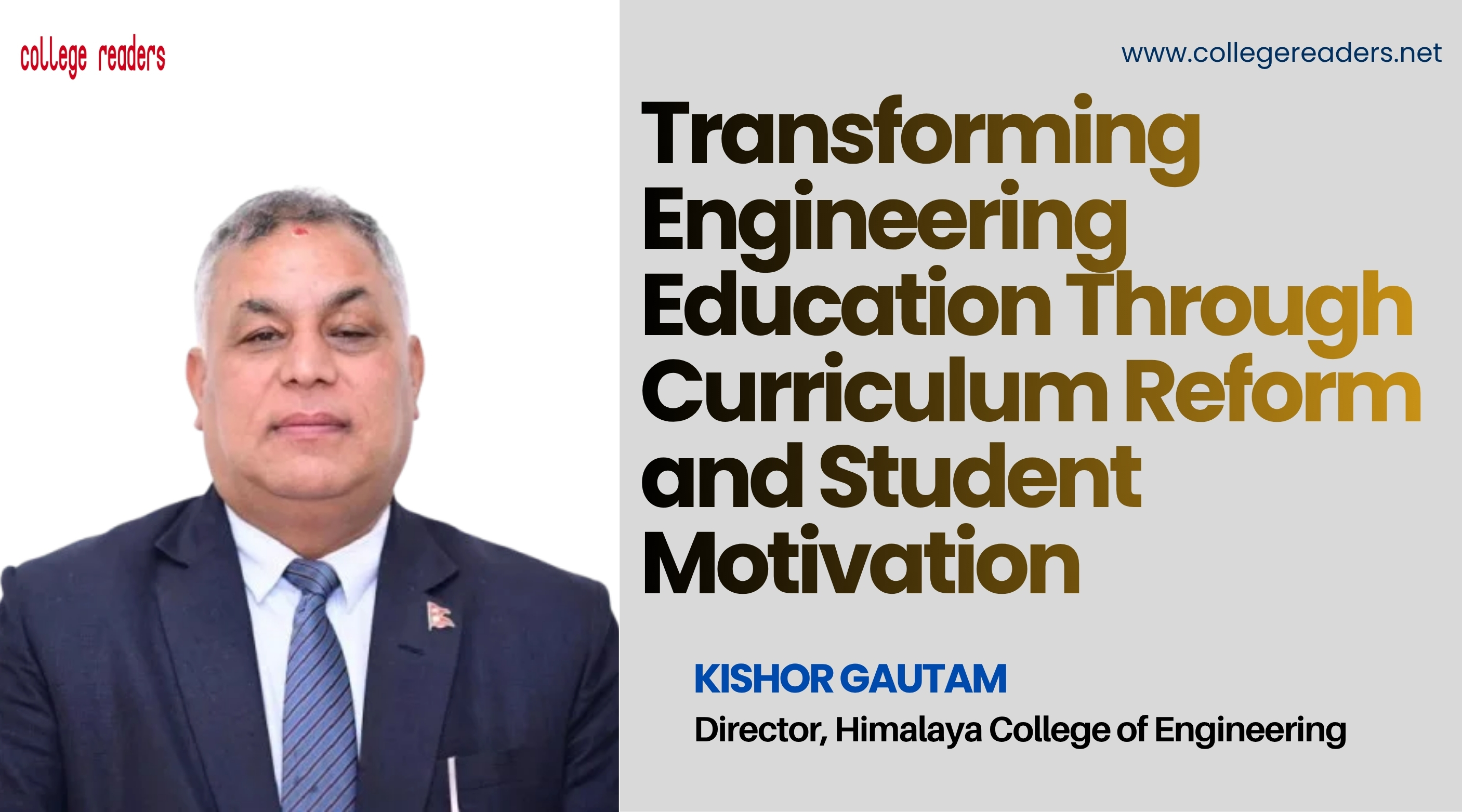
Transforming Engineering Education Through Curriculum Reform and Student Motivation
- College Readers
- 08 Jul 2026
- Views
- Interviews
education. This does not mean engineering has lost its value. Rather, it shows that students are responding to ease, flexibility, practical exposure and earning possibilities. IT courses often seem more practical and accessible. Students can receive training, do part-time work and enter the service market while studying. Engineering, on the other hand, still carries a heavy curriculum, strict examination system and limited space for parallel engagement. When students say they do not want to study engineering because it is difficult to pass, we must listen carefully. One reason is declining student effort, but another is our failure to update curriculum and examination systems according to time.
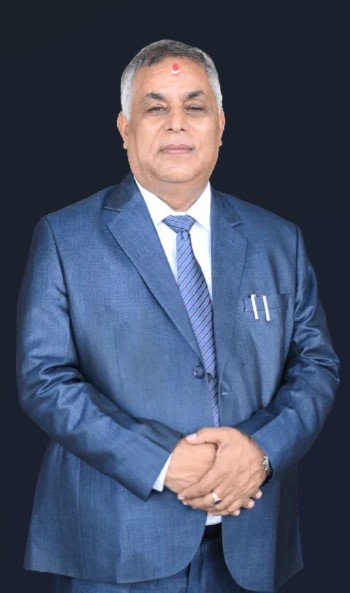
Universities must now ask difficult questions. Should students continue to study six days a week in the traditional way, or should we move toward a model of “earn and learn”? What kind of curriculum does the global market demand? What kind of learning does the new generation expect? A three-hour final examination alone cannot measure the capability of an engineering student. Internal evaluation, practical work, projects, communication ability, discipline and holistic development must carry stronger weight. The real examination is what teachers observe, teach and evaluate across an entire semester. If internal evaluation can be made strong and trustworthy, students will learn continuously, not merely prepare for one final test.
At the same time, I reject the negative narrative that Nepali students or Nepali education are inferior. Our graduates have succeeded in world-class universities, earned scholarships, completed master’s and PhD degrees, received assistantships and reached respected positions globally. If our education were truly poor, this would not be possible. The problem is not the quality of our students; the problem is the mindset being spread among youth that nothing can happen in Nepal. That mindset is dangerous and must be challenged by parents, teachers, colleges, universities and the government.
Foreign study after Grade 12 has become more of a social pressure than an academic decision. Many parents do not actually want to send their young children abroad, but they feel unable to resist because everyone else in the neighbourhood is doing so. In the past, parents felt embarrassed if they could not send their children to boarding school. Today, they feel the same pressure about sending children abroad. This is unhealthy. Many 18 or 20-year-old students go abroad not with a strong academic plan, but with the hope of earning, working and settling. Once there, they struggle for food, rent and jobs. Some choose universities only for visa approval, then change institutions when they cannot pay fees. Some return without recognized degrees, leaving parents with debt and disappointment.
Foreign university-affiliated colleges have contributed significantly to Nepal’s higher education by introducing IT and other professional programmes, maintaining academic discipline and promoting practical curricula.
The government must intervene with policy. If a student wants to go abroad for engineering, IT, medical or management studies, the ministry should verify the university before the student leaves. We should not wait until the student returns and then deny equivalence. The government must maintain a reliable list of recognized universities and guide students accordingly. Students going for engineering should pass Nepal’s entrance standards. Consultancies must also give ethical advice. Foreign study should be for genuine academic growth, not merely escape, labour or social prestige.
Parents should educate children at least up to bachelor’s level in Nepal. Capable Nepali students who complete bachelor’s degrees here and then go abroad usually follow a better path. They obtain scholarships, assistantships, research opportunities and desk-based professional work because they go with maturity and academic strength. Sending immature students abroad immediately after Grade 12 often exposes them to unnecessary hardship. If students must go abroad, let them go as skilled professionals, not as vulnerable labourers.
No subject is good or bad by itself. Engineering, IT, medicine, Nepali, Sanskrit or management can all lead to success if students love the subject, respect it and work sincerely. A subject forced by parents or chosen under peer pressure cannot create excellence. A student must feel, “This is my future, and I am studying for myself.” Without that inner ownership, no curriculum can succeed.
We also need to rebuild discipline and study culture from school level. Students today are surrounded by social media, distraction and artificial intelligence. AI can write a speech instantly, but it cannot build character, effort or originality unless students use it responsibly. Earlier, students prepared by consulting teachers, parents and friends. Today, many want shortcuts. This habit weakens learning. Motivation has become necessary from preschool to master’s level.
Students should complete at least bachelor’s education in Nepal before going abroad so that they leave as skilled professionals, not vulnerable workers.
Engineering and IT should not be understood only as job-seeking subjects. They are job-creating fields. Graduates should develop the courage to say, “I will create employment for others.” For that, colleges must motivate students, restructure learning, connect study with work, and teach them that success requires patience. Everyone wants wealth, comfort and recognition quickly, but they forget the decades of struggle behind every achievement.
Nepal’s education is good, but it must not remain static. When the world changes, we must change. Curriculum, examination, internal evaluation, student motivation, parental responsibility and government monitoring must move together. If we reform with courage, engineering education will regain its strength, IT education will become more meaningful, and Nepal’s young people will see their future not as something to escape from, but something to build here. My appeal is simple: trust our institutions, improve them honestly, and guide students with responsibility. If we combine quality education with discipline, skills and national confidence, Nepal can retain talent and send graduates abroad only as respected professionals with dignity always.

Popular Categories
Trending This Month








 Established in 2065 BS, COLLEGE READERS is a premier national-level educational magazine dedicated to serving the academic and informational needs of school and university students, teachers, educators, and concerned ones in Nepal. The magazine provides current and comprehensive information on various educational opportunities worldwide, aiming to guide school and college-level students in their academic and career journeys. It also highlights essential support services and service providers that play a crucial role in shaping students' career paths in today's competitive world.

- Our Location Putalisadak, Kathmandu
- Send Us Email collegereaders123@gmail.com
- Call Us Now 977 01 4518759
