
Call now
977 01 4518759
Send Message
collegereaders123@gmail.com
Our Location
Putalisadak, Kathmandu
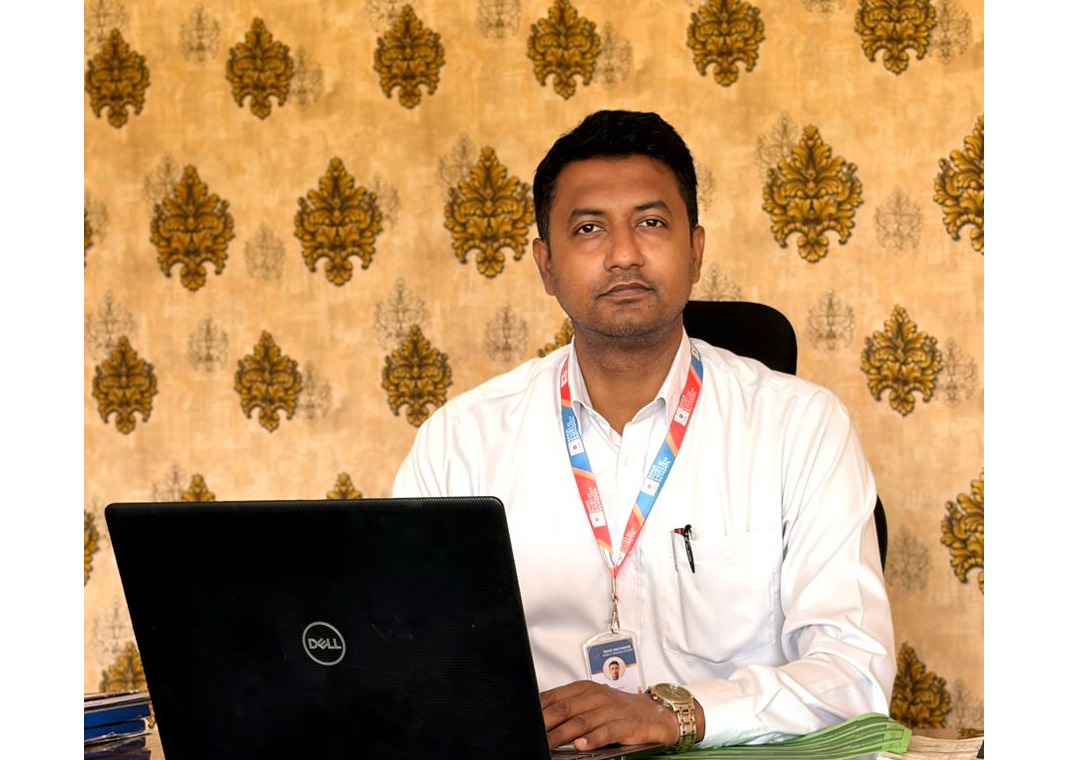
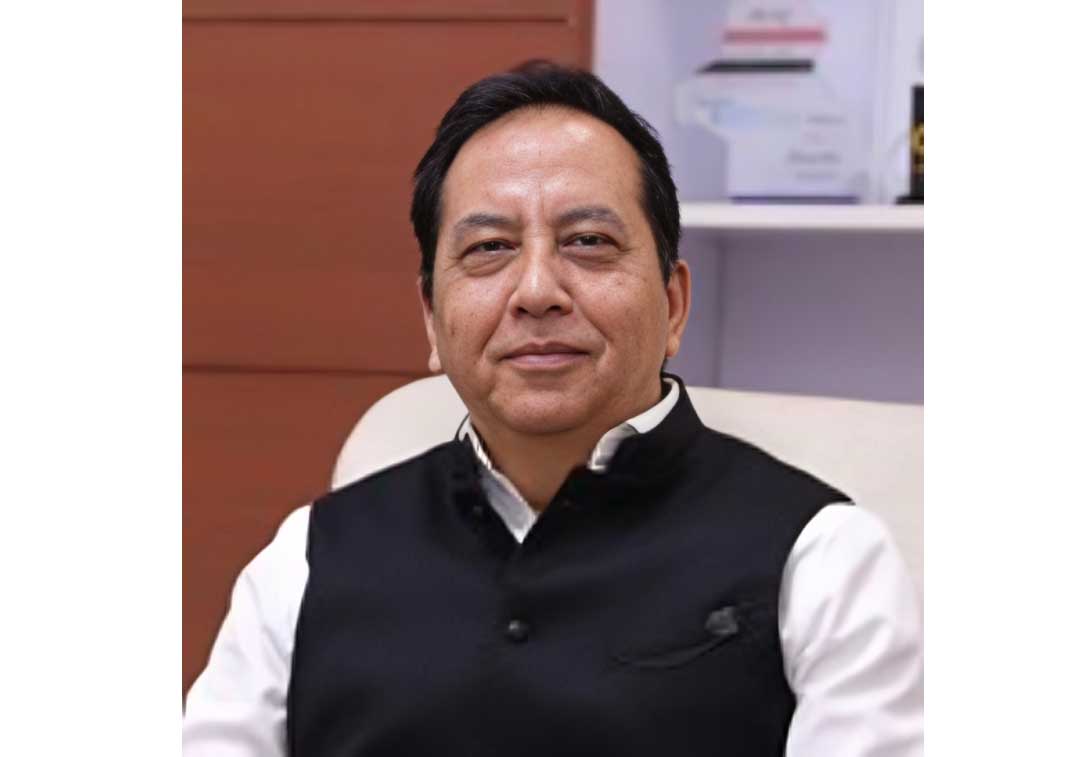
Bikash Dhakal
Founder Principal
MRR Public English School
MRR Creates Ideal Learning Environments for 21st-Century Learners
- College Readers
- 31 Mar 2026
- Views
- Interviews
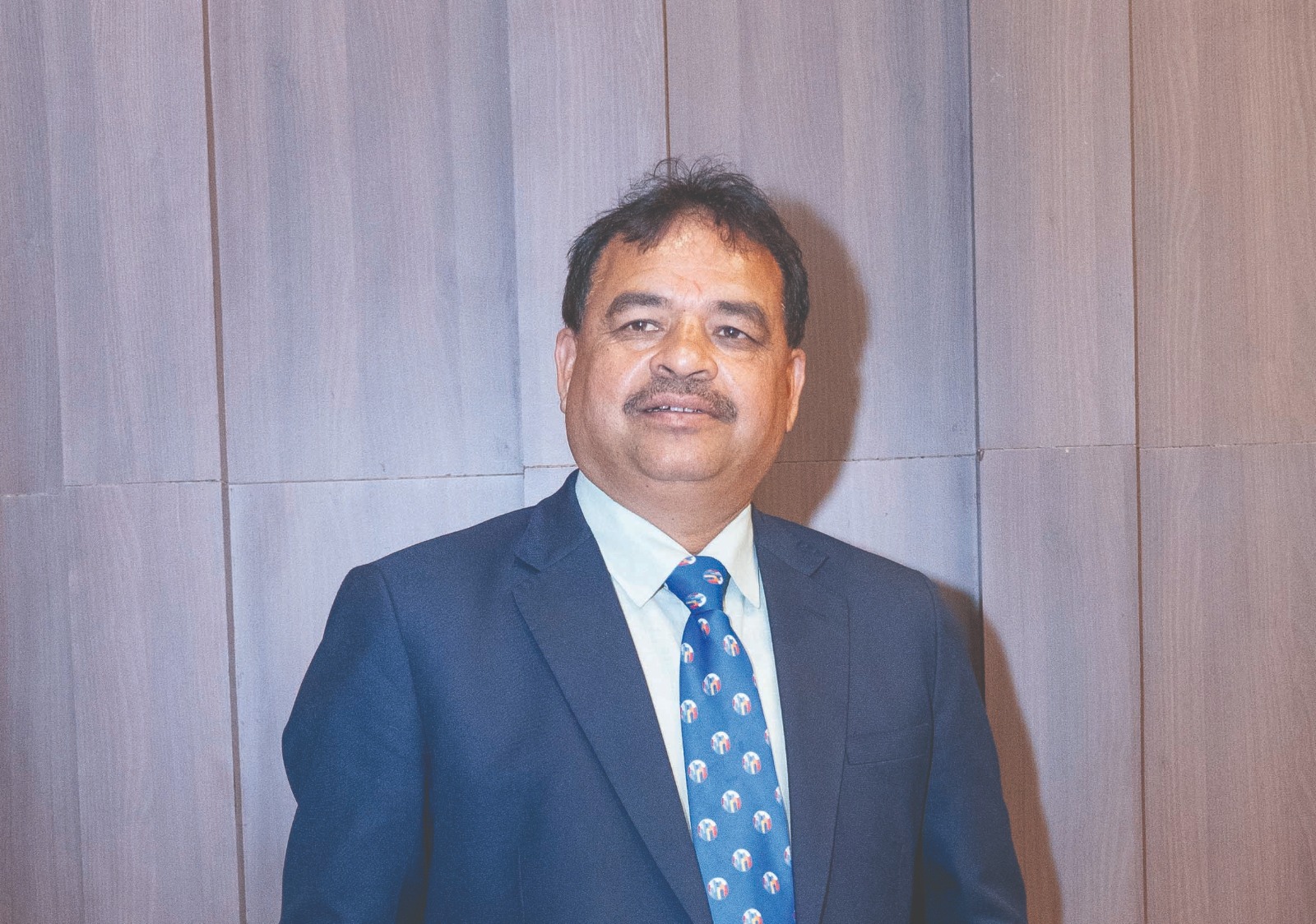
In an era where education is constantly evolving, the role of school leaders has become more dynamic and demanding than ever before. At the heart of this transformation stands Bikash Dhakal, Founder Principal of MRR Public English School, whose journey reflects a deep commitment to shaping education as a tool for personal growth and societal change. In this conversation with College Readers, he shares his insights on leadership, challenges, and the future of learning—speaking from his own experience and vision.
As a school leader, what challenges do you face in today’s rapidly changing educational environment?
One of the major challenges is adapting to continuous changes in teaching methods and technology. Ensuring that both teachers and students keep pace with modern learning approaches is not easy. Additionally, balancing academic excellence with students’ emotional well-being and managing expectations of parents are also significant challenges.
As a school leader, I face a range of challenges in today’s rapidly evolving educational environment across social, parental, technological, and infrastructural dimensions. Socially, students come from diverse backgrounds with varying values, expectations, and emotional needs. Addressing issues such as discipline, mental well-being, and inclusivity requires constant attention and sensitivity.
From a parental perspective, there is often a gap between expectations and realities. Many parents demand high academic performance while sometimes overlooking the importance of holistic development, values, and life skills. Building strong communication and trust with parents remains a continuous challenge.
Technologically, while digital tools have enhanced learning opportunities, they also present challenges such as unequal access, lack of digital literacy among some stakeholders, and the need for continuous teacher training. Keeping pace with rapid technological advancements while ensuring meaningful integration in the classroom is demanding.
Infrastructurally, limitations in resources, space, and modern facilities can affect the quality of education delivered. Ensuring a safe, well-equipped, and conducive learning environment requires careful planning and investment.
Despite these challenges, they also provide opportunities to innovate, adapt, and strengthen the overall educational experience for students.
How do you ensure that the quality of teaching remains consistent across classrooms?
To ensure that the quality of teaching remains consistent across classrooms, I adopt a structured and collaborative approach. I regularly monitor classroom activities through observations and lesson reviews to ensure that teaching practices align with the school’s academic standards and objectives. Conducting periodic teacher evaluations also helps in identifying strengths and areas that require improvement.
In addition, I strongly emphasize continuous professional development. We organize training programs, workshops, and seminars that enable teachers to stay updated with modern teaching methodologies and subject knowledge. Peer observation is another effective strategy we implement, where teachers learn from one another by sharing best practices and constructive feedback.
Regular feedback sessions and academic meetings provide a platform to discuss challenges, set common goals, and maintain uniformity in lesson delivery and assessment methods. We also ensure that clear lesson plans, curriculum guidelines, and evaluation criteria are followed across all classes.
Through these combined efforts, we are able to maintain a consistent standard of teaching, promote collaboration among educators, and ultimately enhance the overall learning experience of our students.
What role do you play in curriculum planning and academic supervision?
As a Principal, I play a central role in both curriculum planning and academic supervision. I work closely with teachers to design and refine the syllabus, ensuring it meets national educational standards while also addressing the diverse learning needs and interests of our students. My involvement includes selecting appropriate learning resources, integrating modern teaching methodologies, and incorporating activities that promote critical thinking, creativity, and holistic development.
In terms of academic supervision, I regularly review lesson plans, observe classroom teaching, and provide constructive feedback to ensure that instructional strategies are effective and aligned with learning objectives. I also monitor student progress through assessments and evaluations, identifying areas that require intervention or additional support. By fostering collaboration among teachers, organizing training sessions, and promoting best practices, I ensure that our academic programs maintain high quality and consistency, ultimately supporting the intellectual and personal growth of every student.
How do you approach conflict resolution among students, parents, and staff?
I approach conflict resolution with a focus on open communication, fairness, and mutual respect. When conflicts arise among students, parents, or staff, I first listen carefully to all parties to understand their perspectives and concerns. By acknowledging their viewpoints, I create an environment where everyone feels heard and valued.
I then work collaboratively to identify solutions that are balanced, practical, and aligned with the school’s policies and values. Maintaining transparency throughout the process helps build trust and prevent misunderstandings. Patience and empathy are central to my approach, as they allow for thoughtful dialogue and constructive outcomes. This method not only resolves immediate issues but also strengthens relationships and promotes a positive, harmonious school environment
How do you define an ideal learning environment for students in the 21st century?
An ideal learning environment in the 21st century is safe, inclusive, and student-centered, where every learner feels valued and supported. It fosters creativity, critical thinking, problem-solving, and collaboration, preparing students for real-world challenges. Technology is integrated thoughtfully to enhance learning and provide access to diverse resources. Such an environment encourages curiosity, independent thinking, and active participation, allowing students to explore ideas beyond textbooks. Teachers act as facilitators, guiding and inspiring learners while promoting ethical values and social responsibility. Ultimately, it cultivates confident, adaptable, and lifelong learners ready to thrive in a rapidly changing world.
What initiatives has your school introduced to make learning more engaging and student-centered?
At MRR Public English School, we have introduced several initiatives to make learning engaging and student-centered. Classrooms incorporate activity-based learning, project work, and the use of digital tools to ensure lessons are interactive and effective. Students are encouraged to participate in a wide range of sports, arts, and extracurricular activities, promoting holistic development. We also prioritize student well-being by emphasizing proper nutrition, a balanced diet, sanitation, and personal hygiene. These initiatives create a dynamic and supportive learning environment where students can explore their interests, develop critical skills, and grow academically, socially, and emotionally.
Popular Categories
Trending This Month








 Established in 2065 BS, COLLEGE READERS is a premier national-level educational magazine dedicated to serving the academic and informational needs of school and university students, teachers, educators, and concerned ones in Nepal. The magazine provides current and comprehensive information on various educational opportunities worldwide, aiming to guide school and college-level students in their academic and career journeys. It also highlights essential support services and service providers that play a crucial role in shaping students' career paths in today's competitive world.

- Our Location Putalisadak, Kathmandu
- Send Us Email collegereaders123@gmail.com
- Call Us Now 977 01 4518759
