
Call now
977 01 4518759
Send Message
collegereaders123@gmail.com
Our Location
Putalisadak, Kathmandu
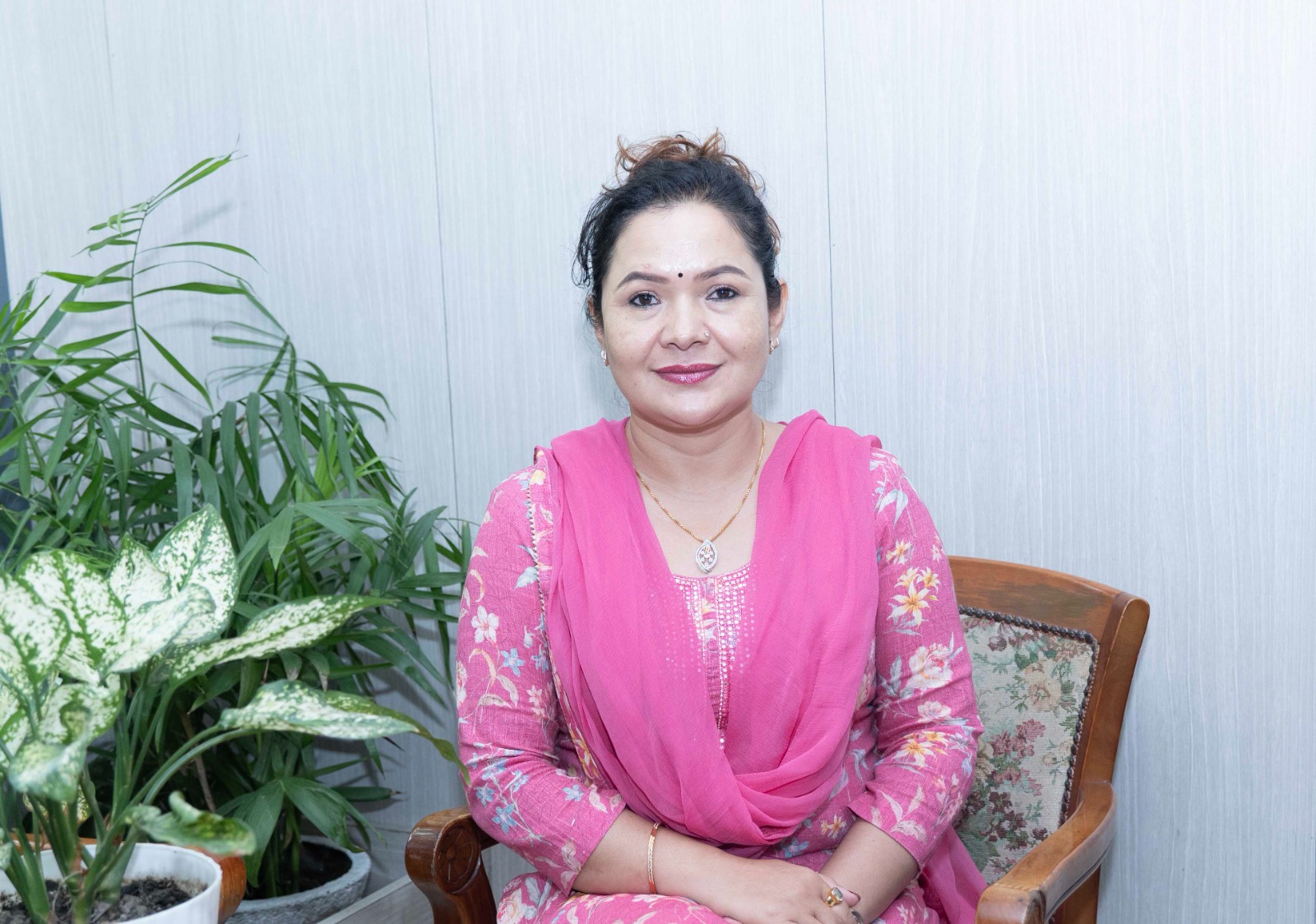
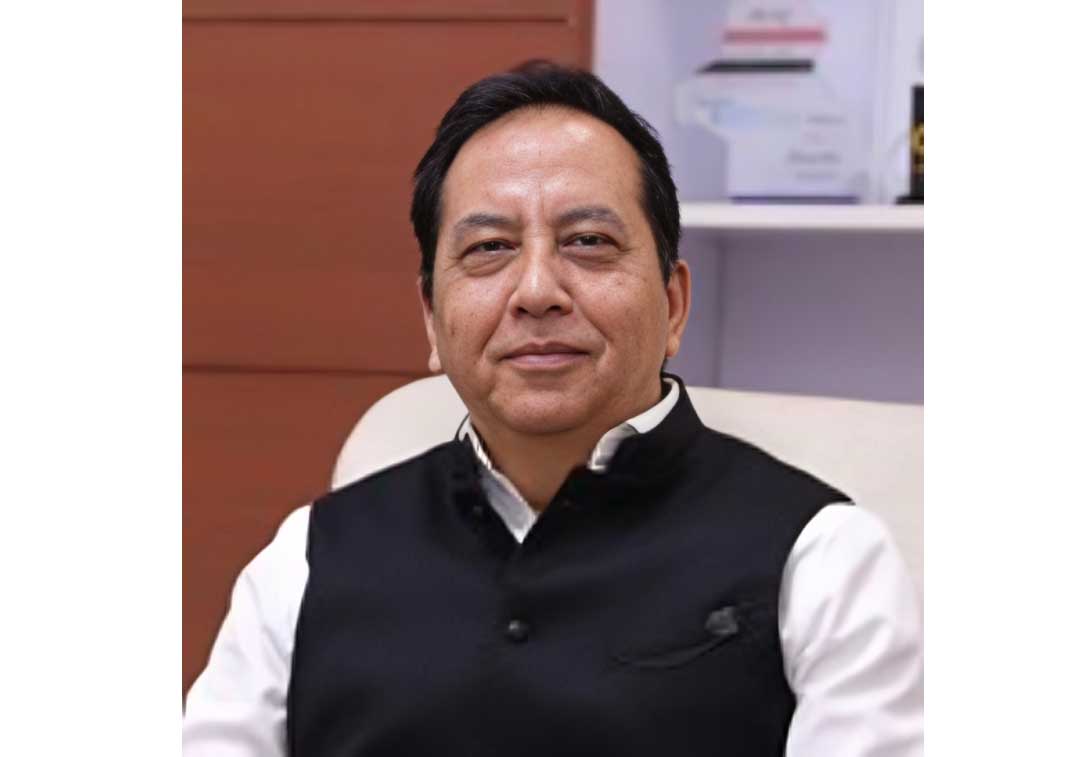
Anju Bhattarai
Executive Director
Akshara School, Kathmandu
The Balance In Knowledge, Skills, Attitude, and Values Transforms Lives
- College Readers
- 31 Mar 2026
- Views
- Interviews , Study in Nepal
Introduction: A Defining Moment in Education
We are living in a time when education stands at a profound crossroads. Today’s children are growing up in a world that is faster, more connected, and more complex than ever before. They have access to information at their fingertips, exposure to global ideas, and the freedom to question, explore, and innovate.
Yet, alongside these opportunities come challenges—declining patience, reduced attention spans, emotional vulnerability, and a growing disconnect from human values.
This moment demands a fundamental shift in how we understand education.
“Education is no longer about producing high scorers; it is about shaping thoughtful, capable, and compassionate human beings.”
Beyond Marks: Redefining Quality Education
For decades, academic achievement—measured through marks and grades—has dominated our definition of success. But is this truly education?
Quality education must go beyond intellectual development. It must embrace the holistic growth of a child—intellectual, physical, emotional, social, and ethical.
A child who excels in exams but struggles with empathy, resilience, or self-awareness is not fully prepared for life.
“True education nurtures not only the mind, but also the heart and character of a child.”
At its core, meaningful education integrates four essential pillars:
- Knowledge – conceptual understanding and academic foundation
- Skills – the ability to apply learning in real-life contexts
- Attitude – values, mindset, and behaviour
- Technology – tools that enhance learning and global connectivity
When these elements work together, education becomes transformative.
The Power of Values: Education as Character Formation
Values are not taught through lectures—they are cultivated through experience.
Every repeated action becomes a habit. Every habit, over time, becomes culture.
If children consistently practise gratitude, respect, and responsibility, these become part of who they are. But if they are exposed to anger, comparison, and indifference, those too become embedded.
“Education is not what we say; it is what children repeatedly experience.”
This is why value-based education must be intentionally integrated into daily school life—not as a subject, but as a lived practice.
A Shared Responsibility: School, Home, and Society
A child learns from multiple environments—home, school, society, and the broader national context.
Schools alone cannot shape children if society sends conflicting messages.
When children observe dishonesty, impatience, or disrespect in the adult world, they internalize those behaviours.
“If we want a better society tomorrow, we must model it today.”
Therefore:
- Parents must practise conscious parenting
- Schools must create nurturing learning environments
- Governments must ensure stable, value-driven policies
- Society must uphold integrity in action
Only then can education truly transform lives.
Progressive Education: Learning Beyond the Classroom
Progressive education is not about abandoning tradition; it is about enriching learning through experience.
It means helping children:
- Think critically
- Collaborate effectively
- Lead with confidence
- Create with imagination
Children need opportunities to do, reflect, and grow.
“The goal of education is not perfection, but progress—helping every child become better than yesterday.”
Classrooms must evolve from teacher-centered instruction to learner-centered engagement—where teachers become facilitators, mentors, and guides.
Technology and Humanity: Finding the Right Balance
Technology has transformed education. Artificial intelligence, digital tools, and online platforms have opened doors to creativity and global learning.
But unchecked use can lead to distraction, dependency, and reduced emotional connection.
The solution is not rejection—but balance.
“Technology should enhance thinking, not replace it.”
Schools must:
- Teach digital literacy and cyber ethics
- Encourage critical thinking over passive consumption
- Maintain strong reading culture and human interaction
Children should still:
- Hold books
- Engage in discussions
- Participate in hands-on learning
- Build patience through real-world experiences
When balanced well, technology becomes a powerful ally.
Every Child Matters: Rethinking Success
One of the greatest injustices in education is the belief that intelligence is measured only by academic performance.
Every child is unique.
Some shine in academics. Others excel in music, sports, art, communication, or practical skills.
“A child’s worth cannot—and should not—be measured by marks alone.”
A progressive education system recognizes diverse talents and provides equal dignity to all learners.
A healthy society needs:
- Scientists and engineers
- Artists and musicians
- Athletes and innovators
- Thinkers and creators
Education must help children discover their strengths—and nurture them.
The Role of Parents: Guided Freedom
Parents are a child’s first teachers—and lifelong influencers.
Understanding a child’s individuality is essential. Instead of comparison, parents must focus on connection.
Children need:
- Guided freedom
- Meaningful engagement
- Emotional support
Encouraging participation in activities such as sports, arts, music, and life skills helps children develop confidence and discipline.
“Do not ask only what your child achieves—ask who your child is becoming.”
Empowering Teachers: The Heart of Transformation
No education system can rise above the quality of its teachers.
Today’s learners are curious, expressive, and technologically aware. Teaching them requires continuous learning and adaptation.
Schools must:
- Invest in regular teacher training
- Provide professional development opportunities
- Allocate budgets for resources and innovation
“To prepare students for the future, we must first prepare teachers for the present.”
The Way Forward: A Vision for the Future
The future of education lies in clarity, courage, and collaboration.
We need:
- Value-driven schools
- Informed and supportive parents
- Consistent national policies
- A society that practices what it preaches
Above all, we must remember:
“Education is not the preparation for life—it is life itself.”
Conclusion: Educating for Humanity
If we truly embrace progressive, value-based education, we will not only produce successful students—we will nurture responsible citizens, ethical leaders, and compassionate human beings.
And in doing so, we will shape not just individuals, but the future of our society.

Popular Categories
Trending This Month








 Established in 2065 BS, COLLEGE READERS is a premier national-level educational magazine dedicated to serving the academic and informational needs of school and university students, teachers, educators, and concerned ones in Nepal. The magazine provides current and comprehensive information on various educational opportunities worldwide, aiming to guide school and college-level students in their academic and career journeys. It also highlights essential support services and service providers that play a crucial role in shaping students' career paths in today's competitive world.

- Our Location Putalisadak, Kathmandu
- Send Us Email collegereaders123@gmail.com
- Call Us Now 977 01 4518759
