
Call now
977 01 4518759
Send Message
collegereaders123@gmail.com
Our Location
Putalisadak, Kathmandu
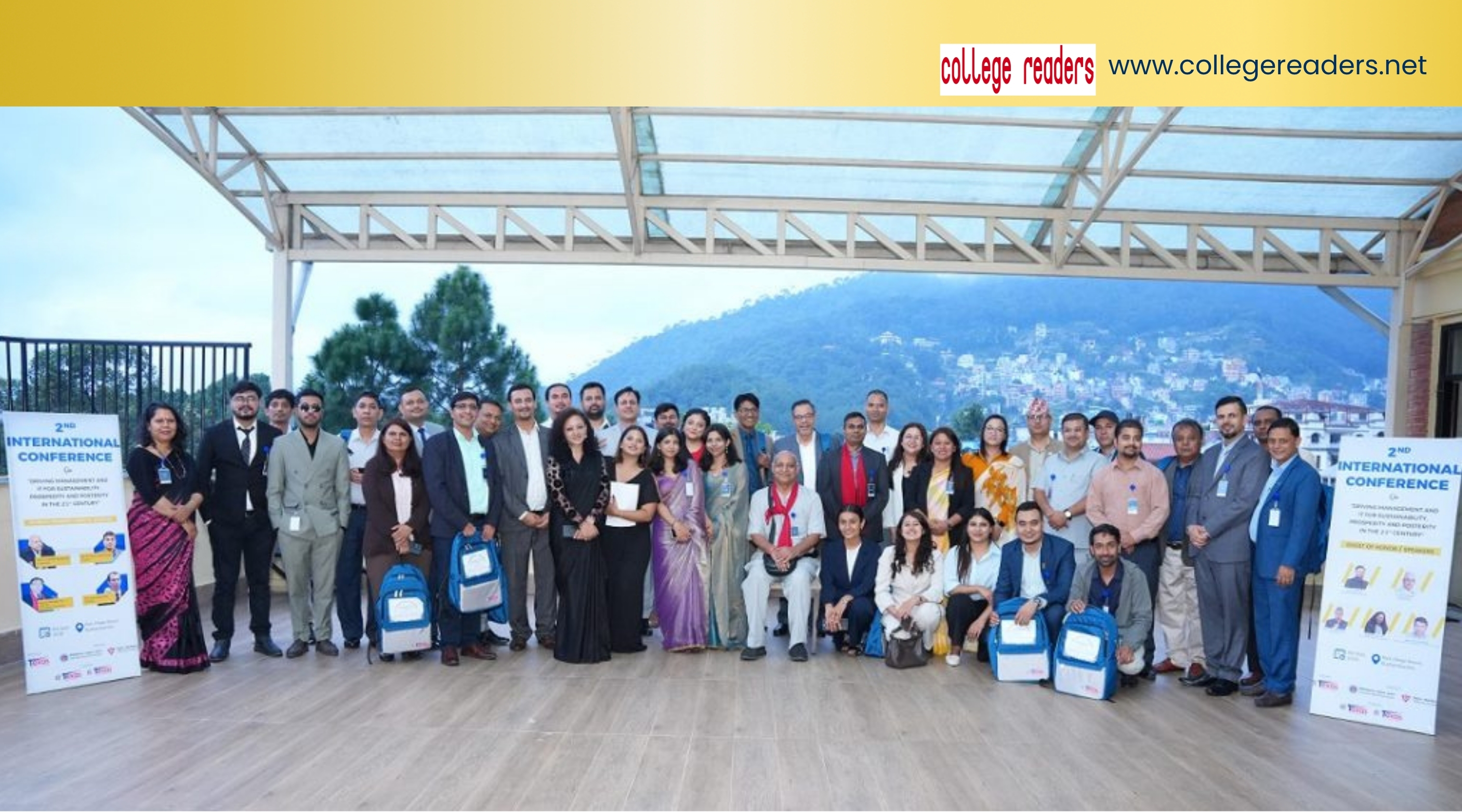
Texas International College Hosts Second International Conference on Sustainability, Management and Technology
- College Readers
- 08 Sep 2026
- Views
- Events
Kathmandu, September 7 — Texas International College, Chabahil, Kathmandu, successfully concluded its Second International Conference at Park Village Resort in Budhanilkantha, bringing together academics, researchers and experts from Nepal and abroad to discuss the growing role of management and information technology in building a sustainable and prosperous future.
The conference, themed “Use of Management and Information Technology for Sustainability, Prosperity and Future Generations in the 21st Century,” provided a multidisciplinary platform for research presentations and discussions on emerging challenges and opportunities in technology, management and sustainable development.
The inaugural session was chaired by Texas International College Chairman Bhesh Raj Pokharel, with University Grants Commission Chairman Prof. Dr. Khadga Bahadur KC attending as the chief guest.
Former Tribhuvan University Vice-Chancellor Prof. Dr. Tirtha Raj Khaniya participated as a special guest, while Prof. Dr. Sean Watts of Swinburne University, Australia, joined as a special speaker.
The conference also featured keynote addresses by Prof. Dr. Santosh Rangnekar of the Indian Institute of Technology Roorkee, Prof. Dr. Suryaprakash Singh of the Indian Institute of Technology Delhi, and Prof. Namjae Cho, President of ITAM, South Korea.
Among other prominent participants were former governor Dr. Chiranjibi Nepal, Kathmandu University School of Education Dean Prof. Dr. Bal Chandra Luitel, and digital governance expert Bhoj Raj Ghimire.
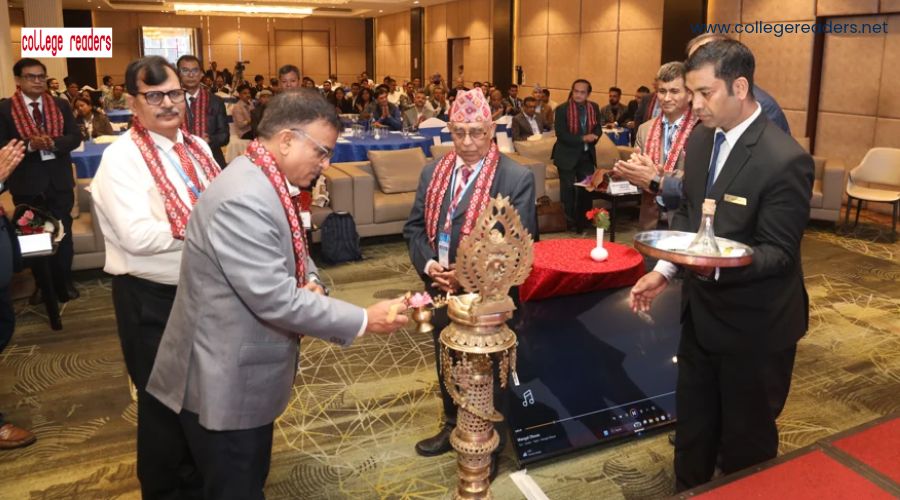
The programme began with a tribute to those who lost their lives in the recent floods and landslides in Nepal. The formal opening included the national anthem and ceremonial lighting of the lamp. Principal Dr. Shyam Sundar Shrestha delivered the welcome address, while Chairman Pokharel outlined the objectives and broader significance of the conference.
More Than 40 Research Papers Presented
Researchers from Nepal and abroad presented studies covering a broad range of disciplines, including management, finance, sustainability, socio-economic development, artificial intelligence, cybersecurity, digital transformation, education, culture and health.
Technical sessions explored issues such as Nepal's digital economy, green supply chains, sustainable business practices, AI readiness, cybersecurity, digital banking, data management, machine learning and access to technology.
Education and interdisciplinary research sessions addressed the development of future-ready educational institutions, teacher capacity building, the use of technology in English-language teaching, parenting and digital footprints, student behaviour, health and safety, cultural preservation and sustainable tourism.
More than 40 research papers were presented across three parallel sessions. Each presentation was followed by comments from session chairs and question-and-answer discussions, allowing researchers and participants to critically engage with the findings.
Afternoon sessions expanded the discussions to digital supply chains, the evolving relationship between AI and human roles, the adoption of AI among small and medium-sized enterprises, digital financial literacy, data protection and cultural revival.
Linking Innovation With Sustainable Development
The conference concluded with remarks from Research Chair Prof. Dr. Satish Kumar Ojha, followed by a vote of thanks from Managing Director Jitendra Kumar Bakhu.
A central conclusion emerging from the conference was that technology and management should not be viewed solely as drivers of efficiency and economic growth. Instead, innovation should increasingly be aligned with sustainable development, economic prosperity and the long-term interests of future generations.
Speaking after the conference, Principal Dr. Shrestha said management and information technology have become critical foundations for sustainability and prosperity in the 21st century.
He said the conference had created an important international platform for the exchange of knowledge, research findings and academic perspectives, expressing confidence that such collaboration would contribute positively to Nepal's academic and management sectors.
Texas International College said it would continue to prioritise research, innovation and international academic collaboration, while organising similar international programmes in the future to connect Nepali scholars and students with emerging global knowledge and practices.

Popular Categories
Trending This Month








 Established in 2065 BS, COLLEGE READERS is a premier national-level educational magazine dedicated to serving the academic and informational needs of school and university students, teachers, educators, and concerned ones in Nepal. The magazine provides current and comprehensive information on various educational opportunities worldwide, aiming to guide school and college-level students in their academic and career journeys. It also highlights essential support services and service providers that play a crucial role in shaping students' career paths in today's competitive world.

- Our Location Putalisadak, Kathmandu
- Send Us Email collegereaders123@gmail.com
- Call Us Now 977 01 4518759
