
Call now
977 01 4518759
Send Message
collegereaders123@gmail.com
Our Location
Putalisadak, Kathmandu

Consensus for Excellence: Strengthening Private Education through HISSAN’s Unified Front
- College Readers
- 24 Dec 2025
- Views
- Features
Dr. Rajendra KC, Advisor, Central HISSAN
.jpg)
Having worked closely with many schools and colleges across HISSAN and participated in numerous programs, I have seen something both inspiring and instructive: the Bagmati chapter has been extraordinary in its energy, initiative, and sustained activity. That dynamism has produced measurable gains and set a standard that other regions must emulate. When I look across Nepal, it is clear we need that same commitment and momentum in every province and district if we are to strengthen private education nationally.
So the central question is: what kind of leadership does HISSAN need going forward? In today’s rapidly changing educational environment we require leaders who are relatively younger, firmly grounded in day-to-day realities, and deeply attuned to the aspirations of the new generation. Such leaders must understand what motivates students, what satisfies parents, and what kinds of learning experiences translate into meaningful careers and citizenship.
Leadership must operate simultaneously at two levels. At the policy level, leaders should advocate for curricula that reflect contemporary skills and global benchmarks, promote evidence-based research programs, and build partnerships with universities and international institutions. At the grassroots level, they must be present in schools—listening to teachers, engaging students, supporting principals, and ensuring that policy decisions translate into improved classroom practice. Only a leader who bridges policy and practice can ensure reforms are implemented and sustained.
A strategic opportunity exists at the Plus Two level. Currently many students through Plus Two are not leaving the country en masse; they are still embedded in our domestic system. This represents an enormous opening. If HISSAN can create the right environment—adequate infrastructure, modern pedagogy, career counseling, and pathways to higher education or employment—we can retain and nurture this cohort. Achieving this will require targeted investment, teacher training, digital learning platforms, and a visionary leader to coordinate these efforts across institutions.
On leadership selection, we must respect HISSAN’s traditions. Where consensus is possible, rallying behind a senior, experienced leader makes sense and promotes unity. But where consensus cannot be reached, democracy must take its course. Every capable colleague should have the right to stand; the electoral process must be fair and its outcomes respected. Winning and losing are part of a mature organizational culture.
To all delegates and representatives coming from across the country: you are seasoned stewards of education. Your responsibility is to choose leadership with care, diligence, and an eye on the long term. Once a strong team emerges, we must unite behind it, offering constructive support and holding it accountable through transparent governance and measurable goals. The future of Nepal’s private education sector depends on the choices we make today. Let us choose wisely, build consensus when possible, honor democratic outcomes when needed, and move forward together with purpose and unity.
Bhesh Raj Pokharel, Vice President, HISSAN
.jpg)
My journey with HISSAN began during its critical revival in 2063 BS (2006 AD), a period that redefined the landscape of private education in Nepal. For nearly twenty years, I have dedicated my professional life to this organization, serving with unwavering commitment through two terms on the Central Committee and two terms as Vice President. Throughout this two-decade odyssey, our sector has navigated a gauntlet of intense scrutiny. While we must honestly acknowledge our own institutional shortcomings, it is equally true that the state has too often treated private education as an adversary to be quelled rather than a vital partner in nation-building. Today, as Nepal engages with the global community through the WTO, the stakes have shifted. We must move beyond past grievances, stop repeating tactical mistakes, and aggressively align our institutions with international standards.
As the National Convention on Poush 11–12 approaches, the selection of our next leadership has become an existential necessity. HISSAN is not merely a trade association; it is an assembly of educators, intellectuals, and seasoned professionals. Consequently, our internal conduct must be the mirror image of the discipline and ethical values we instill in our students every day. Public discord and internal bickering only serve to erode our credibility in the eyes of parents and the government. Any disagreements must be resolved with dignity within the sanctity of the organization, rather than being aired in the public market to the detriment of our collective brand.
My commitment to HISSAN is rooted in a deep sense of institutional integrity rather than personal ambition. While I am a legitimate candidate for the Presidency, I refuse to let my candidacy become a catalyst for division. If the collective wisdom of the delegates favors a path of consensus and requests that I serve as Senior Vice President to maintain organizational balance, I will accept that mandate with humility. If true unity requires that I step back entirely to a general membership role, I will do so willingly. I have learned that true success is measured by the weight of one’s contribution, not the prestige of a title; sometimes, the act of relinquishing a position is the greatest service one can offer.
We require a leader who can unite our colleagues from Mechi to Mahakali, bridging the invaluable experience of our founding elders with the vibrant energy of our youth. The ideal candidate must walk a "middle path"—valuing ethical conduct and inclusive decision-making. To my fellow delegates: HISSAN is a family. While democracy allows for differing views, let us prevent personal animosity from clouding our judgment. I urge you to offer visionary counsel so that we may emerge with a unanimous, robust leadership. Let this assembly display the maturity that honors our history and secures our future.
Jiwan Prakash Sharma, Vice President,central HISSAN
.jpg)
Reflecting on my journey through the government, cooperative, and private sectors, I have seen firsthand that while the ultimate goals of education remain universal, the pathways to achieving them differ immensely. In Nepal, the private sector has consistently proven its mettle through accountability, discipline, and a superior work ethic. The data speaks for itself: when nearly 92% of our nation’s engineering graduates emerge from private colleges, the vital role we play in nation-building is undeniable.
HISSAN was born in 2053 BS out of a necessity to localize excellence. Before the "Plus Two" concept took root in Nepal, our students were forced to seek quality education in places like Darjeeling or Mussoorie. HISSAN became the shield and the catalyst that allowed private institutions to flourish, ensuring that world-class learning could happen right here at home.
Having served HISSAN since its inception—progressing from a member to Secretary and now as Vice President—I have witnessed our organization evolve from focusing solely on secondary schooling to becoming a massive umbrella for IT, medical, engineering, and management institutions. Our mission remains steadfast: the protection, promotion, and security of private educational investments.
The recent struggle surrounding the School Education Act has been a defining chapter of my tenure. Provisions attempting to force non-profit conversions and unsustainable scholarship mandates posed an existential threat to private enterprise. Through rigorous advocacy with the Ministry of Education and university leadership, we have fought to maintain a balanced ecosystem. Our "Study Nepal" initiative is not just a slogan; it is a strategic necessity to prevent the "brain drain" and capital flight that currently depletes our nation’s potential.
As we approach the 9th National Convention, we must remember that for an organization tasked with protecting institutional interests, the transition of power should be smooth and consensus-driven. Our current President, Ramesh Kumar Silwal, has led us through the complexities of COVID-19 and legislative upheaval. As he prepares to hand over the mantle, our focus must be on continuity and unity.
Regarding my own role: I have never sought a position for the sake of a title. I believe leadership is measured by the value one adds to the collective. I am prepared to serve in whatever capacity my colleagues deem necessary through thoughtful consultation.
In this 21st century, the era of the "solo pilot" is over. We need a team-based model where collective wisdom guides our flight path. I envision a HISSAN where leadership listens to diverse opinions, mentors the next generation, and moves in a unified direction. Let us use this convention to build a leadership team that doesn't just hold office but solves the complex problems of our age through collaboration and courage.
Hari C. Lamichhane, Vice President, HISSAN
.jpg)
I firmly believe the upcoming leadership of HISSAN must be formed through consensus; we are striving to make this a 'Convention of Unity.' Rather than getting caught up in disputes, we need to select a shared leadership that embraces colleagues from all levels, regions, and diverse perspectives. That is our primary focus.
We need a leadership that can pierce through upcoming challenges while honoring our past legacy. While we thank the current leadership for their contributions, the new team must boost the morale of our members. Every member should feel a sense of pride saying, 'I am a member of HISSAN.' We have felt a bit of stagnation in the leadership recently, so we are coming forward with a very clear vision for change.
Currently, our society and country are in a state of instability. This affects private sector investments. HISSAN’s core role must be policy advocacy—securing the future of these investments through strategic planning. Most importantly, education must be linked with society. We have suffered losses because education and society have often moved in opposite directions. Until we link education with the community, parents, and students, we cannot fully establish the fact that the private sector is contributing significantly to the nation. We must become one with society; that is how we protect our existence and our investments. We need a partnership model where private education and the state’s overall education system move forward together in connection with the community.
Regarding my candidacy, I haven’t made a rigid decision. I am currently serving as a Vice President. I believe one should contribute to the organization from any position required. I have never insisted on a specific post, and I am not making a hard claim now. To ensure consensus, everyone needs to be flexible, and I am personally ready to be flexible for the sake of the organization.
Our maximum effort is toward a unanimous, integrated HISSAN team. To the delegates coming from across the country: the way we choose our leadership will determine the future of this institution. I urge you to select a balanced, natural, and organic leadership. Please contribute thoughtfully and raise your voices with clarity.
We are actually very close to a consensus. Our current President, Ramesh Kumar Silwal, has clearly stated that he is stepping down and has no claim for another term. While thanking him for his work, we have two Senior Vice Presidents-Yuvraj Sharma and Nawaraj Pandey. We are confident that through a mutual agreement between them, a new leadership will emerge naturally.
Dipendra Bhandari, Vice President, HISSAN
.jpg)
The 9th National Convention of HISSAN represents a defining crossroads for Nepal’s private education sector, occurring at a time when institutional resilience is being tested by economic stagnation and a shifting political landscape. A shared sentiment across the leadership, from the central secretariat to district presidents in Morang, Chitwan, Pokhara, and Rupandehi, is that the era of fragmented competition must give way to a "Convention of Unity." Leaders advocate for a leadership selection process rooted in consensus rather than conflict, arguing that a unified front is the only way to safeguard private investments against inconsistent local regulations and the rising tide of political populism. By prioritizing "natural growth"—where seasoned educators ascend through the ranks based on merit—HISSAN aims to project a maturity that compels the state to view private educators as indispensable partners in nation-building rather than mere commercial entities.
Beyond administrative stability, the leadership is calling for a radical "Techno-Academic" transformation to address the alarming "brain drain" of Nepali students. The vision presented involves a fundamental shift in the national curriculum, moving toward a dual-track system that separates specialized technical-vocational training from high-level academic research. By integrating advanced fields such as Data Science, Artificial Intelligence, and Robotics into the school level, HISSAN seeks to modernize the identity of the Nepali student. This intellectual leap is seen as a prerequisite for national survival; as educators, they view themselves as "engineers of life" who must architect a society that is productive, innovative, and globally competitive.
Furthermore, this transformation requires a decisive intervention in the current bureaucratic mindset, which remains anchored in traditional structures. The next leadership must possess the intellectual weight to challenge the status quo and ensure the government recognizes the private sector's contribution as a public good. To compete globally, we must adopt the educational modalities of high-performing nations like South Korea and Japan, where high-skill technical training begins early. By making digital literacy a compulsory 200-mark component from the primary level, we ensure the next generation becomes a "top-tier competent" workforce capable of driving the domestic economy.
Finally, the integrity of HISSAN’s future relies on a renewed commitment to fiscal transparency and professional ethics. Office bearers emphasize that institutional strength begins with internal discipline, advocating for a culture free from nepotism. The candidacy for central roles is being framed not as a pursuit of prestige, but as a mandate for selfless service and rigorous policy advocacy. Whether addressing post-pandemic financial crises or negotiating for better legislative protection, the collective goal is to ensure HISSAN remains a prestigious, research-driven brand. Ultimately, the convention serves as a pledge to protect the legacy of private education while courageously embracing a digital, disciplined, and innovative future for Nepal.
Lok Nath Upadhyay, Vice President, HISSAN
.jpg)
The upcoming 9th National Convention of HISSAN stands as one of the most significant gatherings of education leaders in the country. It is far more than a routine organizational event; it is a national intellectual forum where representatives from every corner of Nepal will assemble to deliberate on the most urgent and complex challenges facing the education sector today. As Vice President of the Central Committee, I firmly believe this convention must deliver leadership that rises above day-to-day administrative management and moves decisively toward visionary advocacy, policy engagement, and long-term institutional reform.
The foremost responsibility of the incoming leadership is to bridge the widening gap between private educational institutions and the government. For too long, private education has been viewed primarily through a regulatory lens rather than as a strategic partner in national development. HISSAN requires leadership capable of maintaining continuous, constructive, and high-level dialogue with the state, not merely for coordination, but to actively influence, revise, and amend the Education Act of Nepal in ways that protect private institutions while ensuring quality, equity, and sustainability across the system.
Equally important is HISSAN’s role in advocating for the establishment of advanced, innovative, and specialized universities within Nepal. Our academic ecosystem must evolve to include emerging global disciplines, research-driven programs, and modern teaching models that meet international standards. Providing world-class education at home is the most effective way to curb the growing trend of students seeking opportunities abroad, thereby reducing the loss of human talent and financial resources while strengthening national capacity and academic confidence.
Effective leadership must also be inclusive and collaborative. A genuine leader is a team player who treats all private institutions fairly, respects diversity within the sector, and ensures transparency and accountability. Regular, structured, and meaningful engagement with key umbrella organizations such as PABSON and N-PABSAN is essential to unify the voice of private education, strengthen internal coordination, and enhance collective influence in national policy discourse.
At this critical juncture, HISSAN must prioritize strategic planning and forward-looking policies that enable Nepal’s education system to compete regionally and globally. Leadership must anticipate future challenges, respond decisively to policy shifts, and inspire confidence among educators, investors, parents, and students alike. Ultimately, HISSAN needs leadership that embodies clarity of vision, consistency of commitment, and courage in action, leadership that truly knows the way, goes the way, and shows the way for all dedicated HISSANists across the nation.
This convention therefore carries historic responsibility, demanding unity, discipline, and maturity from every delegate present, so that decisions taken collectively reflect institutional wisdom, national interest, and educational ethics, and provide a clear, stable, and credible mandate for the incoming leadership to act decisively in defense of private education and national educational sovereignty overall.
Babu Ram Pant, Vice President, Central HISSAN
.jpg)
HISSAN is the essential guardian of Nepal’s private education sector, spanning the entire spectrum from secondary schools to universities. Its role is not limited to representation alone; it is a national institution entrusted with protecting the rights and interests of private investors while also ensuring that the country’s educational framework is governed with professionalism, accountability, and academic excellence. For decades, private institutions have provided enormous relief to the Government of Nepal by building resilient infrastructure, expanding access to education, and absorbing student demand that the public system was unable to meet. By creating competitive, world-class academic environments at home, private education has become an indispensable pillar of national development, innovation, and social mobility.
I am traveling from Pokhara with my colleagues to attend the 9th National Convention with a sense of urgency, responsibility, and clear purpose. The challenges confronting private education today are complex, multidimensional, and constantly evolving; therefore, mediocre leadership will simply not suffice. What we need now are leaders who are courageous, strategically minded, ethically grounded, and capable of sophisticated advocacy across political and ideological divides. Experience has repeatedly shown that regardless of which political party holds power, skepticism toward private education often persists within government circles. This convention must therefore prioritize the election of capable and credible leaders who can counter discriminatory narratives, protect institutional autonomy, and secure a stable, favorable policy environment for investment, innovation, and quality enhancement.
Success will require full and meaningful participation from every district and from every category of member institution. Only through broad representation can we accurately surface local challenges, share proven best practices, and craft collective, nationally relevant solutions. The convention should actively engage experts in pedagogy, governance, finance, accreditation, and educational technology to enrich deliberations and help design pragmatic, scalable interventions. The leadership we choose must be able to unify diverse voices, coordinate district-level initiatives, strengthen internal quality assurance mechanisms, and lead a proactive, evidence-based advocacy agenda at the national level.
I look forward to a convention where wisdom, merit, discipline, and unity prevail over division and short-term interests. Let us elect leadership that not only defends our institutions but also elevates educational standards nationwide, ensuring that Nepal’s private education sector continues to serve as a beacon of opportunity, innovation, and partnership in national progress. Together, through principled leadership and collective resolve, we will secure a brighter and more resilient future for education in Nepal.
This commitment demands transparency, internal reform, ethical governance, and continuous dialogue with parents, students, educators, and policymakers, ensuring trust, stability, and long-term sustainability. With unity and preparedness, HISSAN can confidently negotiate reforms, resist harmful policies, and shape an education system aligned with national aspirations and global standards for future generations and national prosperity overall.
Rishi Tiwari, Secretary, HISSAN
.jpg)
Regarding my background, I have been associated with HISSAN since its very inception. I was a member back in the early days, around 1998–2000 (2055-2057 BS), during the time of Manorana Rana’s school. Since then, I served two terms as the District President of HISSAN Lalitpur during its most active period. Following that, I transitioned to the central level and have successfully completed two terms as the Central Secretary, a position I currently hold.
As we approach the National Convention on the 11th and 12th, my view is that this organization was formed primarily for the security and welfare of our educational institutions and companies. For me, seeking a post isn't about personal ambition or reaching a high political office; it’s about institutional survival. If we are active and committed, we can safeguard private education and change the public’s perception of our sector. Despite private schools providing quality education and excellent results, we face constant pressure from the government and society. Our goal must be to transform the private education sector into a national hub.
HISSAN has evolved. Initially, it focused solely on Higher Secondary (+2) levels, but with the integrated school concept, it now represents everything from Grade 11 to Universities, including technical, vocational, and engineering institutions. Regarding my candidacy, I don’t believe in making rigid demands for a specific post. My work speaks for itself. Whether I am in a high-ranking position or not, my priority is to defend the organization. If HISSAN isn't secure, our individual institutions cannot be secure.
The leadership we need now must be capable of advocating fiercely for HISSAN and convincing society that private education is an absolute necessity. Based on my 30 years of experience in this profession, I understand the intricacies of curriculum development and the specific elements required for quality education. I know the challenges we face and how to solve them. I am not at this convention to fight for a title; I am here to ensure our collective safety.
I hope the 9th National Convention concludes with a unanimous consensus. We all share the same goal, so our leadership should reflect that unity. We must evaluate potential leaders based on their past activities—have they truly defended private education? Have they been offensive or merely defensive when our sector was under attack?
While I am currently Secretary, a 'natural' move would be toward General Secretary, Vice President, or Senior Vice President. However, I am not insisting on an election to prove my worth. My request to all private school operators and principals is this: your direct involvement in choosing leadership today determines the results you get tomorrow. Please select individuals who you truly believe can lead and protect private education. I am ready to do my part.
Rajendra Adhikari, Secretary, HISSAN
.jpg)
My relationship with this organization goes beyond a professional role; it is a twenty-year commitment built through sustained service and deep engagement. Over five elected terms I have worked at the district and central levels—two terms on the Kathmandu District Working Committee, a term as District Vice President, and two consecutive terms as Central Secretary. These experiences have given me a panoramic view of our sector’s victories and vulnerabilities and a firm conviction about what HISSAN must become.
Long service changes one’s focus from personal title to institutional stewardship. A post is not an end in itself; it is a platform to serve. My approach is strategic: clarity of vision, disciplined mission, and practical planning. We must ask not who occupies positions, but what collective progress those positions can deliver. HISSAN must be preserved and strengthened as the foremost representative body for private education across Nepal.
As we prepare for the convention on Poush 11–12 at Park Village, I am presenting myself for the role of Central Vice President. This is a considered step aimed at greater responsibility, not personal aggrandizement. My foremost hope for this convention is that it delivers harmony: a consensus-based leadership is preferable because it signals unity and affords stronger advocacy. Yet we must also honor democratic choice; if a different candidate emerges through voting, I will support that outcome wholeheartedly. Institutional welfare is paramount.
Our agenda must put the security of private-sector investments at the center. Teachers, staff, and entrepreneurs are the backbone of education; their protection—legal, financial, and professional—is non-negotiable. To this end we will develop a pragmatic Public-Private Partnership (PPP) framework that leverages government support, private initiative, and community engagement to ensure long-term sustainability and quality enhancement.
Concretely, I propose strengthening district-central linkages through regular mentoring visits, transparent resource allocation, and measurable quality-assurance metrics. We must expand teacher development, upgrade digital infrastructure, and align curricula with labor-market needs to curb brain drain. Robust advocacy teams should engage policymakers with evidence-based proposals, while coordinated communications will reclaim public confidence in domestic institutions.
Finally, I believe leadership should mentor the next generation—creating succession pathways so HISSAN’s future is nourished by capable, ethical leaders. To all delegates traveling from across Nepal: bring your insights, your experience, and your collaborative spirit. Let us choose leadership that is skilled, selfless, and united. Together we will protect our investments, uplift our educators, and promote national education for the prosperity of our students and country.
Birendra Jayana, Treasurer, Central HISSAN
.jpg)
As the current Central Treasurer of HISSAN, my perspective on the upcoming 9th National Convention is shaped by four years of managing the financial heartbeat of our organization. When we gather on the 11th and 12th of Poush, our primary objective must be to preserve the momentum we have built since the 8th Convention. We are an organization representing hundreds of thousands of stakeholders; therefore, the selection of our leadership is not merely a personnel choice, but a declaration of our institutional health. I firmly believe that the most effective way to signal strength to the government and the public is through a unanimous, consensus-based leadership selection.
Reflecting on my tenure, I have learned that while any organization faces hurdles, the greatest "challenge" is often internal discipline. My duty has been to safeguard our collective resources, and this has led me to a profound realization: for HISSAN to be a powerhouse of advocacy, we must practice rigorous financial self-discipline. It is not enough to simply have funds; we must manage them with such transparency and systematized order that our integrity is never questioned. I have consistently advocated for a culture where high-ranking members lead by example in fiscal responsibility. This is not a criticism of my peers—who are all highly accomplished individuals—but rather a call to elevate our professional standards to match the prestige of our organization.
Regarding the upcoming elections, my philosophy is rooted in the principle of "Institution First, Individual Second." In the spirit of true service, I am not wedded to a specific title or a personal agenda. If the collective wisdom of the delegates and the secretariat leads to a consensus, I am prepared to accept any responsibility assigned to me. Conversely, if it is deemed more effective for me to contribute from the sidelines to facilitate a unified team, I will do so with a clear conscience. I only advocate for the democratic process of voting as a final resort should consensus prove elusive.
I cordially invite all delegates from schools and colleges across Nepal to join us in Kathmandu with a spirit of collaboration. Our country’s higher education sector is currently navigating a period of significant policy shifts and socio-economic challenges. To thrive in this environment, we need a leadership team that is dynamic, financially prudent, and deeply committed to the common good. Let us use this 9th Convention to rise above petty rivalries and select a visionary team that can secure the future of private education in Nepal.
Narendra Bahadur Adhikari, Joint Treasurer, Central HISSAN
.jpg)
Leadership, at its core, requires a visionary. Currently, private education in Nepal is navigating a precarious landscape. Our schools and colleges face immense pressure, and in such difficult circumstances, we need leadership capable of uniting all stakeholders under the HISSAN umbrella. We need a consolidated front to safeguard our collective future.
Regarding my role in the upcoming convention: I have not yet formally declared my candidacy. I believe leadership is not about personal ambition but about responding to the needs of the time and the will of the collective. I am consulting my colleagues and the wider team. If they believe I can fulfill the official duties required to encompass all interests and lead us forward, then will I step forth. True leadership is born from the advice and trust of the team.
HISSAN faces significant challenges. The legislative environment is shifting rapidly. While the Gen Z movement previously halted the passage of the School Education Act, we know it will not remain stagnant. We are also seeing preparations for a new University Act and a Technical and Vocational Education Act.
These three pieces of legislation represent a critical turning point. If these Acts impose restrictions that stifle private investment or create insurmountable hurdles, the very existence of private education is at stake. The incoming leadership—whether the President, General Secretary, or the broader executive team—must be robust and alert. We must gather every school and university-affiliated college across the country and fight for our shared interests with a single, powerful voice.
Beyond legislative vigilance, HISSAN must proactively set an agenda. We should form dedicated policy teams to analyze drafts, prepare evidence-based submissions, and engage with lawmakers constructively. We must strengthen communication channels between districts and the central committee, ensuring that local concerns inform national strategy. Capacity building for institutional leaders, transparent governance, and a focus on quality assurance will restore confidence among parents, investors, and regulators. Collaboration with civil society, student groups, and the diaspora can broaden our support base and generate practical solutions to complex challenges like brain drain and skills mismatch.
To the delegates and representatives traveling from across the country to Kathmandu: I urge you to participate in this convention with dignity and a spirit of cooperation. We are educators. Our organization must reflect the values we teach. Let us set aside past grievances and “bitter-sweet” experiences to conduct a civilized, grand, and successful convention. I ask every colleague to cooperate in making this event a model of professional excellence.
The incoming leadership must be given a clear mandate, and they must have the integrity to act upon it. Together, let us build a HISSAN ready to meet tomorrow’s challenges. Let us unite now.
Shiva Adhikari, Candidacy for Secretary
.jpg)
As we approach HISSAN’s 9th National Convention, we find ourselves at a pivotal milestone demanding honest assessment and decisive transformation. The educational landscape has changed rapidly; traditional, complacent approaches no longer serve our institutions, students, or national aspirations. We must admit that HISSAN’s reach and momentum have not kept pace with these shifts. Now is the time for a more dynamic, inclusive, and action-oriented HISSAN.
Though experienced veterans have led many schools and colleges admirably for decades, the organization today requires more than custodial leadership. We need a "fighting team"—leaders who mobilize resources, inspire collaboration, and deliver measurable results. My journey—from a general member in 2008 AD to Treasurer, Senior Vice President, and President of HISSAN Kathmandu—taught me that durable success stems from teamwork, accountability, and continuous innovation. During my 21-month tenure leading the Kathmandu chapter, our collective effort navigated immense challenges and delivered real outcomes. I bring that spirit of shared responsibility and practical problem-solving to this convention.
Today I officially announce my candidacy for Secretary of the executive committee. My vision is clear and actionable: expand HISSAN’s footprint to include all private colleges and secondary institutions from Grade 9 onward, transforming us from a closed circle into a nationwide movement for quality education. To achieve this, we must launch initiatives that deliver tangible value—teacher development programs, standardized quality-assurance frameworks, modern pedagogy training, career guidance services, and digital learning infrastructure.
We must also strengthen district-central linkages through regular mentoring visits, transparent resource allocation, and a robust communication platform so local needs shape national strategy. Advocacy is essential: HISSAN must proactively engage policymakers to secure a private-friendly legal environment, protect institutional autonomy, and attract investment in education.
Private education today faces multifaceted threats—from regulatory pressures to social skepticism and brain drain. This convention is our chance to build a united, advocate-led team capable of defending our sector, shaping public discourse, and offering practical solutions. We must prioritize measurable outcomes: student retention, graduate employability, teacher competency indices, and infrastructure upgrades.
Our guiding principle—"We must sit together and learn"—must now guide transformative action. Let us work to make Nepal a premier educational destination, where domestic institutions meet global standards and students choose to stay. I invite every representative to come to this convention with purpose, ready to engage in constructive debate and to place the collective interest above individual ambition.
If entrusted with the Secretary role, I will focus on inclusive expansion, transparent governance, capacity building, and results-driven advocacy. Together, let us make HISSAN not just a name but a powerful, unified force shaping the future of Nepali education. Join me in moving from tradition to transformation—because our students and nation deserve nothing less.
Raj Kumar Acharya, President, HISSAN Bagmati Province
.jpg)
As HISSAN prepares for its 9th National Convention on 11–12 Poush 2082, we must elect leadership that is visionary, dynamic, inclusive, and committed to protecting and advancing private education across Nepal. This convention is more than an election; it is an opportunity to reset priorities, restore unity, and steer HISSAN with renewed purpose.
The new leadership must understand the evolving dynamics of private education, educational cooperatives, and allied institutions. Amid policy reform, technological change, and shifting societal expectations, leaders must be forward-looking, strategic, and capable of guiding member institutions toward sustainability, quality assurance, and academic excellence. Anticipating challenges, embracing innovation, and planning long-term will be essential.
Policy advocacy must be strong and proactive. Leaders should engage government and stakeholders to defend member rights and promote supportive policies on regulation, taxation, curriculum flexibility, and institutional autonomy. HISSAN must speak with one credible voice, grounding advocacy in research, practical solutions, and the lived realities of institutions.
Organizational strength depends on unity and empowered decentralization. Leadership must ensure no province, district, or local unit feels neglected, and must establish clear responsibilities, transparent resource allocation, and robust support for grassroots bodies. A confident central organization requires capable, well-supported local structures.
HISSAN should act as both guardian and facilitator for members. In crises, legal disputes, or quality improvement efforts, the organization must stand with institutions, offering collaboration, consultation, and trust rather than top-down control. That approach will sustain internal harmony and public credibility.
Above all, leadership must be formed in a spirit of unity. Consensus-based, inclusive teams enhance effectiveness; factionalism undermines it. The convention should prioritize shared vision and collective commitment over narrow interests.
In short, HISSAN needs leadership that balances visionary thinking with practical action, policy engagement with grassroots responsiveness, and inclusivity with decisive stewardship. Such leadership will protect private education and position HISSAN as a respected national partner in shaping Nepal’s educational future. Let us unite now to secure a stronger educational future.
Dr. Ramji Sharma, President, HISSAN Gandaki Province
.jpg)
Nepal's private education is trapped in a vicious circle: anti-private sentiment, politically biased indoctrination, and shortsighted education laws have entangled the sector. There is currently no domestic alternative able to match private institutions in delivering globally competitive quality. Such hostile attitudes have demoralized private educationists and discouraged investment in infrastructure and academic upgrades, widening Nepal’s gap with global standards.
As the umbrella body of privately owned secondary and higher education institutions, HISSAN must confront these problems directly. The incoming leadership faces four core responsibilities. First, to provide visionary policy input and advocate for a private-friendly Education Act and supportive regulations that secure investment and enable quality enhancement to meet international benchmarks. Second, to help reform pedagogy by guiding a shift from conventional teacher-led methods toward a learner-driven continuum—spanning andragogy to heutagogy—so that teaching becomes meaningful learning.
Third, to coordinate the various national educational organizations representing private ventures. Fragmented action among these groups has weakened legal protection for institutions, their assets, and academic integrity; HISSAN must synchronize efforts, build a common platform, and lead unified lobbying for policy, programs, and systemic support.
Fourth, to tackle the accelerating exodus of youth, skills, and capital. In 2024 a reported 1.674 million Nepalis went abroad; 856,422 left seeking employment and 66,835 emigrated permanently. The NRB notes Rs 138.48 billion spent on overseas education by 119,409 students. HISSAN should work with stakeholders to retain students through curriculum reforms emphasizing entrepreneurship, create incentives to attract diaspora investment, and develop pathways that keep talent and capital contributing domestically.
If HISSAN’s next leadership acts decisively on these fronts—policy advocacy, pedagogical transformation, organizational unity, and anti-brain drain strategies—Nepal can restore investor confidence, raise standards, and reclaim its educational future. HISSAN must also prioritize capacity building for institutional leaders, transparent governance, and data-driven quality assurance. By mobilizing resources, engaging communities, and forging international partnerships, HISSAN can secure sustainable growth, elevate learning outcomes, and ensure Nepal’s education sector thrives globally today.
Gyan Bahadur Khadka, President, HISSAN Koshi Province
.jpg)
As President of HISSAN Koshi, I view the upcoming 9th National Convention as a moment of great opportunity and responsibility for our organization. This convention arrives at a time when HISSAN stands ready to renew its purpose, strengthen its relevance, and reassert its role as a leading voice of Nepal’s private higher education sector. While recent years have presented undeniable challenges—from the prolonged effects of the global pandemic to evolving political dynamics—they have also provided valuable lessons that now position us for thoughtful reform and revitalization.
The post-pandemic transition tested the resilience of our member institutions. Colleges across the country demonstrated remarkable commitment by supporting students through fee concessions and flexible learning models, even as operational costs such as salaries, infrastructure maintenance, and administrative responsibilities continued without pause. Despite these pressures, the sector has endured. Moving forward, HISSAN’s leadership must build on this resilience by engaging constructively with government bodies and stakeholders to advocate for practical policy support and financial mechanisms that ensure institutional stability and long-term sustainability.
Another defining issue of our time is the growing trend of student outmigration. This challenge, however, also presents an opportunity. By strengthening academic quality, promoting innovation, and introducing globally competitive programs within Nepal, we can restore confidence in domestic education. HISSAN can play a catalytic role by facilitating dialogue, fostering collaboration among institutions, and championing reforms that align education with national development goals.
The 9th National Convention should not be viewed merely as a formal process, but as a platform for collective vision-building. It is a space to reaffirm unity, encourage collaboration, and chart a shared path forward. With inclusive leadership, institutional wisdom, and collective resolve, HISSAN can emerge stronger—more visible, more effective, and more influential.
Let this convention send a clear message of unity and collectivity. Together, we can transform challenges into momentum and secure a vibrant, sustainable future for Nepal’s higher education sector.
Jessica Chemjong, President HISSAN Kathmandu
.jpg)
As we gather for HISSAN’s 9th National Convention, we stand at a decisive crossroad that demands clear-eyed reflection and bold action. During my tenure with the district working committee, we honored our immediate responsibilities-organizing residential meetings, picnic programs, and local engagements that sustained community ties. Yet our broader mission- student-centered workshops, extracurricular enrichment, teacher development, and capacity building initiatives-was disrupted by a one-and-a-half-month education protest. That upheaval exposed both our strengths and our vulnerabilities: we can mobilize rapidly, but sustaining programmatic momentum across districts remains a persistent challenge.
The struggle against the proposed School Education Act was a defining episode. We took a stand because the bill’s initial provisions risked undermining private institution’s viability and autonomy. Although that confrontation reached a critical juncture, it did not resolve the deeper policy that continue to shadow our sector. A new government brings fresh opportunity, but progress will require sustained advocacy, strategic engagement with policymakers, and a sustained evidence-based narrative about the role of private education in national development.
At the same time, equally troubling issue is the increasing encroachment of partisan politics into our ranks. HISSAN is fundamentally an educational body comprised of educators and professionals. So, it must remain above party agenda. When appointments and priorities are driven by political allegiance rather than competence, our capacity to serve students and institutions suffers. Leaderships should be chosen for expertise, integrity, and commitment to educational quality-not as a reward for political loyalty.
To my fellow delegates: as you cast votes, please put your emotion, friendship, and party lines a side, ask your heart and go for the candidate who possesses knowledge, selflessness, and tenacity to lead through turbulences. We need leaders who can bring HISSAN’s momentum back, strengthen district-central partnerships, and represent our collective voice credibly in policy arenas.
Concretely, we should demand a clear roadmap from candidates: regular district visits, an advocacy calendar with measurable targets, teacher development and student-support initiatives, and transparent governance mechanisms. Let us choose a leader who views HISSAN as a sacred responsibility, mentors future leaders, and places the collective future of our institutions and student above personal gain.
Together, we can restore HISSAN’s vitality. Let this convention mark the beginning of renewed purpose, unity, and decisive action for the benefit of Nepali education.
Dibakar Joshi, President, HISSAN Kaski
.jpg)
As a district leader, it is clear to me that HISSAN’s 9th National Convention is far more than a formal leadership transition. It is a historic opportunity to revive our spirit and reorient our path toward a collective commitment to quality private education in Nepal. At this crossroads, we require leadership that is visionary, inclusive, ethical, and deeply connected to the realities of our member institutions.
First, HISSAN needs visionary leadership. Amidst policy uncertainty and rapid technological shifts, we cannot afford a leader who merely manages day-to-day tasks. We require a strategist who foresees global educational trends and proactively aligns HISSAN’s roadmap with national development goals.
Secondly, leadership must be inclusive and participatory. Representing diverse geographical and economic backgrounds, HISSAN thrives only when decision-making is decentralized. By fostering consultation and mutual respect, we build the solidarity necessary for organizational success.
Third, ethical integrity is non-negotiable. As educators, our leadership must mirror the values we teach. Transparency in finance and impartiality in governance are the only ways to restore trust among members, government agencies, and the public.
Furthermore, we must embrace collaborative leadership. Rather than acting as a mere pressure group, HISSAN should bridge gaps with the government and universities. By turning policy obstacles into opportunities for dialogue, we establish ourselves as essential partners in national education.
Reflecting on my experience with HISSAN Kaski, I believe leadership must also be grounded and empathetic. Leaders should not be isolated figures who appear only at conventions; they must understand the grassroots struggles of enrollment, staff retention, and regulatory hurdles.
Finally, the new leadership must focus on capacity building and inspiration. By empowering principals and teachers through research and training, we strengthen the very pillars of our organization. The 9th Convention must produce leaders who lead with their hearts, transforming authority into a shared mission to safeguard the noble cause of education in Nepal.
Krishna Neupane, President, HISSAN Rupandehi
.jpg)
As the President of HISSAN Rupandehi, I observe that Nepal’s education sector is currently navigating a period of profound uncertainty and transition. While the country’s shift toward federalism has devolved significant authority to provincial and local governments, this transition remains incomplete and poorly coordinated. As a result, neither the federal nor the subnational levels have been able to effectively implement, revise, or modernize the outdated Education Act of 2028 BS in line with present realities.
This prolonged policy vacuum has slowed the pace of educational development across the country. Today, the sector finds itself trapped in a haze of bureaucratic ambiguity and political indecision. Private institutions, which have long played a vital role in expanding access and improving quality, are increasingly uncertain about their future. The lack of regulatory clarity has begun to erode confidence among educators, administrators, and investors alike, placing the very foundation of private investment and academic excellence under strain.
Perhaps most concerning is the growing shift in public perception. Parents, students, and investors are gradually losing faith in the domestic education system. This disillusionment is contributing to a rise in outward migration, with families seeking alternatives abroad and entrepreneurs redirecting their investments to other sectors. If left unaddressed, this trend threatens not only the education sector but also the country’s long-term human capital development.
At this critical juncture, HISSAN must serve as a beacon of stability, coherence, and foresight. As an organization deeply rooted in the education sector, we carry a long-term commitment that extends beyond short-term political cycles. HISSAN must take a proactive role in shaping a national education policy that is both practical and forward-looking, while uniting institutions across the country around a shared vision.
Therefore, the upcoming 9th National Convention must elect leadership that goes beyond routine administration. What HISSAN needs is a visionary advocate—someone capable of navigating the complexities of federal governance and influencing policy at the highest levels.
Dipendra Raj Dhakal,President, HISSAN Chitwan
.jpg)
As the President of HISSAN Chitwan, I see the upcoming 9th National Convention as a defining moment for our collective future. In recent years, the resilience of private educational institutions has been repeatedly tested, particularly by growing friction with local governments. In Chitwan, institutions have faced considerable pressure over restrictions on morning classes and the prohibition of essential laboratory and activity fees. While constructive dialogue at the local level has helped ease some of these challenges, such measures remain temporary solutions to a much deeper, systemic problem.
These operational difficulties point to a broader national concern: the absence of a clear, synchronized regulatory framework for education under federalism. When policies are interpreted and enforced differently across districts, educational institutions are left vulnerable to uncertainty and inconsistency. While district committees continue to operate on the front lines, Central HISSAN must assume a stronger and more proactive role in policy advocacy. A unified national strategy is essential to prevent local authorities from imposing impractical and conflicting regulations that undermine institutional stability.
Securing institutional autonomy is not about resisting accountability; it is about ensuring that schools and colleges can function professionally and focus on their core mission—delivering quality education without political or administrative interference. Without such protection, innovation, investment, and academic excellence will inevitably suffer.
At the same time, we must reassess and strengthen the evolving relationship between HISSAN and PABSON. Since the integration of secondary education under the Grades 1–12 structure, the traditional boundaries between our organizations have become increasingly blurred. This has resulted in unnecessary tensions, overlapping mandates, and duplication—particularly in examination systems and academic coordination. These are not isolated local issues, but national challenges that demand high-level dialogue and cooperation at the central level.
The 9th National Convention offers a crucial opportunity to elect leadership capable of resolving these structural conflicts and building effective bridges with all stakeholders. I urge delegates to rise above individual or regional interests and support a leadership team that reflects our shared vision.
Surendra GC, President, HISSAN Dang
.jpg)
As the President of HISSAN Dang, I view the 9th National Convention as a critical turning point for our organization. Currently, HISSAN is navigating several obstacles stemming from the aftermath of the pandemic and persistent political instability. Our incoming leadership must possess the vision to gather these fragmented challenges and forge clear pathways toward resolution. We need a leader who can effectively negotiate with the government to address discriminatory laws that unfairly target the private sector. To achieve this, it is vital that we move toward a consensual election process, selecting a committee that prioritizes the shared benefits and sentiments of all member colleges and universities.
The ideal leadership for this new era must focus on tangible recovery and strategic growth. First and foremost, we must advocate for financial incentives to help educational institutions recover from pandemic-induced losses, while encouraging greater government support for private sector investment. Furthermore, the new leadership must demonstrate a strong capacity for research and analysis to address the "brain drain" crisis. We need to critically evaluate why students are flocking abroad under the guise of seeking quality education and take decisive action to promote Nepal as a viable educational hub. By grounding our decisions in data and surveys, we can elevate HISSAN’s advocacy on national and international platforms.
I cordially invite all delegates to immerse themselves in this exciting convention. This event serves as an essential festival for educationalists, providing a space where our most pressing issues are debated and innovative solutions are proposed. It is a unique opportunity to learn from the accomplishments of outgoing leaders while evaluating the policies of those who seek to guide our future. I extend my deepest gratitude to all members for recognizing HISSAN as the true guardian of private institutions. Let us unite at this convention to ensure our collective voice remains strong and our future secure. Together, we will rebuild trust, protect students, and strengthen institutions nationally.
Shyam Singh Mauni, President HISSAN Kanchanpur
.jpg)
As President of HISSAN Kanchanpur, I consider our organization the essential umbrella protecting private educational institutions from secondary schools to universities. Over the past fourteen years our strength has come from steady, visionary leadership and a shared commitment to educational excellence. As we gather for the 9th National Convention, our primary objective is to elect a leadership team that is both capable and wholeheartedly committed to addressing the acute challenges confronting private education. Though each district works tirelessly on its own, the time has come to synchronize our efforts so that we choose candidates best positioned to uphold HISSAN’s legacy and defend institutional interests nationwide.
One of the most alarming issues we face is the mass exodus of our youth. With roughly eight hundred students obtaining No Objection Certificates every day, we are losing both human capital and national wealth; classrooms are increasingly empty and institutional viability is threatened. If this trend continues unchecked, schools and colleges will face closures for lack of enrollment. This is not merely a sectoral challenge; it is a national emergency that requires coordinated, strategic action.
HISSAN must lead the response by developing a comprehensive roadmap focused on raising academic quality while creating viable domestic pathways to employment. We must invest in curriculum relevance, career guidance, industry partnerships, vocational training, and entrepreneurship so students see compelling reasons to remain and build their futures here. Simultaneously we must advocate with policymakers for incentives that retain talent and encourage private investment in infrastructure and teacher development.
To all delegates arriving in Kathmandu: bring your experience, wisdom, and resolve. Use this convention to select leaders who prioritize unity, transparency, and institutional strength rather than factional interests. A cohesive HISSAN is the only way to ensure our voices are heard. Elect leaders who will fiercely advocate for our schools and keep private education in Nepal secure. I wish all delegates a productive convention. Act now with unity and vision.
Amit Dhakal, President, HISSAN Morang
.jpg)
As we approach the 9th HISSAN National Convention on the 11th and 12th of Poush, the collective gaze of the educational fraternity is fixed on the future of our leadership. From my perspective as the President of HISSAN Morang, representing the vital educational landscape outside the Kathmandu Valley, my stance is unwavering: we require a leadership that is wholeheartedly dedicated to the holistic advancement of both Higher Secondary schools and Bachelor-level colleges. This is not merely an administrative transition; it is a critical juncture for our survival.
The primary desire of those of us operating in the districts is to see a unanimous leadership emerge. From the President down to every executive officer, we must prioritize consensus over competition. This is a time for us to "join hands" rather than "lock horns." While we respect the democratic process and will follow constitutional procedures if necessary, our strength lies in our ability to present a unified front. When we are divided, our voice is diluted; when we are united, we become a formidable advocate for the private sector.
As private educational entrepreneurs, we have dedicated our lives to providing essential services that the state often struggles to deliver alone. We provide high-quality education and generate massive employment, yet society’s perception of our sector remains a significant challenge. A "negative narrative" still persists regarding private investment in education. The incoming leadership must address this by advocating for effective regulation that balances public accountability with the security of our private property and investments. We need laws that recognize us as partners in nation-building, ensuring that our capital and our institutions are protected from arbitrary political interference.
From Morang, my message to the central committee and the thousands of delegates is one of proactive unity. We must take the initiative now to build a leadership team that understands the unique struggles of district-level institutions. We need a team that doesn't just reside in the capital but travels to every corner of Nepal to understand the ground reality of our colleges.
I urge every delegate to walk into this convention with the goal of institutional fortification. Let us endorse a leadership that "knows the way, goes the way, and shows the way." By selecting a team through consensus, we demonstrate a maturity that will force the government to take HISSAN’s perspectives seriously. Let us seize this opportunity to safeguard our legacy and secure the future of the millions of students we serve.
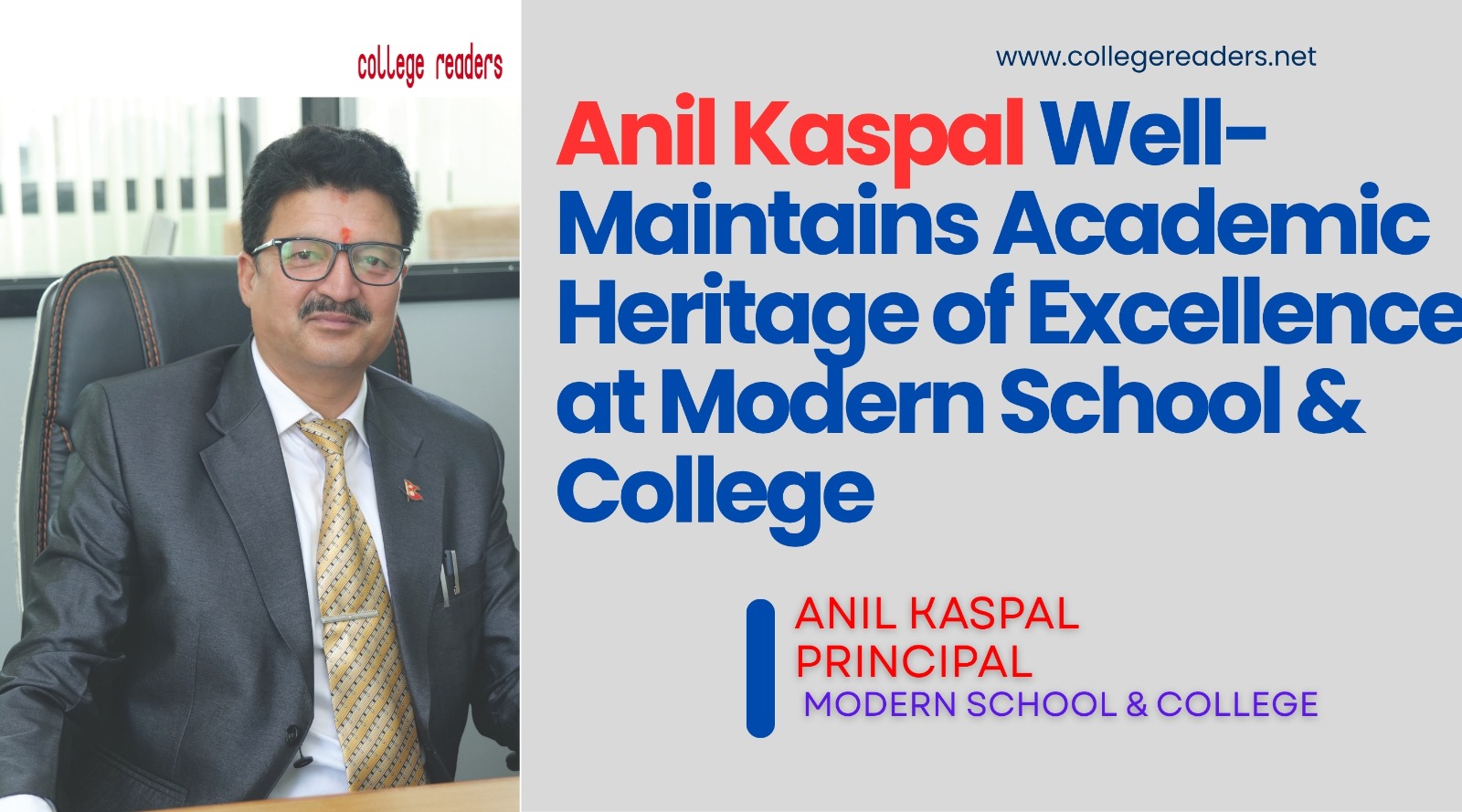
Anil Kaspal, President, HISSAN Bhaktapur
.jpg)
As the President of HISSAN Bhaktapur and Founder of Modern School and College, I believe the 9th National Convention must elect a leadership capable of redefining the narrative of private education in post-movement Nepal. Decades ago, the state invited private investment to bridge the critical gap in quality education. In response, thousands of intellectual entrepreneurs dedicated their lives, personal assets, and expertise to this sector, creating a robust, self-sustaining ecosystem that provides world-class schooling and massive employment opportunities. We are not just business owners; we are "national servers" who have integrated our destiny with the country's academic excellence.
Unfortunately, a damaging narrative has emerged—from grassroots levels to the highest political echelons—unfairly characterizing private education as purely exploitative. The primary task for our new leadership is to dismantle this perception through strategic collaboration with government bodies and political stakeholders. We need a team that can effectively articulate the value of private investment as a public good, ensuring that our "wealth of knowledge" is protected by law rather than being treated with suspicion. The legal framework must recognize us as partners in nation-building, not as commercial entities to be marginalized.
Furthermore, HISSAN must transition into a proactive, 24/7 active organization. Our leadership should empower branch coordinators to maintain a consistent calendar of national and international seminars, ensuring we remain technologically aligned with the global "Gen Z" era. We must also lead a unified front with PABSON to establish a "Zero-Strike" policy. Educational strikes are an archaic tool that only hinders our students' progress. By engaging in proactive dialogue with organizers before disruptions occur, we can safeguard the academic calendar. If we fail to protect our instructional days and embrace technology-friendly education, the future pillars of our nation will inevitably fall behind. We must seize this convention to build a unified, resilient, and respected HISSAN that leads with integrity and vision.
Prakash Shrestha, President, HISSAN Kathmandu Metropolitan
.jpg)
As we gather for the 9th National Convention of HISSAN, we must recognize that our strength in the Kathmandu Metropolitan is achieved through unity. While our central legislation has established a framework for provincial and municipal committees, we have a critical gap to bridge. Currently, the provincial structure remains underdeveloped; the provinces do not yet fully recognize HISSAN, and HISSAN has yet to firmly plant its roots at that level. For our organization to truly advocate for higher education across Nepal, we must transform these dormant structures into robust pillars of institutional strength.
Leadership in this era requires more than just stewardship; it requires the ability to stay one step ahead. Looking back at our two-decade history—nurtured by distinguished figures from Umesh Shrestha onwards—we must acknowledge that while much has been achieved, significant work remains unfinished. We are an organization rich with capable personalities, yet the urgent need of the hour is not just to find a leader, but to find a unifier. We must come together to ensure that the progress we seek is not hindered by fragmentation.
The leadership we choose must possess the intellectual and vocal capacity to navigate complex policy matters. We need a team that can articulate our collective voice with clarity and represent HISSAN institutionally at every level of government. Change is not just inevitable for progress; it is essential. We must embrace new leadership that prioritizes the collective interest over individual ambition, pushing forward advocates who can safeguard our institutional future.
To the delegates arriving from across the nation on Poush 11 and 12, I urge you to remember that we face unprecedented challenges, from regulatory pressures to the persistent crisis of brain drain. Our future depends on choosing leaders who understand both the daily ground realities of our schools and the high-level policy landscapes that shape them. Let us choose wisely and unite to make Nepal’s private education sector more resilient than ever.
Mukunda Ghimire, Vice- Presidential Candidate
.jpg)
HISSAN Central Member & Chairman, Premier Global School/ College, Itahari, Sunsari
As a HISSAN Central Committee member and Founder–Chairman of Premier Global School and College, Itahari, I firmly believe that this convention must prioritize united leadership, institutional coherence, and a responsible transition to strengthen private education in Nepal.
My association with HISSAN spans nearly two decades. I began my journey at the grassroots level as a member of the HISSAN Sunsari District Committee, later serving two terms as district president, and eventually earning the trust of colleagues to represent them at the Central Committee. Throughout these years, I have worked closely with different leadership teams, always valuing inclusion, dialogue, and collective decision-making. I see consensus-building not as a weakness, but as the foundation of sustainable institutional growth.
With over 30 years of experience in private education, I am deeply aware of the challenges we face today—accelerating brain drain, declining public confidence in domestic institutions, and increasing regulatory uncertainty. These complex issues cannot be solved through fragmented voices or short-term measures. They demand a clear strategic vision, cohesive advocacy, and strong institutional reforms, guided by a united and credible HISSAN.
I strongly advocate for a unified national framework that integrates school-level institutions, Plus Two programs, vocational/technical education, and higher education under coordinated policies and quality-assurance systems. Equally important is strengthening coordination among district, provincial, and central bodies, ensuring that local needs are addressed while national standards are upheld. To rebuild trust and retain students within the country, we must invest in teacher development, industry-linked career pathways, modern infrastructure, and digital learning capacity.
As a candidate for the vice-presidential role, I urge this convention to emphasize continuity and responsible leadership transition. Our next leadership must be both visionary and practical—capable of engaging constructively with government and industry advocating private-sector–friendly policies, and mentoring future leaders.
I appeal to all delegates to vote for unity, strategic thinking, and responsible stewardship.
Suman Basnet, Candidate for Secretary
.jpg)
Over the past tenure, I have had the privilege of serving as the Secretary of HISSAN Lalitpur, working actively at the grassroots level to strengthen institutional collaboration and professional capacity. During this period, I have been directly involved in organizing examinations, conducting training programs, coordinating academic initiatives, and expanding a strong network among higher secondary and higher education institutions.
My decision to seek the position of Central Secretary is guided by a clear realization: while HISSAN has played a crucial role in uniting private colleges across the country, its voice has not always received the level of recognition it deserves in government policy circles. There is an urgent need for stronger, more structured policy advocacy that places the concerns and contributions of higher education institutions at the center of national educational reform. I seek to help bridge this gap by representing HISSAN more assertively and effectively at the national level.
My ten years of experience in district-level leadership have instilled in me organizational discipline, administrative clarity, and the ability to translate local successes into broader institutional impact. These experiences prepare me well to contribute meaningfully at the central level.
If entrusted with this responsibility, I am committed to nurturing an impartial, transparent, and forward-looking organizational culture. My priorities will include eliminating bias and favoritism in committee formation, strengthening institutional credibility through merit-based leadership, and advocating for formal recognition of HISSAN in high-level government consultations on education policy. Above all, I believe this role is not a platform for personal advancement, but a responsibility of service to the private education sector.
HISSAN must remain a vibrant, non-partisan force dedicated to educational excellence. I respectfully urge senior colleagues and fellow delegates to support a leadership approach grounded in merit, cooperation, and integrity. Together, we can strengthen our institutions and elevate the quality of education across Nepal. I am fully prepared to shoulder this responsibility and work collaboratively toward our shared vision.

Popular Categories
Trending This Month








 Established in 2065 BS, COLLEGE READERS is a premier national-level educational magazine dedicated to serving the academic and informational needs of school and university students, teachers, educators, and concerned ones in Nepal. The magazine provides current and comprehensive information on various educational opportunities worldwide, aiming to guide school and college-level students in their academic and career journeys. It also highlights essential support services and service providers that play a crucial role in shaping students' career paths in today's competitive world.

- Our Location Putalisadak, Kathmandu
- Send Us Email collegereaders123@gmail.com
- Call Us Now 977 01 4518759
