
Call now
977 01 4518759
Send Message
collegereaders123@gmail.com
Our Location
Putalisadak, Kathmandu

The Rise of +2 Education in Nepal: How Private Institutions Redefined Quality
- College Readers
- 28 Jun 2025
- Views
- Academic Op-ed
Nepal’s secondary education landscape witnessed a pivotal shift with the introduction of the +2 education system in 2046 B.S. (1990 A.D.). Before this reform, students who had completed their School Leaving Certificate (SLC) typically enrolled in the Proficiency Certificate Level (PCL) under Tribhuvan University (TU). However, the PCL model, which was unique to Nepal, increasingly failed to align with global norms, where the two years following matriculation are universally considered part of school education rather than university-level coursework.
The shortcomings of the PCL system became evident over time. Its academic outcomes were generally unsatisfactory, and it struggled to meet the changing educational needs of students. In response, the Government of Nepal implemented a major education policy reform in 2046 B.S., initiating the Higher Secondary Education system. This introduced classes 11 and 12 under the school system, effectively bridging the gap between secondary and higher education.
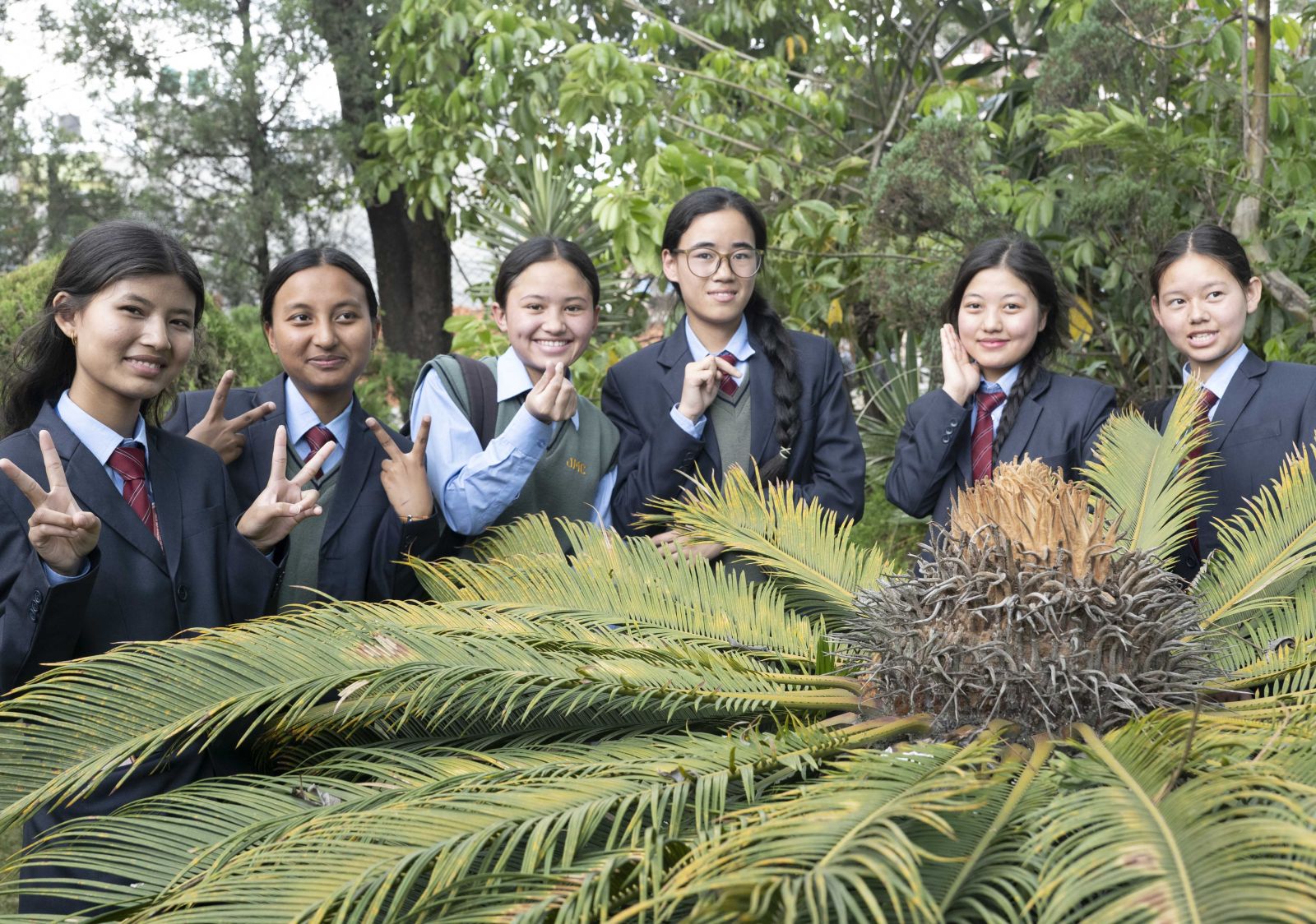
Transitioning from PCL to +2
By 2047 B.S., many educational institutions began offering +2 programs, even as Tribhuvan University continued its PCL courses in parallel. This created a dual-track system that ran concurrently for several years. However, the effectiveness and modernity of the +2 system quickly became apparent. With its improved curriculum, better infrastructure, and updated teaching practices, the +2 model gradually gained public trust.
By 2060 B.S., TU officially phased out the PCL program, fully transitioning students into the +2 structure for higher secondary education. The shift was further strengthened with the introduction of the Secondary Education Examination (SEE) in 2074 B.S., which streamlined the academic pathway and provided a clear progression from SEE to +2 and beyond.
+2: A Gateway to Global Opportunities
The +2 system rapidly proved its value. Students began excelling not only in national academic spheres but also in international arenas. From approximately 2060 B.S. onward, more than 120 students are estimated to have received full scholarships for MBBS programs, and each year, 20–25 students secure scholarships to study in the United States. These numbers reflect the global recognition of Nepal’s +2 graduates and underscore the system’s success in preparing students for the competitive world stage.
College-Like Academic Experience at the School Level
Although class 11 and 12 are technically categorized as secondary education, the environment within +2 institutions often resembles that of a college. Students are offered a greater degree of academic independence and subject choice, marking a distinct shift from the structured nature of earlier school years.
In the Science stream, subjects such as Physics, Chemistry, Biology, and Mathematics are available. The Management stream offers courses like Business Studies, Hotel Management, Computer Science, and Travel and Tourism. Legal studies, previously accessible only at the bachelor’s level, are now part of the +2 curriculum. Likewise, the Humanities and Social Sciences streams have expanded to include more practical, diverse, and career-relevant subjects.
Why the +2 Model Surpassed PCL
The parallel operation of +2 and PCL systems during the transition years provided a unique opportunity for comparison. The advantages of +2 became clear—it adopted modern teaching methodologies, invested in updated infrastructure, and emphasized 21st-century skills. In contrast, the PCL program lagged behind in both innovation and adaptability. Recognizing these gaps, Tribhuvan University phased out the PCL system in favor of the more relevant and forward-looking +2 structure.
Today, Nepal’s +2 education system stands comparable to international standards. It not only meets the academic requirements of universities around the world but also equips students with the skills necessary to thrive globally.
Choosing the Right +2 Institution
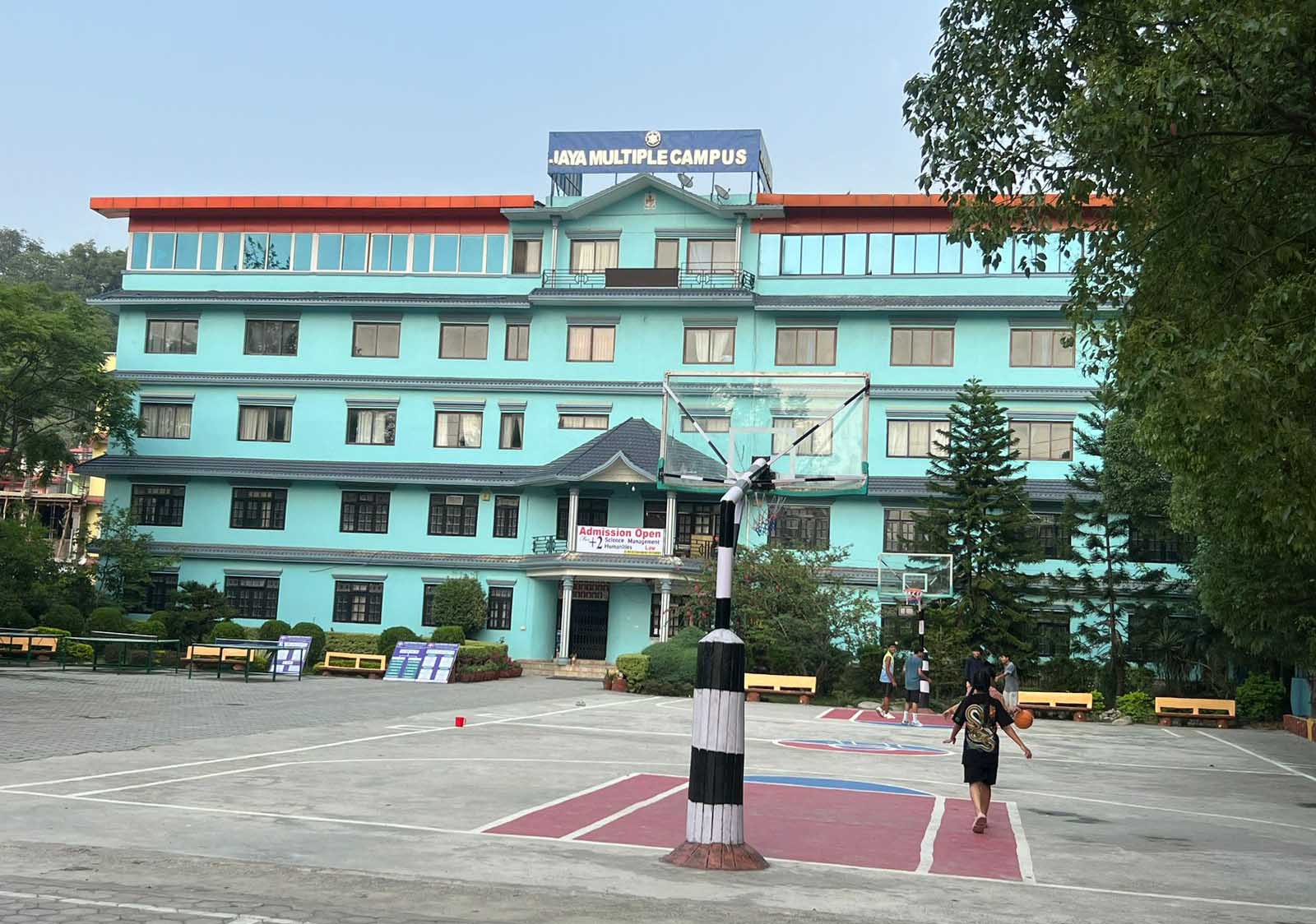
With the expansion of both public and private +2 colleges across the country, students are faced with a crucial decision: selecting the right institution for their higher secondary education. This decision demands careful consideration. Factors such as academic reputation, accessibility, infrastructure, availability of extracurricular activities, lab and classroom facilities, and faculty expertise should play a central role.
Students and parents are advised to go beyond advertisements—visiting campuses, reviewing previous academic performance, and speaking to current or former students. Practical exposure, location (especially in relation to a pollution-free environment), and a transparent fee structure are also important aspects to consider. An informed choice can lay the groundwork for long-term academic and professional success.
Conclusion
The introduction of the +2 education system marked a turning point in Nepal’s educational history. It not only filled the gaps left by the outdated PCL model but also elevated the standard of education to be competitive at a global level. As information technology and international benchmarks continue to shape education worldwide, Nepal’s +2 system remains an essential foundation for student success.
With its strong structure, diverse subject offerings, and proven results, +2 education in Nepal is more than just a transitional phase—it is a launching pad for future leaders, professionals, and global citizens. To maximize its potential, students and parents must make thoughtful, well-researched choices in selecting the right institutions, ensuring that this valuable phase of education leads to even greater achievements.
Popular Categories
Trending This Month








 Established in 2065 BS, COLLEGE READERS is a premier national-level educational magazine dedicated to serving the academic and informational needs of school and university students, teachers, educators, and concerned ones in Nepal. The magazine provides current and comprehensive information on various educational opportunities worldwide, aiming to guide school and college-level students in their academic and career journeys. It also highlights essential support services and service providers that play a crucial role in shaping students' career paths in today's competitive world.

- Our Location Putalisadak, Kathmandu
- Send Us Email collegereaders123@gmail.com
- Call Us Now 977 01 4518759
