
Call now
977 01 4518759
Send Message
collegereaders123@gmail.com
Our Location
Putalisadak, Kathmandu
The Premier Balendra Shah and the Systemic Shift for Educational Reform
- College Readers
- 03 Apr 2026
- Views
- Op-ed
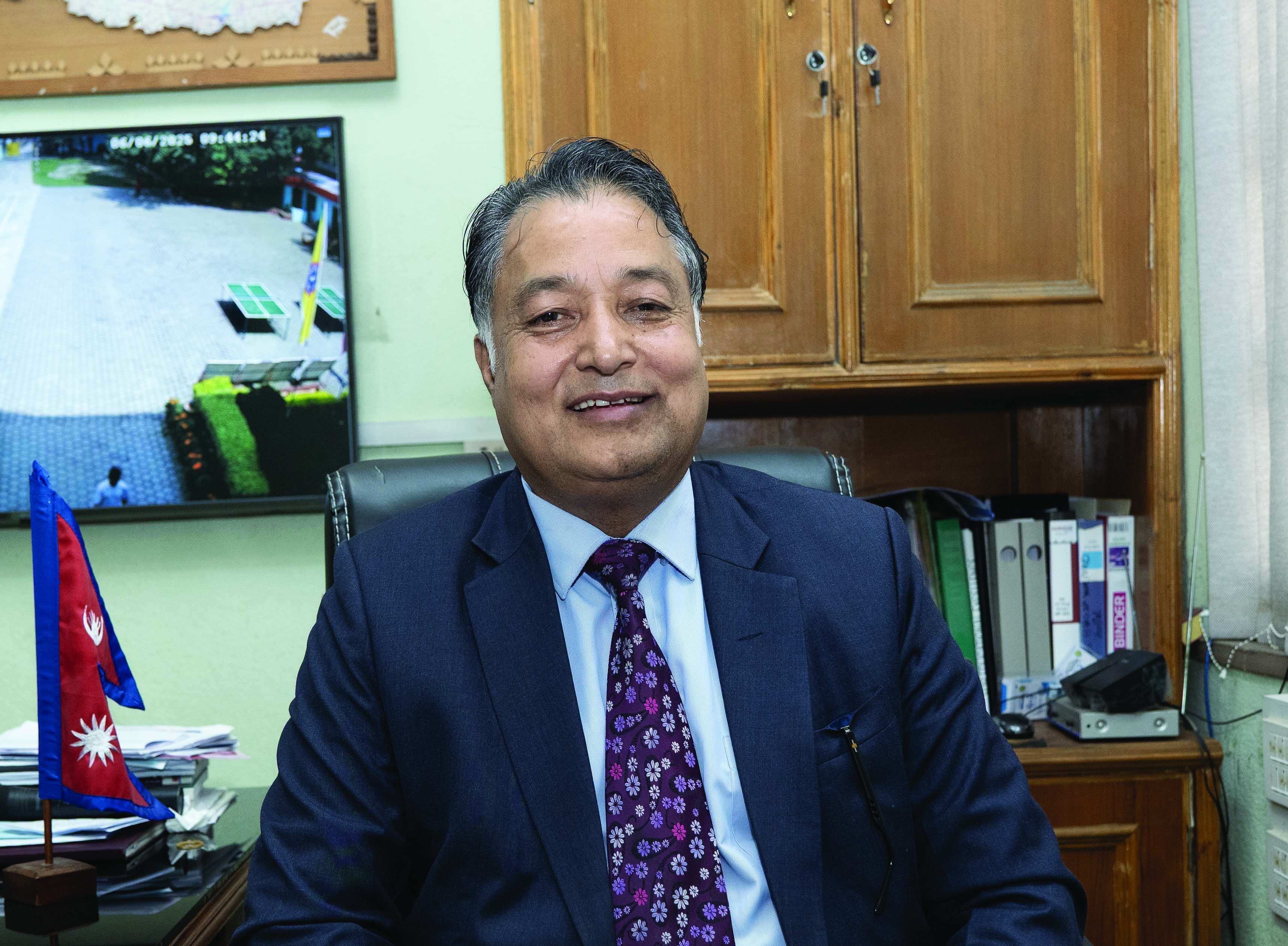
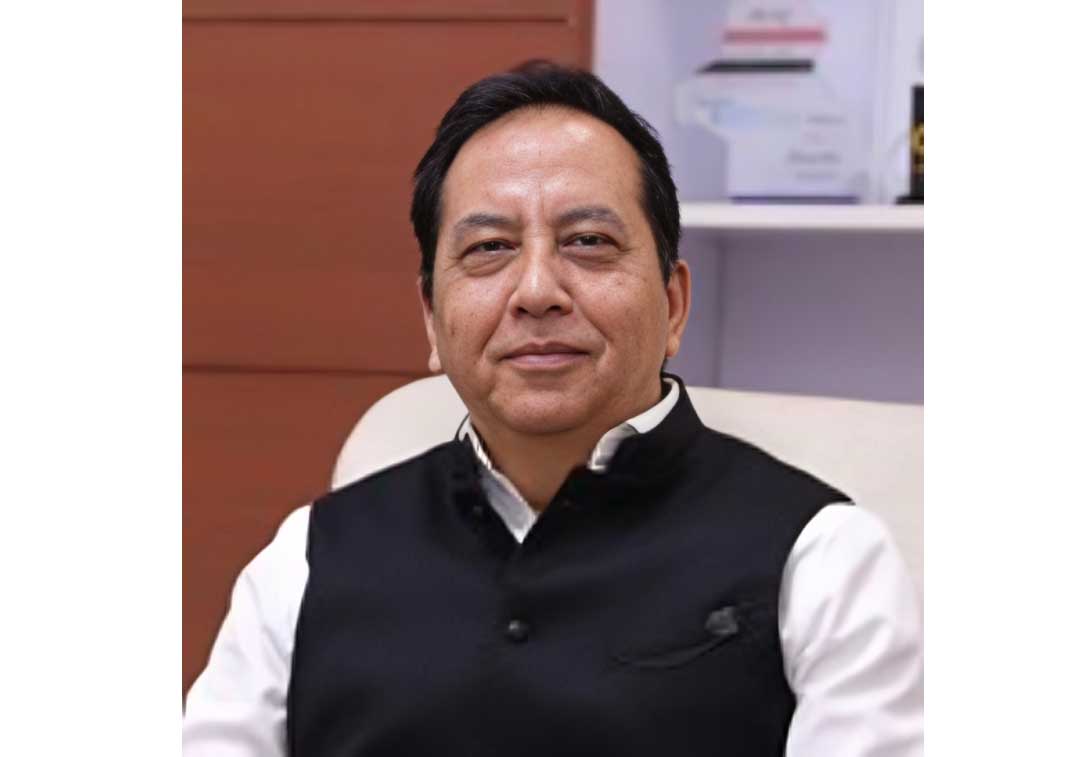
Bhawani Prasad Paudel is a distinguished academician and educational strategist currently serving as the Campus Chief of Jaya Multiple Campus and the Secretary of Central HISSAN. With a profound background in institutional management and policy advocacy, Mr. Paudel has been a vocal proponent of balancing academic rigor with practical, skill-based learning. His leadership roles at both the campus and association levels provide him with a unique vantage point on the intersection of public policy, private investment, and student-centric reform in Nepal’s evolving educational landscape. |
The educational landscape of Nepal is currently undergoing a period of intense scrutiny and rapid evolution. Following Balendra Shah’s appointment as Prime Minister, the Nepali people have begun to observe significant changes in the country’s academic sector. During his tenure as the Mayor of Kathmandu Metropolitan City, several reforms in public schools were widely viewed in a positive light. Now, as Prime Minister, the national discourse has witnessed a surge of initiatives aimed at dismantling stagnant traditions and replacing them with modern, results-oriented frameworks. At this critical juncture, it is essential to evaluate these reforms not through the lens of political populism, but in terms of their alignment with the objective demands of academic excellence and institutional sustainability.
The New Horizon: Balen Government’s Educational Initiatives
The current administration has introduced several bold measures designed to modernize the school experience. One of the most visible changes is the restructuring of the school week, implementing a Saturday-Sunday holiday across both private and public sectors, with school hours extended from 9:00 AM to 5:00 PM. This move aims to align the academic session for Grades 11 and 12 more closely with the broader school education system, ensuring a seamless transition between secondary levels.
Furthermore, the government has taken a firm stand against the politicization of academic spaces. By seeking to abolish long-standing student and teacher unions and replacing them with student councils, the administration is attempting to purge the "party-interest" culture that has historically hampered educational progress. This is a prerequisite for the upcoming University Education Act, which promises to bring a similar level of discipline to higher education.
Perhaps most significantly, there is a shift in "what" is being taught. The focus is moving toward a digitalized pedagogy, with full priority given to skill-based, agricultural, and value-based education. The "Learn and Earn" concept is no longer a distant dream but a core objective, aiming to produce graduates who possess a blend of knowledge, skill, attitude, and technology. To revitalize struggling government schools, the Balen government is now eyeing a Public-Private Partnership (PPP) model—a move that many educators, myself included, believe is long overdue.
The Transformation of Public Schools
For public schools to truly improve, the government must prioritize systematic reform over temporary fixes. The first step is the absolute removal of political interference. We must implement a PPP model where the school Headmaster is selected through a rigorous, competitive process. This individual should be granted full authority and a fixed five-year term, making them both empowered and liable for the school's performance.
Investment in infrastructure is equally critical. A "school" is more than a building; it requires modern classrooms, science labs, e-libraries, and functional playgrounds. However, infrastructure without "intellectual capital" is useless. We must provide teachers with training that reflects modern trends and educational psychology, ensuring that there are enough subject-wise teachers in every institution. Only when textbooks are available on time and education up to Grade XII is made completely free can we claim to have a responsible public education system.
The Private Sector: A Partner in Nation Building
While the government focuses on public reform, it must not create a climate of fear within the private sector. Private education in Nepal has been the backbone of quality for decades. The role of the government should be one of "guardianship"—monitoring and supervision should be constructive, not controlled by force.
To keep capital and students within Nepal, the government must create a friendly environment for investment. This includes ensuring the security of investment, financial policies that provide banking support, and a guarantee of institutional certainty. Private school teachers should also be invited into the fold of government-sponsored seminars and trainings. When the government acts as a guardian to both sectors, the entire nation wins.
The SEE Result: Quality vs. Spurious Heroism
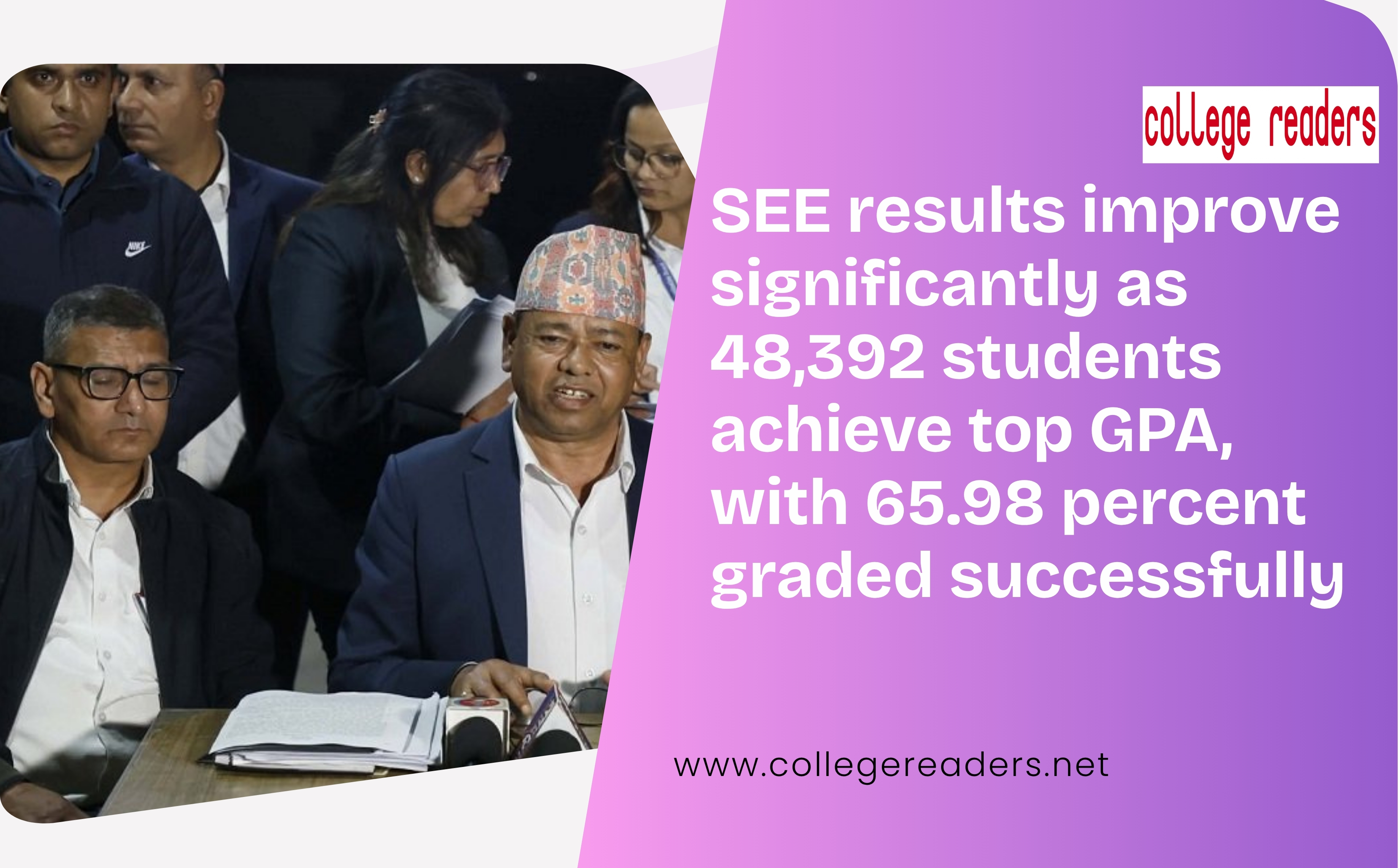
There has been significant discussion regarding the "quick result" mandate for the Secondary Education Examination (SEE). While the intention to reduce student anxiety is noble, the push to publish results within one month is, frankly, a dangerous precedent.
In a system as vast as ours, one month is insufficient to ensure an errorless, quality-checked result. Such haste leads to "Chalkhel" (mismanagement) and improper checking by undertrained examiners. If the making system is not provided with information on time, confusion ensues, and the students' futures are left in the dark. This type of "Stunt Baji" (theatricality) should not come at the cost of academic fairness. Even in India, a minimum of one month is allocated for results to ensure accuracy. It is my firm belief that SEE should be managed province-wise, while Grade 12 (+2) should remain a national-level examination to maintain a standard of excellence.
The Path Forward: Choice and Partnership
In conclusion, the improvement of Nepal’s education system is contingent upon the harmonious coexistence of private and public institutions. We cannot elevate one by suppressing the other. The "Study in Nepal" environment can only be realized if we embrace the PPP model and a private-friendly atmosphere.
Parents deserve a choice in education. If the government fails to provide a diverse, high-quality, and secure educational environment, those parents who are able to pay will simply take their children—and their capital—to India or abroad. We must build a system where the "choice" to study in Nepal is based on the quality of our schools, not the lack of other options. Through collaboration, de-politicization, and a focus on value-based technology, we can finally offer our students the future they deserve.
Popular Categories
Trending This Month








 Established in 2065 BS, COLLEGE READERS is a premier national-level educational magazine dedicated to serving the academic and informational needs of school and university students, teachers, educators, and concerned ones in Nepal. The magazine provides current and comprehensive information on various educational opportunities worldwide, aiming to guide school and college-level students in their academic and career journeys. It also highlights essential support services and service providers that play a crucial role in shaping students' career paths in today's competitive world.

- Our Location Putalisadak, Kathmandu
- Send Us Email collegereaders123@gmail.com
- Call Us Now 977 01 4518759
