
Call now
977 01 4518759
Send Message
collegereaders123@gmail.com
Our Location
Putalisadak, Kathmandu
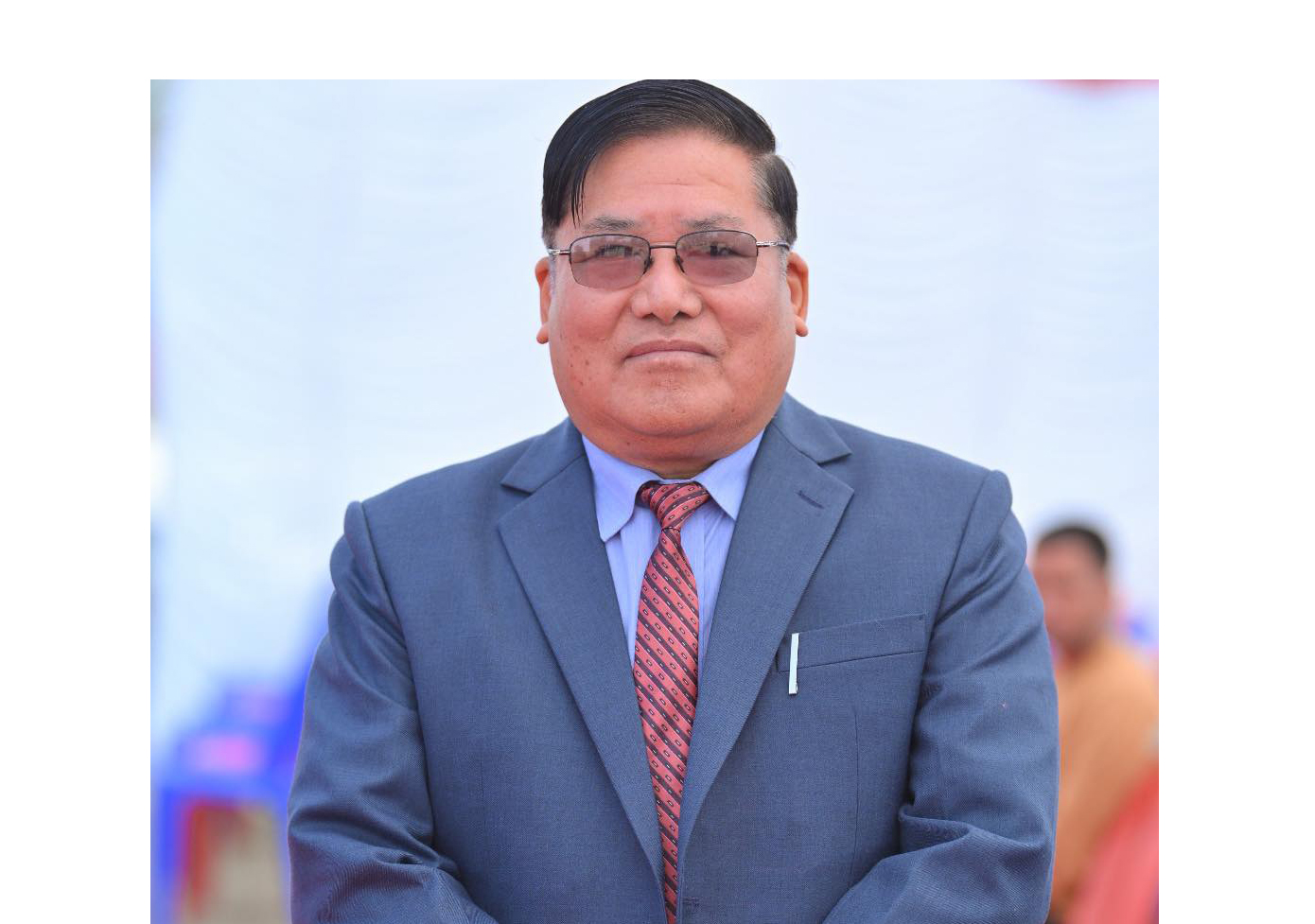
Dr. Lakpa Sherpa
Principal
Laboratory School
Shaping Complete Human Beings Through Holistic Education
- College Readers
- 02 Apr 2026
- Views
- Interviews
In an age where education is rapidly transforming under the influence of technology, globalization, and changing societal expectations, the role of schools has expanded far beyond academic instruction. Today, education must cultivate not only knowledge but also values, emotional intelligence, and global awareness. Dr. Lakpa Sherpa, Principal of Laboratory School, Kathmandu, represents a thoughtful and philosophical voice in this evolving landscape.
With a strong foundation in educational leadership and a deep appreciation for holistic learning, Dr. Sherpa emphasizes that education is a shared responsibility among parents, teachers, and schools. Inspired by progressive educational thinkers and grounded in practical experience, he advocates for nurturing students into “complete human beings” who can think critically, act ethically, and contribute meaningfully to society.
In this engaging conversation with College Readers, Dr. Sherpa shares his insights on modern education, teacher responsibility, parental involvement, and the future direction of learning in Nepal.
How can we ensure the overall development of students in today’s context?
The development of students cannot be achieved by a single institution alone, because education is a collective responsibility that requires coordination among multiple stakeholders. I often describe this as a “tripolar relationship,” where parents, teachers, and schools must work together in harmony. Parents play a crucial role in shaping the early habits and emotional stability of children, and they must provide a nurturing environment at home with proper care, balanced nutrition, discipline, and cultural values. At the same time, schools must create structured learning environments where students are guided academically as well as socially. Teachers, in particular, must act as a bridge between home and school by understanding each student’s needs, emotions, and learning patterns. When communication among these three pillars is strong and continuous, the overall development of the child becomes more effective and meaningful.
What qualities should a teacher possess in modern education?
A teacher in today’s context must go beyond delivering subject content and must embrace a more dynamic and human-centered role in the classroom. A teacher should first possess credibility so that students and parents trust their capability and commitment. At the same time, empathy is equally important because students need emotional support and understanding just as much as they need academic guidance. A teacher must be able to see the world from a student’s perspective and respond with patience and care. Discipline and logical thinking are also essential qualities, as they help in structuring lessons and guiding students toward clear understanding. Moreover, teachers must be enthusiastic and approachable so that students feel comfortable expressing themselves and asking questions. When a teacher combines knowledge with empathy and discipline, the learning experience becomes inspiring rather than restrictive.
What role does the school environment play in shaping students?
The environment of a school has a profound influence on how students think, behave, and learn, because physical space and emotional atmosphere directly affect their mindset. A well-designed school should be open, spacious, and well-ventilated so that students feel comfortable and energized. It should also include greenery and natural elements that create a calm and inspiring learning atmosphere. According to educational philosophy, particularly the ideas of John Dewey, such environments expand a student’s thinking horizon and encourage creativity. When students are placed in positive surroundings, they naturally develop broader perspectives and greater confidence. Therefore, schools must pay equal attention to infrastructure, emotional safety, and intellectual stimulation, as all these factors contribute to a child’s overall growth.
How can schools go beyond the curriculum to enhance student learning?
Education should never be limited to textbooks or prescribed syllabi, because true learning begins when students are encouraged to explore beyond what is formally taught. Schools must integrate local context into learning so that students understand their own culture, society, and environment. At the same time, they should be exposed to global ideas that broaden their understanding of the world. Teachers should design activities that promote critical thinking, analysis, and creativity rather than simple memorization. Students must be encouraged to question, explore, and apply their knowledge in real-life situations. When education moves beyond the curriculum, it becomes more meaningful and helps students develop higher-order thinking skills that are essential in today’s world.
What is your vision of a “complete human being” in education?
A complete human being is someone who is balanced in all aspects of life and is not limited to academic excellence alone. Such a person possesses emotional stability, social awareness, ethical values, and intellectual capability. Education must aim to develop these qualities simultaneously so that students can become responsible members of society. A student who only excels in examinations but lacks empathy or social responsibility cannot be considered fully educated. Therefore, schools must focus on character building, cultural understanding, and moral development alongside academic learning. When all these dimensions are addressed together, we can truly prepare students for life rather than just for exams.
What advice would you give to students in the new academic session?
As a new academic session begins, students should approach learning with enthusiasm, curiosity, and a sense of purpose. They should actively participate in both academic and co-curricular activities because learning is not confined to the classroom alone. Students must develop the habit of continuous learning and should always strive to improve themselves. It is also important for them to understand their own country, including its geography, culture, and society, while also gaining awareness of global issues. By combining local understanding with global perspective, students can become more competent and confident individuals. They should also learn to apply their knowledge in practical situations so that education becomes meaningful and relevant to their lives.
What message would you like to give to parents?
Parents must recognize that they are the first and most influential educators in a child’s life, and their involvement is essential for the child’s success. They should create a supportive environment at home where learning is encouraged and valued. Parents must regularly communicate with teachers and stay informed about their child’s progress and challenges. Visiting the school, interacting with teachers, and participating in school activities can strengthen the connection between home and school. At the same time, parents should avoid imposing unnecessary pressure on children and instead focus on nurturing their natural abilities and interests. When parents become active participants in education, the overall development of the child becomes more effective.
How can schools, parents, and teachers work together more effectively?
Effective collaboration among schools, parents, and teachers requires open communication, mutual respect, and shared responsibility. Schools must create systems that allow regular interaction and feedback among all stakeholders. Teachers should be receptive to parents’ concerns and should work together to address the needs of students. Parents, on the other hand, must trust the school and support its efforts while also providing valuable insights about their children. When responsibility is shared rather than shifted, education becomes more effective and meaningful. This collaborative approach ensures that students receive consistent guidance both at home and in school.

Popular Categories
Trending This Month








 Established in 2065 BS, COLLEGE READERS is a premier national-level educational magazine dedicated to serving the academic and informational needs of school and university students, teachers, educators, and concerned ones in Nepal. The magazine provides current and comprehensive information on various educational opportunities worldwide, aiming to guide school and college-level students in their academic and career journeys. It also highlights essential support services and service providers that play a crucial role in shaping students' career paths in today's competitive world.

- Our Location Putalisadak, Kathmandu
- Send Us Email collegereaders123@gmail.com
- Call Us Now 977 01 4518759
