
Call now
977 01 4518759
Send Message
collegereaders123@gmail.com
Our Location
Putalisadak, Kathmandu
Seven Lead Community Campuses Form National Network to Advance Quality Higher Education
- College Readers
- 13 Jul 2026
- Views
- Events
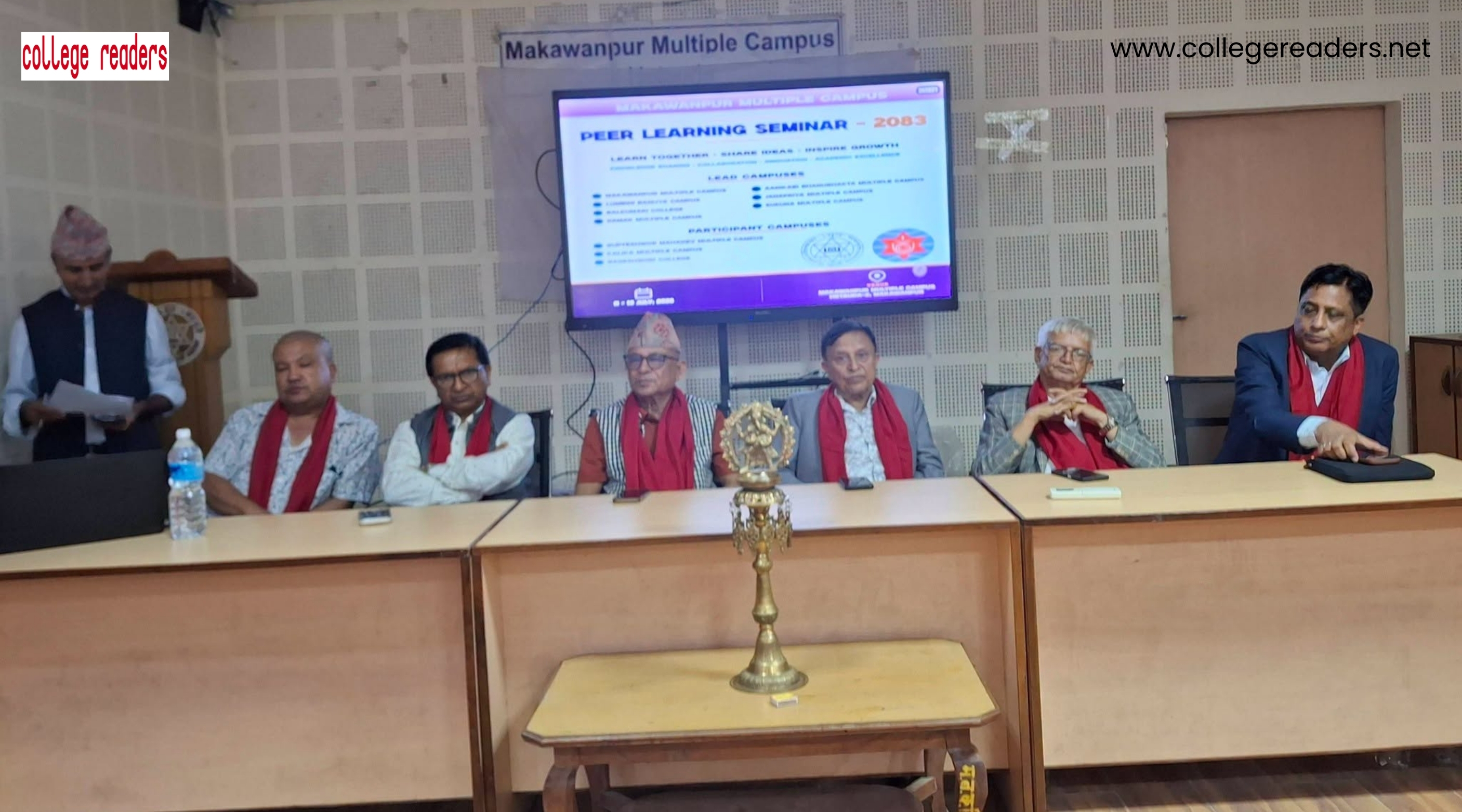
Hetauda, Asar 28 — Seven leading community campuses have formed a national network aimed at strengthening academic collaboration, improving the quality of higher education and contributing to policy development in Nepal.
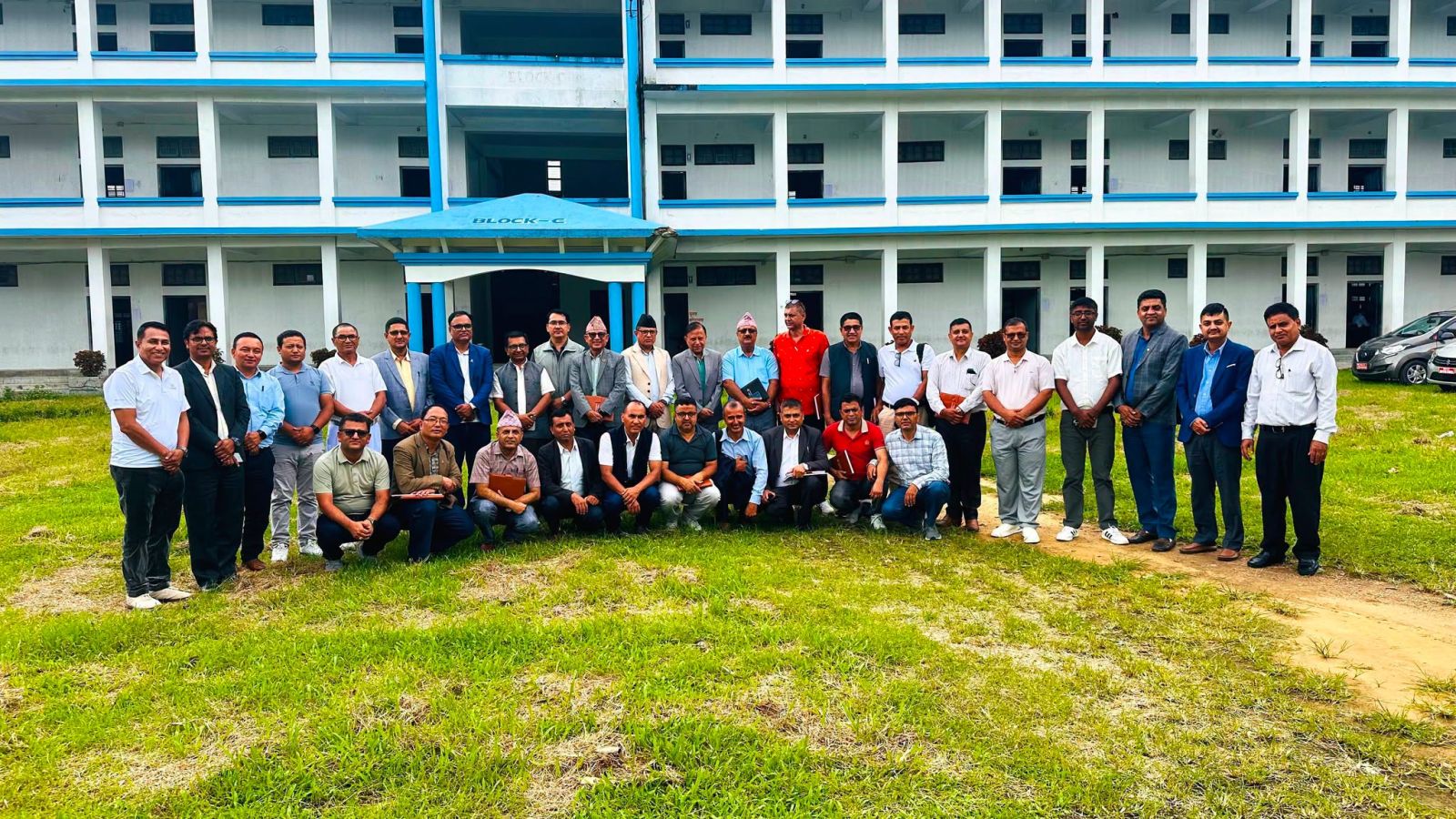
The network was established during a two-day Peer Learning Seminar organized by Makawanpur Multiple Campus in Hetauda. The participating institutions agreed to work collectively on quality enhancement, student-centred teaching, institutional innovation, sustainable development and greater academic autonomy.
Seven QAA-accredited community campuses from four provinces have established Nepal’s first Lead Community Campuses Network to promote academic quality, cooperation and policy engagement.
The University Grants Commission, Sanothimi, Bhaktapur, designated the seven institutions as Lead Campuses for the fiscal year 2082/83 B.S. All seven have received Quality Assurance and Accreditation certification and operate across Bagmati, Gandaki, Lumbini and Koshi provinces.
The Lead Campuses are Balkumari College, Narayangadh, Chitwan, and Makawanpur Multiple Campus, Hetauda, from Bagmati Province; Aadikavi Bhanubhakta Campus, Damauli, Tanahun, and Janapriya Multiple Campus, Pokhara, from Gandaki Province; Lumbini Banijya Campus, Rupandehi, from Lumbini Province; and Damak Multiple Campus, Jhapa, and Sukuna Multiple Campus, Morang, from Koshi Province.
The two-day Peer Learning Seminar enabled participating institutions to exchange best practices, examine institutional challenges and develop a roadmap for sustainable campus development.
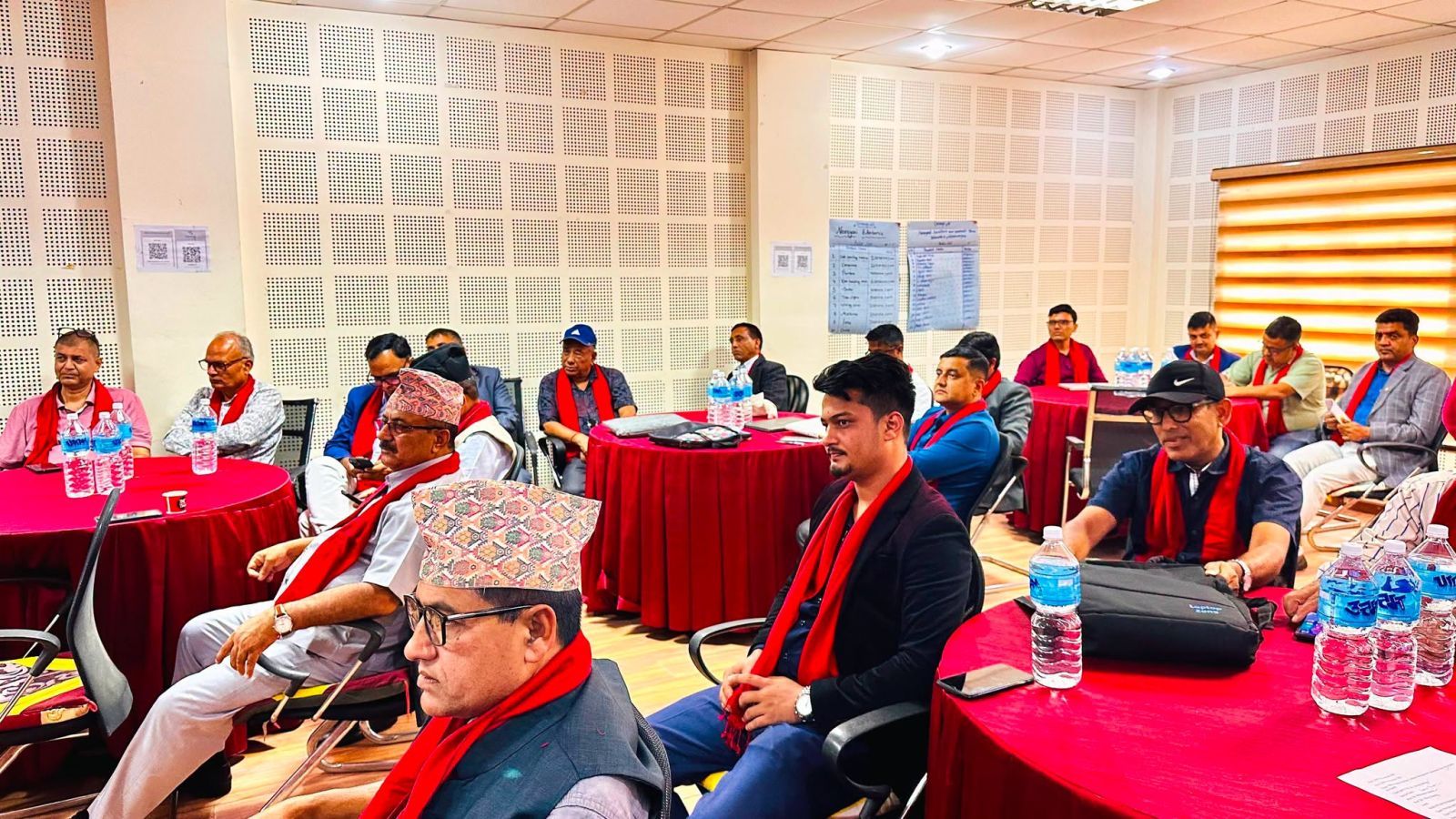
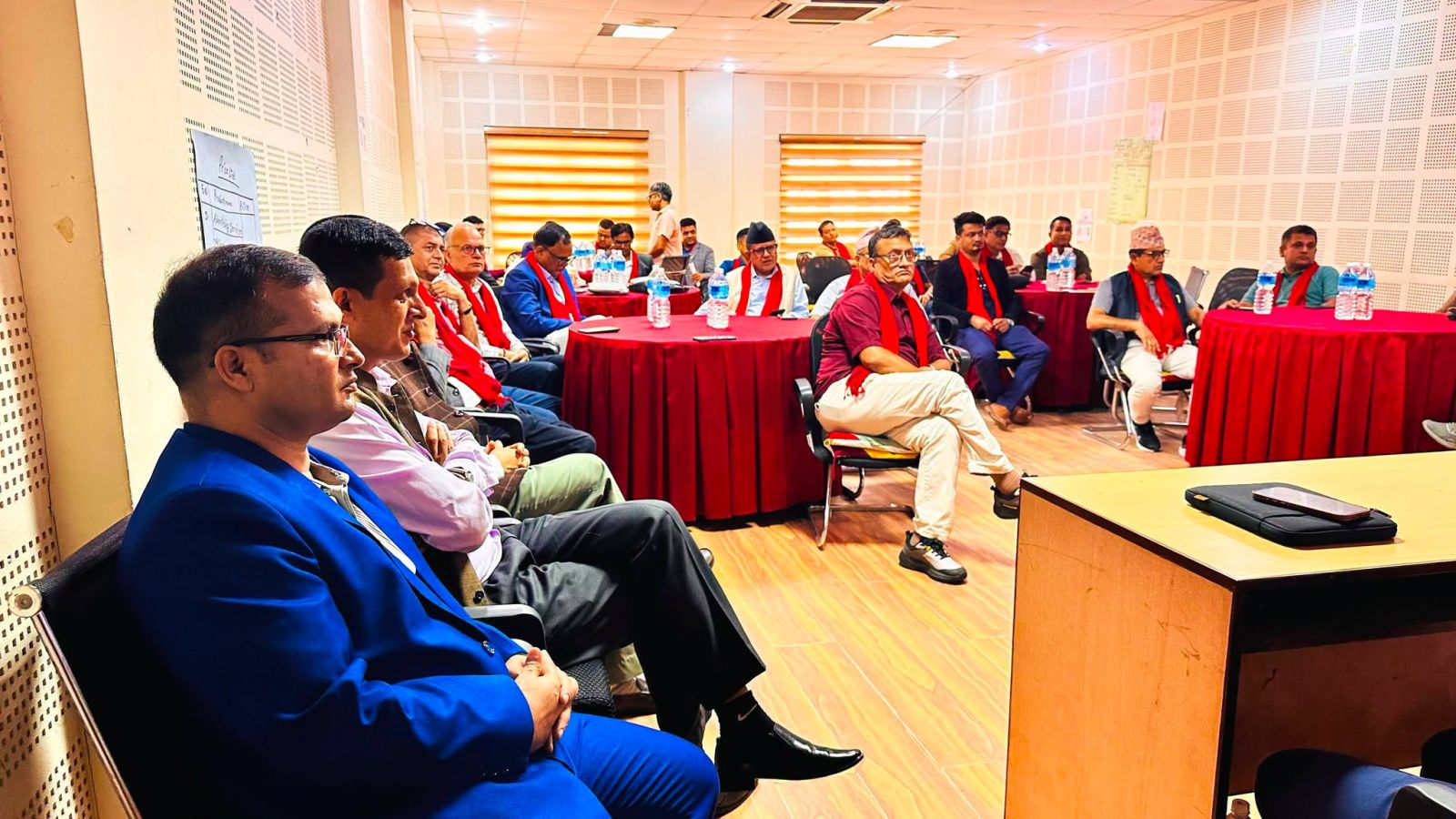
The seminar brought together management committee chairpersons, campus chiefs, Internal Quality Assurance Committee coordinators and other institutional representatives. Three observer institutions—Gupteshwor Mahadev Multiple Campus, Kalika Multiple Campus and Bageshwori College—also participated. Altogether, around 35 representatives attended the program.
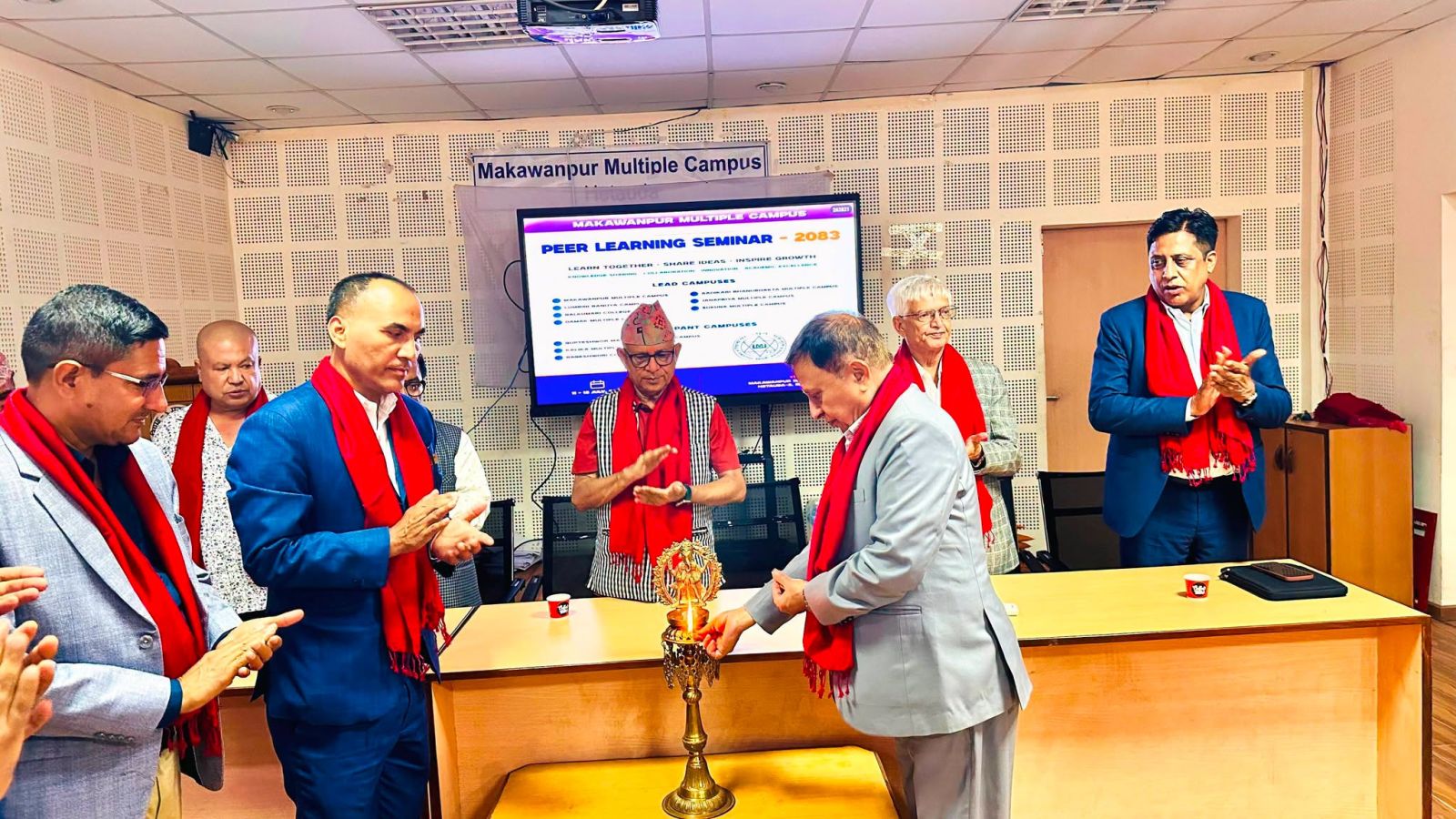
Prof. Dr. Dev Raj Adhikari, former Chairperson of the University Grants Commission, inaugurated the seminar. The opening session was chaired by Hon. Ananta Prasad Paudel, Chairperson of the Makawanpur Multiple Campus Management Committee and a former member of the Constituent Assembly.
Former Chief Minister of Bagmati Province and former campus management committee chairperson Dormani Paudel; Prof. Dr. Mahananda Chalise, Acting Registrar of Tribhuvan University and Dean of the Faculty of Management; and Prof. Dr. Dilli Raj Sharma, former Dean of the Faculty of Management, addressed the inaugural session.
Speaking at the program, Prof. Dr. Adhikari encouraged the campuses to develop an effective steering mechanism for the newly established network. He said the platform could jointly organize conferences, seminars, academic competitions and terminal examinations while facilitating the exchange of expertise and institutional resources.
The seminar focused on peer learning as an important approach to strengthening community-based higher education. Representatives of the seven campuses presented working papers outlining their institutional profiles, financial conditions, physical infrastructure, academic programs, successful practices and major operational challenges.
The presentations also covered sustainability plans and future development priorities. Through comparative discussion, participants identified opportunities to adopt successful academic, administrative and quality-assurance practices developed by other institutions.
A seven-member ad hoc executive committee and an advisory committee were formed to institutionalize the network and coordinate future academic and organizational initiatives.
On the second day, the Campus Chief of Aadikavi Bhanubhakta Campus presented a roadmap for the establishment, operation and gradual institutionalization of the network.
Prof. Dr. Dilli Raj Sharma delivered the principal working paper on peer learning, sustainable campus development, the relevance of inter-campus cooperation, an appropriate organizational structure and the possible challenges facing the network. He emphasized that regular interaction among campuses could support innovation, effective governance and long-term institutional resilience.
Following the discussions, a seven-member ad hoc executive committee was constituted under the leadership of Prof. Dr. Yam Bahadur Silwal, Campus Chief of Makawanpur Multiple Campus. The Campus Chief of Aadikavi Bhanubhakta Campus was appointed member-secretary, while the campus chiefs of the remaining Lead Campuses were included as members.
A seven-member advisory committee was also formed under the chairmanship of Ananta Prasad Paudel. The management committee chairpersons of the seven Lead Campuses were selected as members of the advisory body.
The executive committee will coordinate the network’s regular activities, while the advisory committee will provide policy direction and institutional guidance. The participating campuses agreed to formalize the network in the near future and create a sustainable framework for continued cooperation.
Representatives from Makawanpur Multiple Campus included Management Committee Vice-Chairperson Ashok Shakya; committee members Badri Prasad Lamsal, Dr. Krishna Prasad Dhital and Bishnu Prasad Dahal; Campus Chief Prof. Dr. Yam Bahadur Silwal; former Campus Chief Prof. Dr. Shankar Prasad Upadhyaya; Assistant Campus Chiefs Sangam Chaulagain, Uttam Aryal and Dinesh Bidari; and Free Students’ Union Chairperson Prasiddha Regmi.
Balkumari College was represented by Management Committee Chairperson Pramod Kumar Shrestha and Campus Chief Kul Chandra Pandit. Professor Punaram Ghimire, Coordinator of its Self-Evaluation Report Writing Team, represented Lumbini Banijya Campus.
Participants from Aadikavi Bhanubhakta Campus included Management Committee Chairperson Kesh Bahadur Sunar, Campus Chief Mahaprasad Hadkhale and Internal Quality Assurance Committee Coordinator and Assistant Campus Chief Bimal Giri.
Sukuna Multiple Campus was represented by Management Committee Chairperson Surendra Bahadur Thapa, Campus Chief Arjun Adhikari and Self-Evaluation Report Writing Committee Coordinator Navaraj Koirala. Damak Multiple Campus was represented by Management Committee Chairperson Dhruva Raj Bhandari, Campus Chief Yagya Raj Giri and QAA Focal Person Ratna Bahadur Thapa.
Janapriya Multiple Campus representatives included Management Committee Chairperson Rajendra Pahari, Campus Chief Krishna Babu Baral and Internal Quality Assurance Committee Coordinator Yam Kumar Baral.
From the observer institutions, Gupteshwor Mahadev Multiple Campus was represented by Campus Chief Dharma Raj Baral and Assistant Campus Chief Raj Kumar Subedi. Kalika Multiple Campus was represented by Campus Chief Birenji Gautam and Internal Quality Assurance Committee Coordinator Hukum Raj Thapa. Bageshwori College representatives included Management Committee Member Gyan Sagar Prajapati, Principal Dhan Kumar Shrestha and Internal Quality Assurance Committee Member Pravan Prajapati.
The campuses agreed to direct their future cooperation towards higher education policy formulation, quality improvement, student-focused learning and stronger institutional governance. They also expressed their commitment to exploring pathways towards greater academic autonomy and degree-awarding status in accordance with national policies and legal provisions.
The network is expected to become a common platform through which community campuses can jointly address shared challenges, strengthen public confidence and make a more coordinated contribution to Nepal’s higher education system.

Popular Categories
Trending This Month








 Established in 2065 BS, COLLEGE READERS is a premier national-level educational magazine dedicated to serving the academic and informational needs of school and university students, teachers, educators, and concerned ones in Nepal. The magazine provides current and comprehensive information on various educational opportunities worldwide, aiming to guide school and college-level students in their academic and career journeys. It also highlights essential support services and service providers that play a crucial role in shaping students' career paths in today's competitive world.

- Our Location Putalisadak, Kathmandu
- Send Us Email collegereaders123@gmail.com
- Call Us Now 977 01 4518759
