
Call now
977 01 4518759
Send Message
collegereaders123@gmail.com
Our Location
Putalisadak, Kathmandu
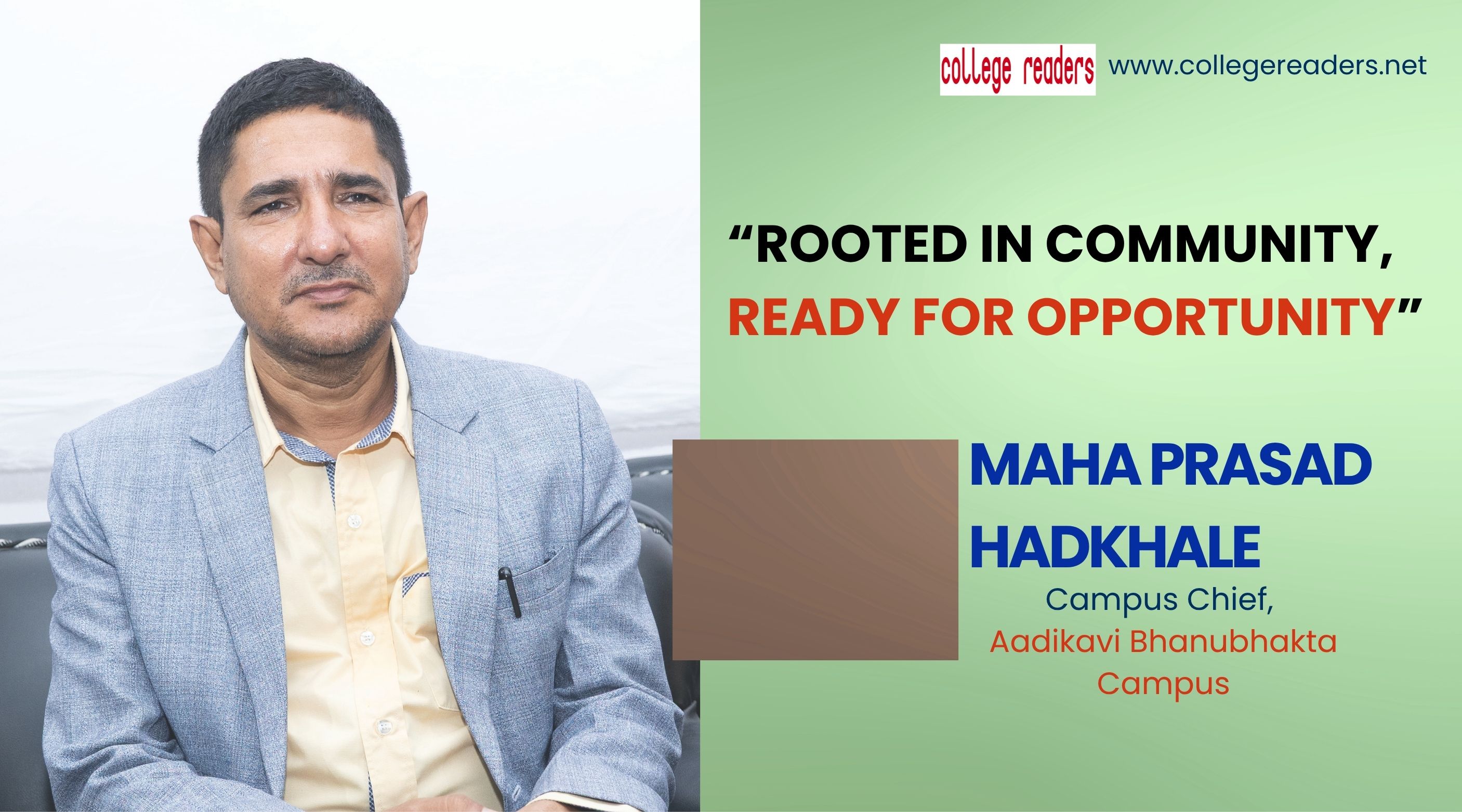
ROOTED IN COMMUNITY, READY FOR OPPORTUNITY
- College Readers
- 30 Jul 2026
- Views
- Op-ed
How Aadikavi Bhanubhakta Campus is widening access, strengthening employability and making a case for building a future in Nepal
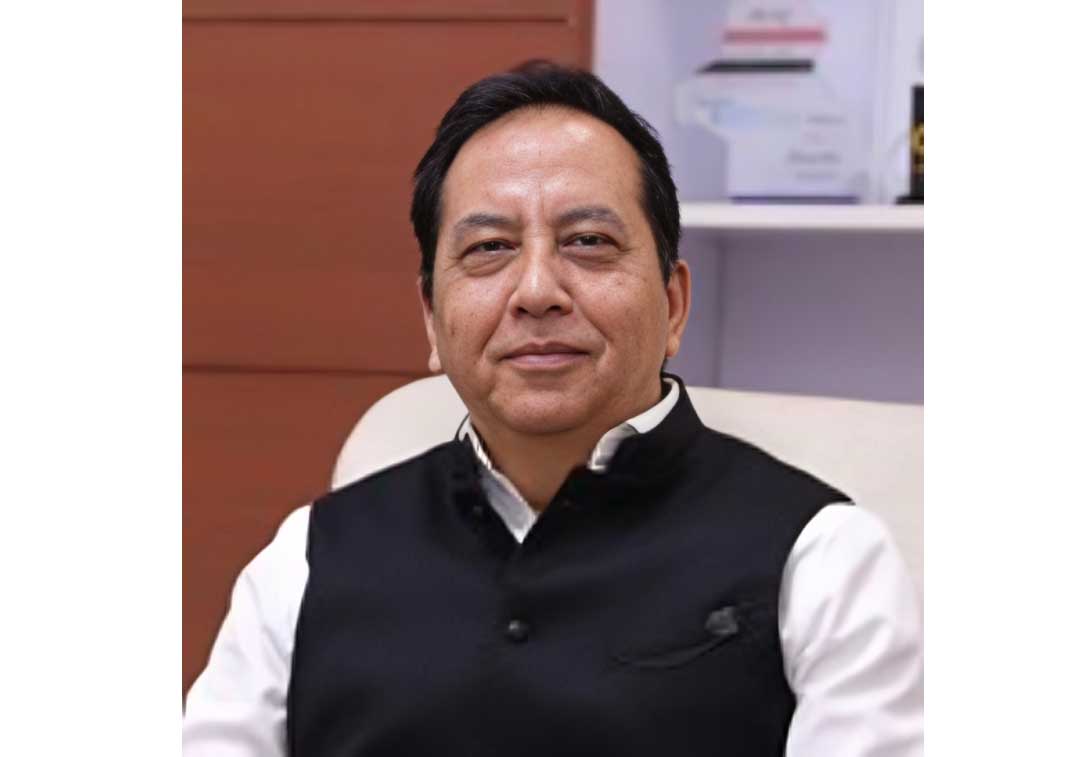
-Maha Prasad Hadkhale | Campus Chief | Aadikavi Bhanubhakta Campus, Damauli
In Nepal’s changing higher education landscape, institutions are judged by the people they serve and the opportunities they create. Aadikavi Bhanubhakta Campus has developed around this responsibility. Established in 2044 BS, it has earned Quality Assurance and Accreditation status as a community campus.
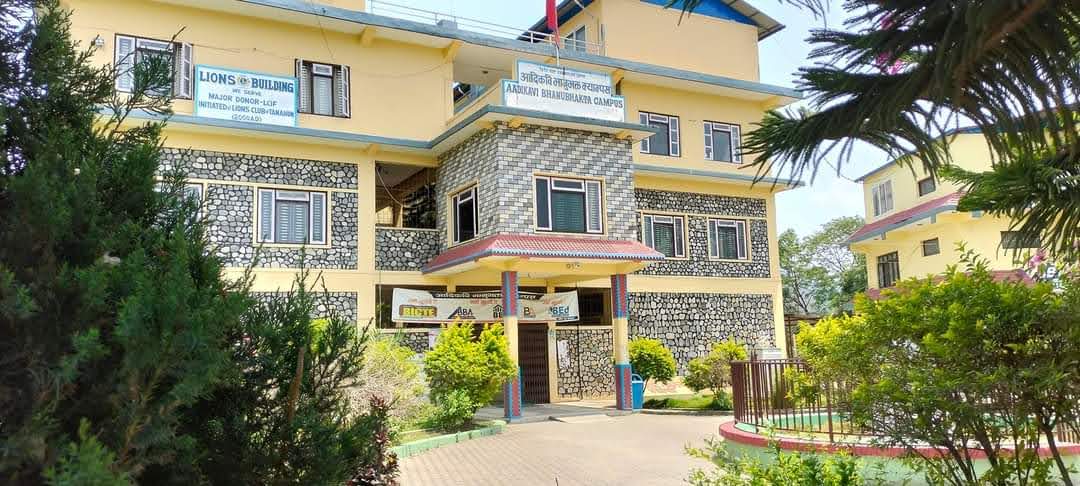
Its strongest foundation is community participation. Approximately 3,500 people belong to the campus general assembly, creating a broad base of local support and accountability. Members contribute between NPR 2,000 and NPR 15,000. Families, educators, social organisations, businesses and local leaders share responsibility for its direction and development. This structure has turned the institution into a public project shaped by regional aspirations.
Community ownership has encouraged partnerships. The campus works with feeder schools, neighbouring colleges, community organisations, industries and business associations. Its network reaches across Tanahun, Lamjung and Gorkha, as well as Rupa Rural Municipality in Kaski. These relationships help the campus understand regional educational needs, attract students who might otherwise be excluded and connect academic programmes with local economic realities.
The composition of the student body shows why this role matters. Around 60 per cent of students come from Indigenous communities, approximately 20 per cent are Dalits and nearly 79 per cent come from rural areas. These figures place groups that have often faced limited access to higher education at the centre of campus life. The institution is therefore not simply expanding enrolment; it is widening participation among communities for whom distance, cost and social disadvantage can become serious barriers.
“Nearly 79 per cent of our students come from rural areas. We are taking higher education to the communities that need it most.”
The scale of demand is significant. Campus records cited in the original account place higher education enrolment at about 2,600, with another 1,000 to 1,100 students studying in Grades 11 and 12. Such numbers demonstrate the need for affordable, credible education outside major cities. They also indicate the confidence that surrounding communities have placed in the campus as a pathway to further study, employment and personal advancement.
Access must, however, be supported by academic quality. The campus reports an overall pass rate of around 80 per cent. In the most recent annual examinations discussed, 79 per cent of students passed, while semester programmes at master’s level achieved a 100 per cent pass rate. These results are important, but the institution’s responsibility does not end when certificates are awarded. Through annual tracer studies, it follows graduates to understand where they work, whether they continue their education and what additional skills future students may require.
Those studies indicate that approximately 81 per cent of graduates have secured employment. Others have pursued further study, entrepreneurship or business. The campus also recognises alumni who have found jobs or established enterprises. Celebrating these outcomes gives current students visible examples of progress and reinforces a principle: higher education should lead to capability, confidence and meaningful participation in society.
This concern has become more urgent as increasing numbers of Nepali students leave the country after Grade 12. Many are attracted not only by overseas qualifications but also by the possibility of working while studying. Retaining young people therefore requires more than emotional appeals to remain at home. Colleges must demonstrate that students can gain practical abilities, professional exposure and realistic pathways to employment within Nepal.
Aadikavi Bhanubhakta Campus has responded by strengthening supplementary practical courses and soft skills training. Each academic department prepares an annual work calendar and conducts at least two skill development programmes. Computer competence is compulsory, and students are expected to learn two practical skills every year. Students contribute NPR 1,000 towards each supplementary practical course, while the campus provides institutional support. This shared investment encourages participation while keeping training affordable.
The programmes are designed around workplace needs. Recent courses have included website development and digital marketing, alongside communication, entrepreneurship and career preparation. The campus conducted 46 soft skills programmes last year and plans a similar number this year. Such activities help students present ideas, use technology, work in teams and understand professional expectations. They also reduce the gap between university syllabuses and the changing demands of employers.
Partnerships with industries, commercial organisations and employers in Tanahun, Gorkha, Lamjung and Pokhara create another bridge to work. Through formal agreements, students receive internship opportunities and employers meet potential recruits. Major employment providers are invited to explain the competencies they need, allowing students to hear directly from the market and prepare accordingly.
The campus leadership nevertheless argues that qualified community institutions need greater freedom to introduce relevant programmes. Restrictions on additional affiliations and subject approvals can prevent capable campuses from offering courses that match student interest and labour market demand. When preferred programmes are unavailable locally, students may move to private colleges, other universities or institutions abroad. A transparent approval system based on quality, infrastructure, faculty capacity and regional need would widen choice while preserving standards.
Community campuses have changed considerably. Many now possess experienced teachers, improved facilities, established quality systems and strong local networks. Allowing proven institutions to develop selected programmes could distribute opportunity beyond large cities and reduce migration driven solely by limited academic choice.
For students completing Grade 12, the message is clear. Remaining in Nepal should not mean lowering ambition. It should mean using credible local institutions, practical training, internships and community connections to build a future differently. Aadikavi Bhanubhakta Campus demonstrates how public participation, inclusion, measurable outcomes and employability can reinforce one another.
“The effort students are prepared to invest abroad can create equally meaningful opportunities here at home.”
Its experience is larger than one institution. Nepal’s effort to retain young people will succeed only when education is accessible, trustworthy and connected to opportunity. Community campuses can provide that connection because they understand local realities and remain accountable to the people around them. When community ownership is matched by academic quality and practical preparation, higher education close to home can become not a second choice, but a confident first step towards employment, enterprise and national development.
.jpg)

Popular Categories
Trending This Month








 Established in 2065 BS, COLLEGE READERS is a premier national-level educational magazine dedicated to serving the academic and informational needs of school and university students, teachers, educators, and concerned ones in Nepal. The magazine provides current and comprehensive information on various educational opportunities worldwide, aiming to guide school and college-level students in their academic and career journeys. It also highlights essential support services and service providers that play a crucial role in shaping students' career paths in today's competitive world.

- Our Location Putalisadak, Kathmandu
- Send Us Email collegereaders123@gmail.com
- Call Us Now 977 01 4518759
