
Call now
977 01 4518759
Send Message
collegereaders123@gmail.com
Our Location
Putalisadak, Kathmandu
Over 200 Students from 74 Colleges Participate in HISSAN Bagmati MUN–2026
- College Readers
- 21 Aug 2026
- Views
- Events
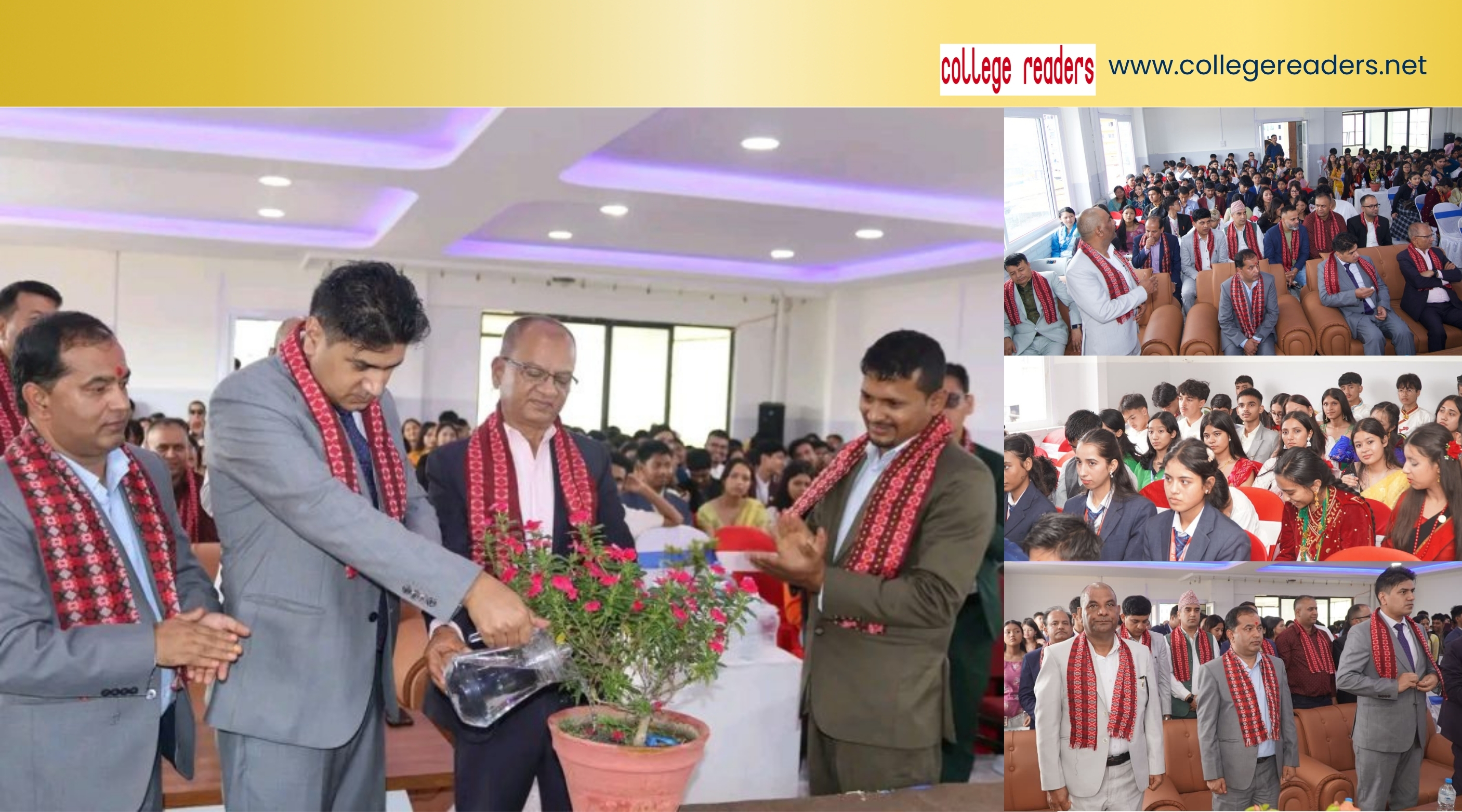
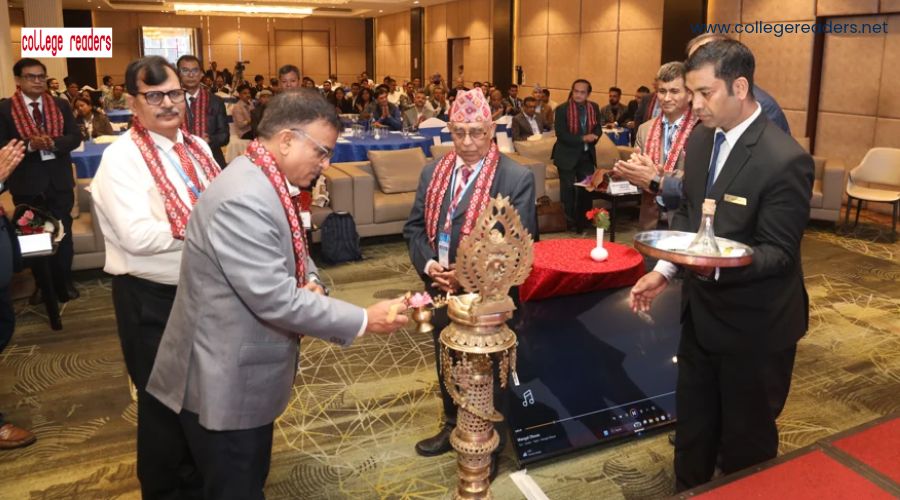
KATHMANDU, August 21 — More than 200 students representing 74 colleges across Bagmati Province have gathered in Kathmandu for HISSAN Bagmati MUN–2026: Dialogue, Diplomacy & Impact, a three-day Model United Nations conference intended to prepare young people for future leadership.
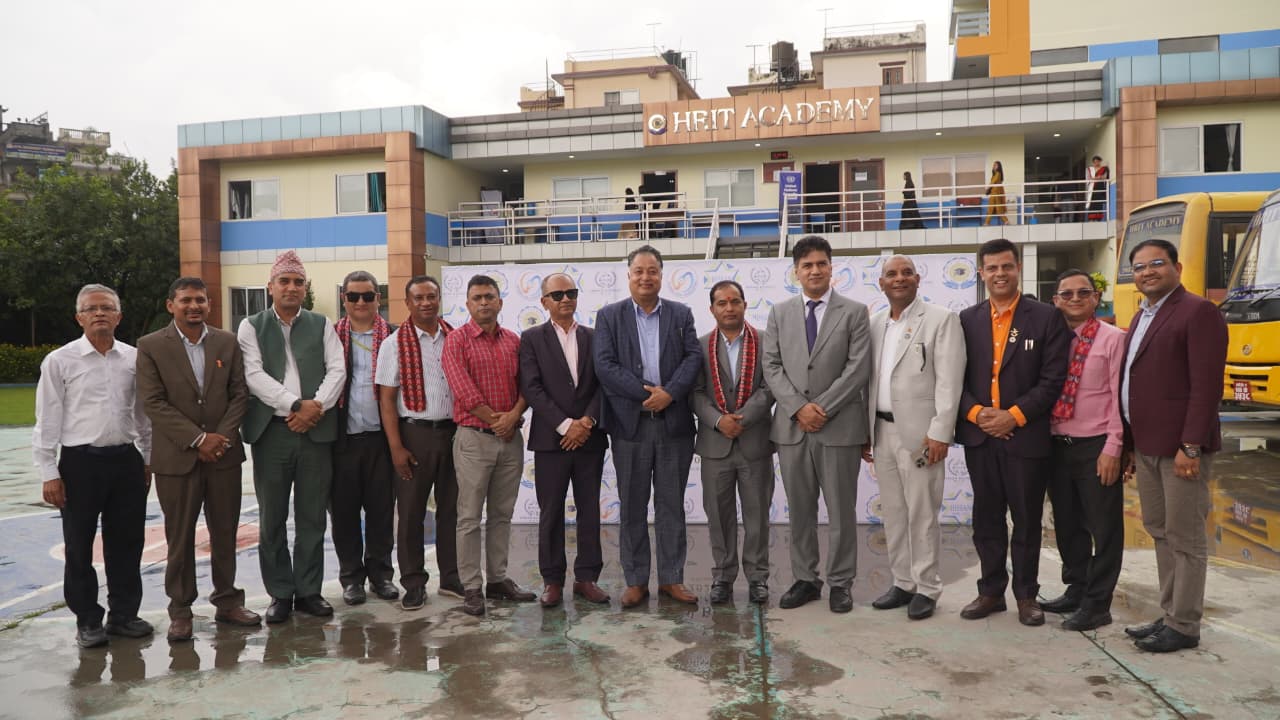
The conference began on Friday at Hrit Academy in Basundhara and will continue until August 23, 2026. It is jointly organised by HISSAN Bagmati Province and Global Help Foundation, with College Readers as the media partner.
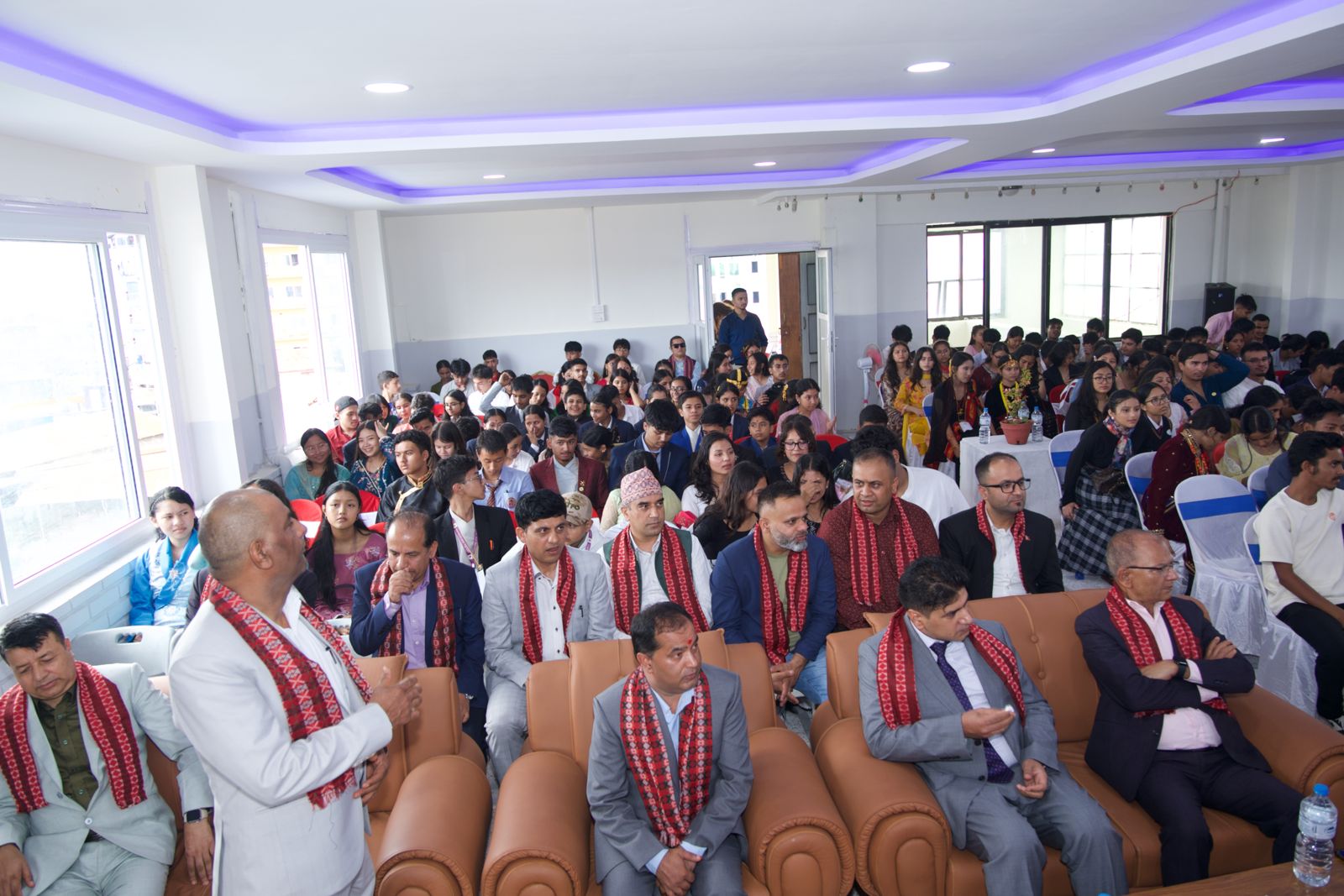
More than 200 students from 74 colleges across Bagmati Province are participating in the three-day conference.
Model United Nations, commonly known as MUN, is an academic simulation of the United Nations in which students assume the roles of delegates representing different countries. Participants research international issues, present their assigned countries’ positions, engage in formal debate, negotiate with fellow delegates and work towards mutually acceptable resolutions.
The main objective of the programme is to introduce students to diplomacy, multilateral cooperation and international policymaking while helping them acquire practical skills beyond the classroom. Through the simulation, participants learn to express their ideas clearly, listen to opposing viewpoints, defend their positions with evidence and seek solutions through dialogue and consensus.
The programme is being held under the chairmanship of Raj Kumar Acharya, President of HISSAN Bagmati Province, while Ananda Kumar Yadav, Vice-President of HISSAN Bagmati Province, is serving as the programme coordinator. The opening session was conducted by Madan Subedi, Secretary of HISSAN Bagmati Province.
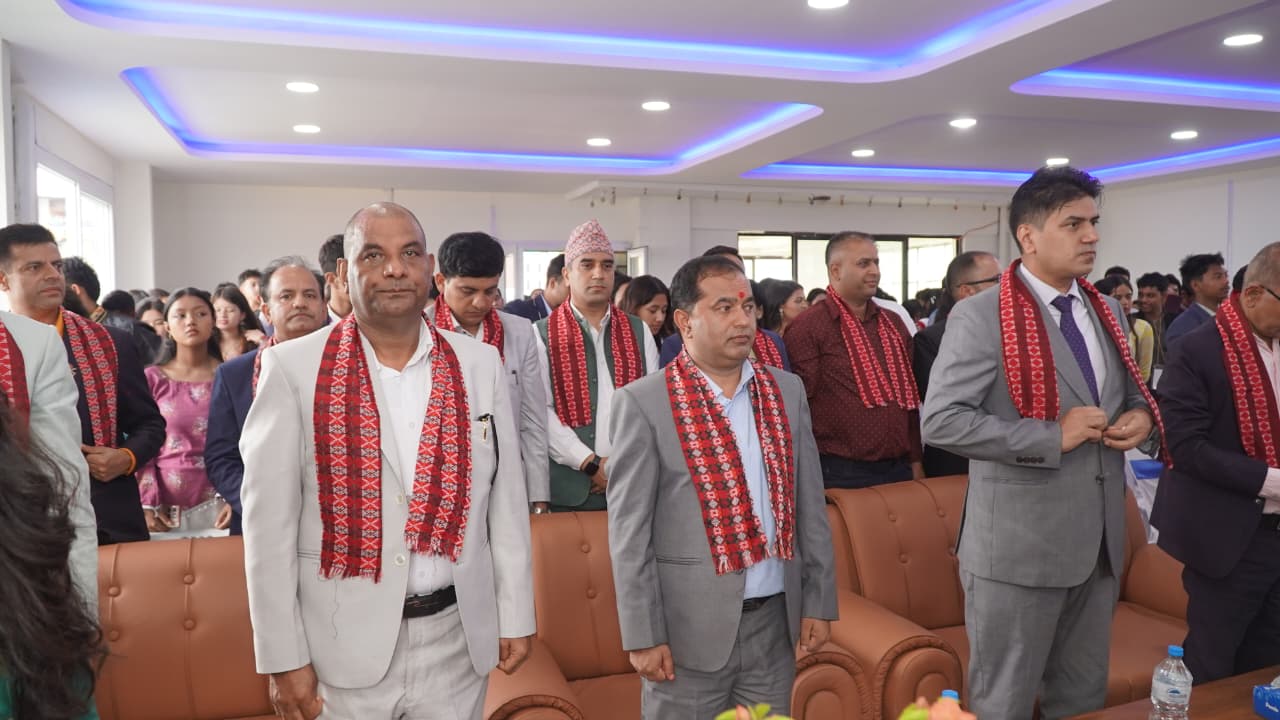
Former ambassador Sanil Nepal attended the inaugural session as the chief guest, while Ram Hari Silwal, General Secretary of HISSAN’s Central Committee, participated as the special guest. Other attendees included HISSAN Vice-President Dr Rishi Tiwari, Vice-President Bishnu Raj Poudel, Secretary Bhawani Prasad Poudel, Treasurer Shiva Adhikari, hissanists, principals and several representatives from the education sector.
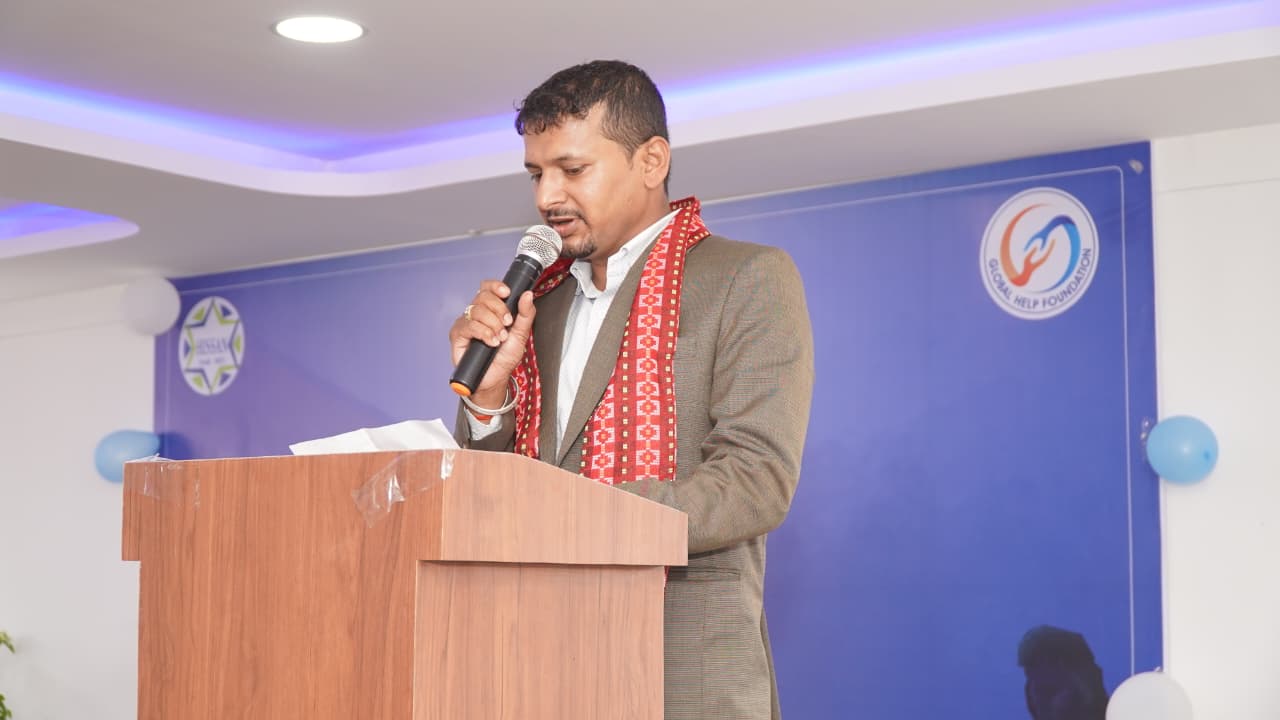
Yadav delivered the welcome address and said the programme’s foremost purpose was to prepare students to undertake leadership responsibilities in the future. He noted that textbook knowledge alone is insufficient in an increasingly competitive and interconnected world.
Students will represent different countries and debate international issues through diplomacy, negotiation and dialogue.
“Today’s students will become tomorrow’s policymakers, administrators, diplomats, entrepreneurs, teachers and social leaders,” Yadav said. “They should therefore be given opportunities to practise leadership before they are required to shoulder such responsibilities.”
He added that programmes such as MUN teach students to express themselves clearly, listen attentively, respect differing opinions and reach conclusions through constructive discussion. They also help participants strengthen their confidence, communication, judgement and ability to collaborate with others.
The Chief Executive Officer of Global Help Foundation-Sanjib Bhattarai briefed participants on the format, procedures and principal components of the MUN conference.
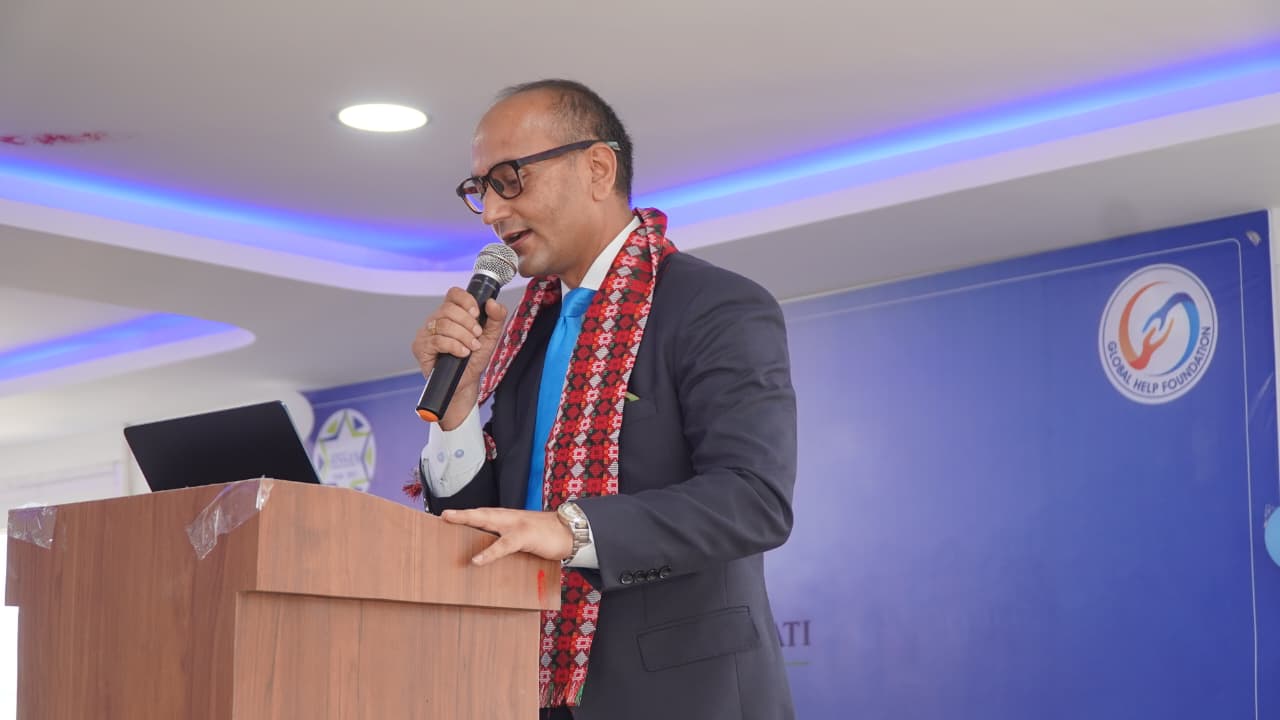
Addressing the inaugural session, former ambassador Nepal described MUN as an effective platform through which students can develop a practical understanding of international affairs. In an interconnected world, he said, an event or policy decision in one country can have consequences extending far beyond its borders.
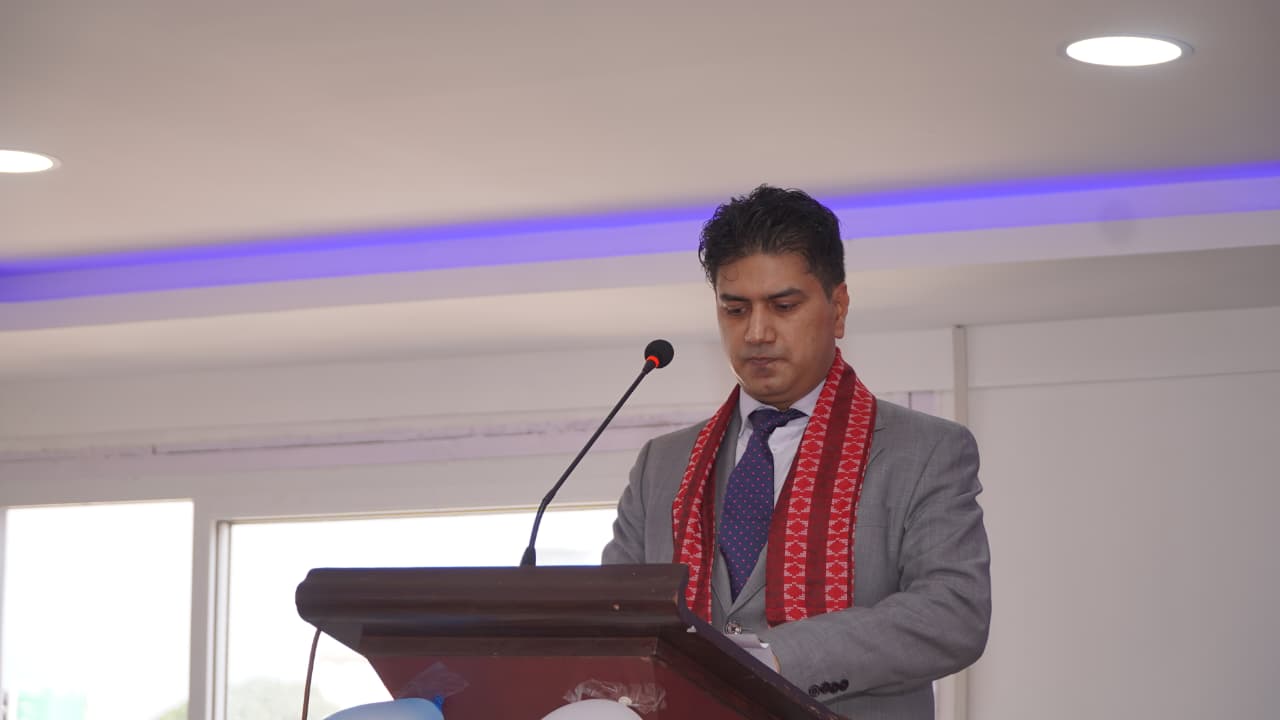
“Many global problems cannot be resolved through the use of force; they require dialogue, negotiation and diplomacy,” Nepal said. “Students should develop the habit of listening to people with different views and presenting their own positions through reasoned arguments.”
He explained that diplomacy is not limited to advancing one’s own position. It also involves understanding the concerns of other parties and building cooperation, trust and mutual understanding.
HISSAN General Secretary Silwal said education should not be confined to helping students pass examinations and obtain certificates. It should also promote leadership, creativity, critical thinking, social responsibility and the overall development of students’ personalities.
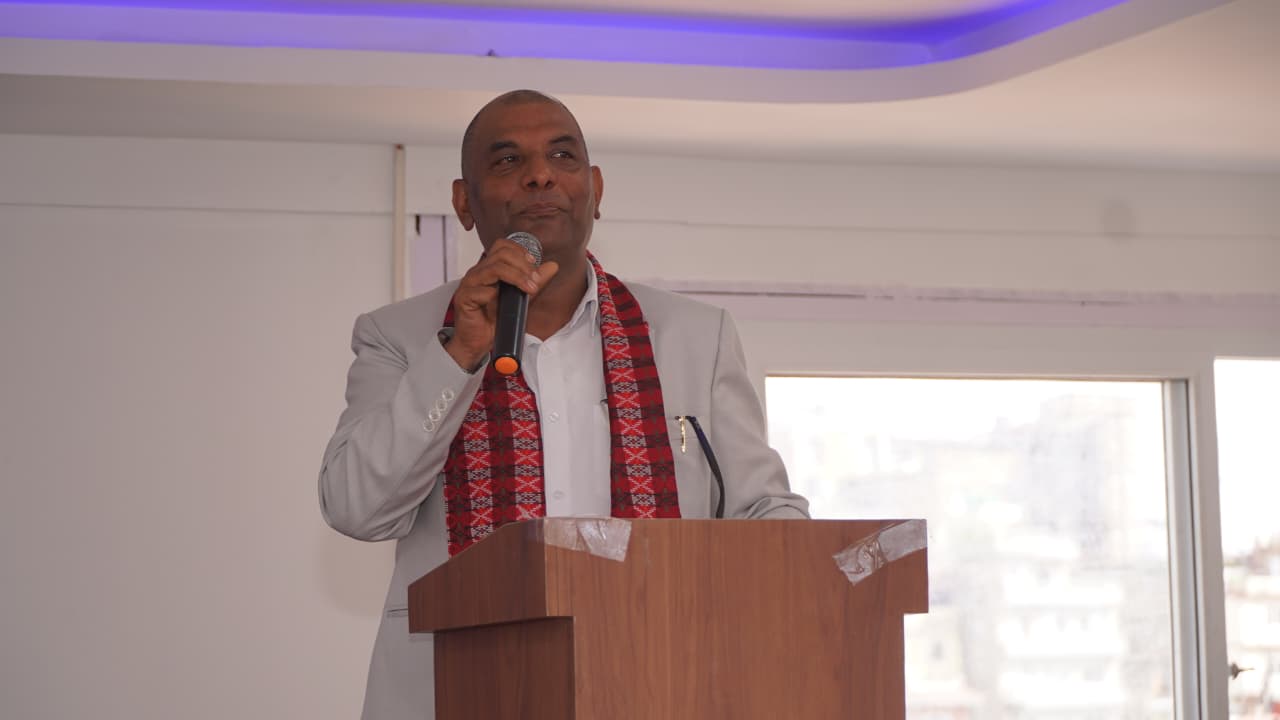
According to Silwal, MUN provides students with an opportunity to identify their abilities and apply them in a practical setting. Participants do not merely deliver speeches; they also learn to listen, analyse information, construct arguments, negotiate agreements and accept responsibility for their decisions.
Programme Chair Acharya said the conference’s theme—Dialogue, Diplomacy & Impact—captures three essential qualities that young people need to develop. He explained that the event was organised to connect the theoretical knowledge acquired in the classroom with practical experience.
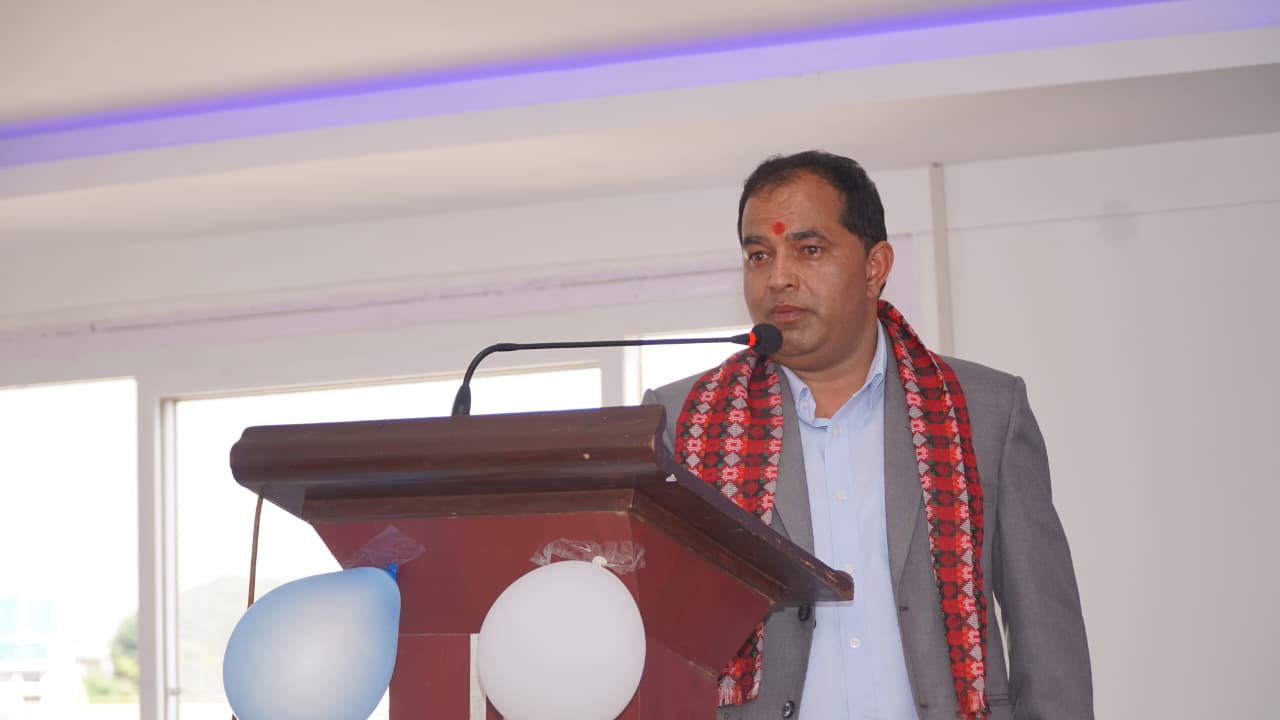
Acharya described the participation of more than 200 students from 74 colleges as a significant achievement. Bringing together students from different institutions and backgrounds, he said, encourages diversity of thought and creates an environment in which fresh ideas and leadership qualities can emerge.
The programme aims to develop leadership, public speaking, critical thinking, teamwork and decision-making skills.
During the three-day conference, students will serve as delegates of different countries in simulated UN committees. They will present national positions on international issues, raise questions, debate competing perspectives, negotiate with other delegations and formulate common solutions.
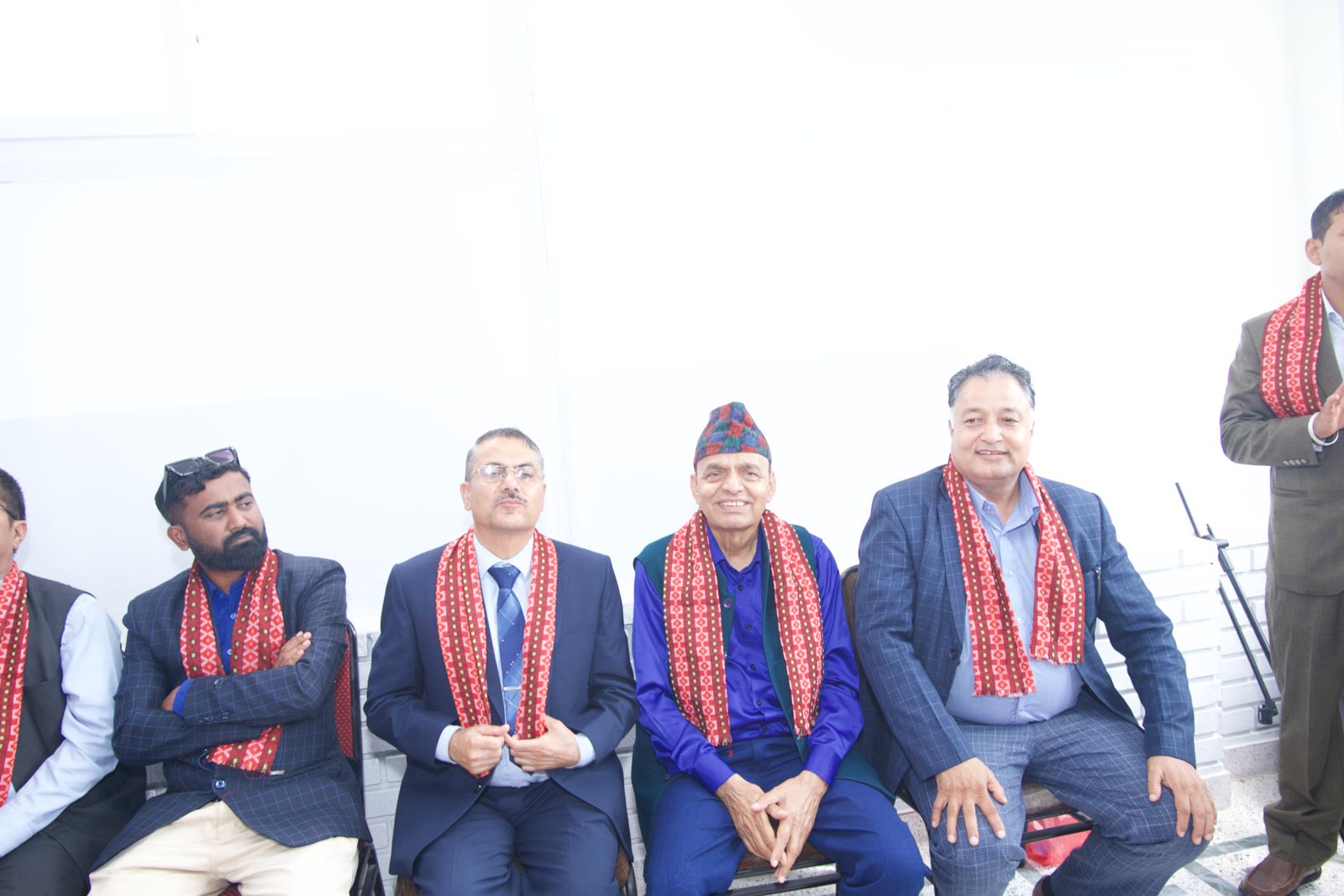
The activities are expected to strengthen participants’ skills in leadership, public speaking, critical thinking, negotiation, teamwork, decision-making and professional communication. Students will also learn how formal meetings are conducted, resolutions are drafted and countries cooperate through multilateral institutions.
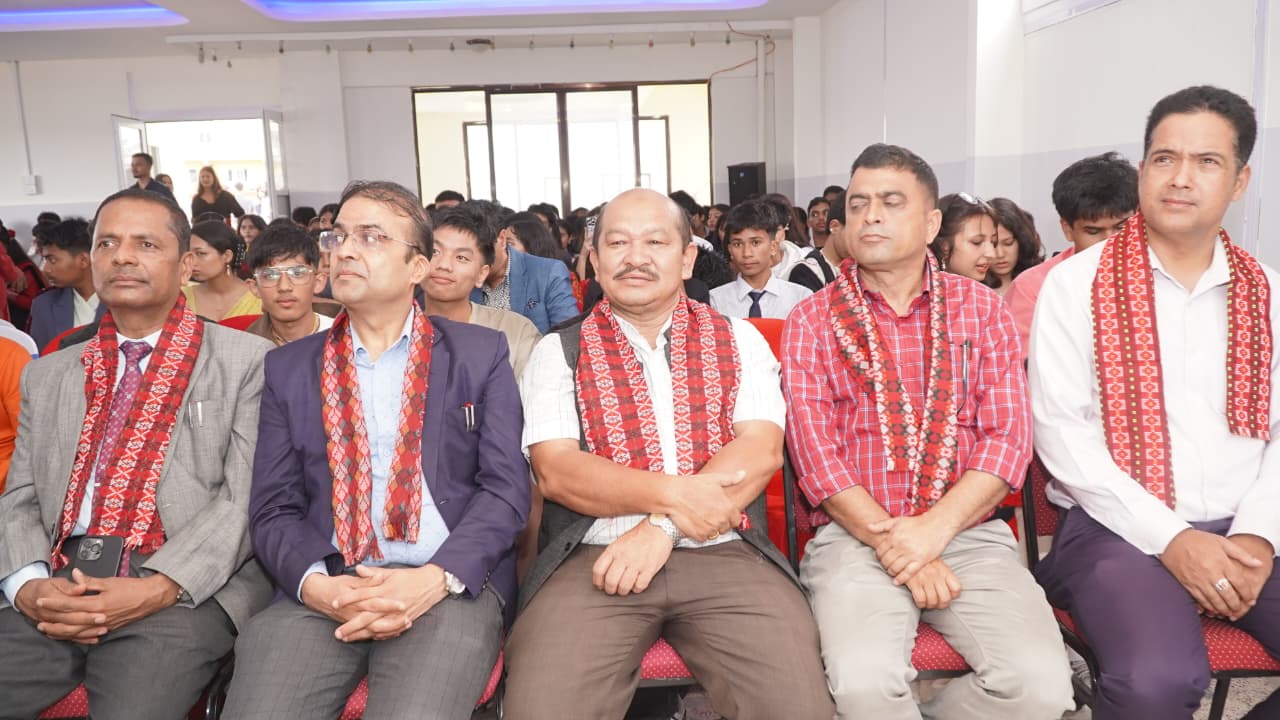
Beyond developing these skills, the conference gives students an opportunity to build networks with participants from other colleges, gain confidence in formal settings and improve their ability to respond to complex issues under pressure. It also encourages them to become informed, responsible and globally aware citizens.
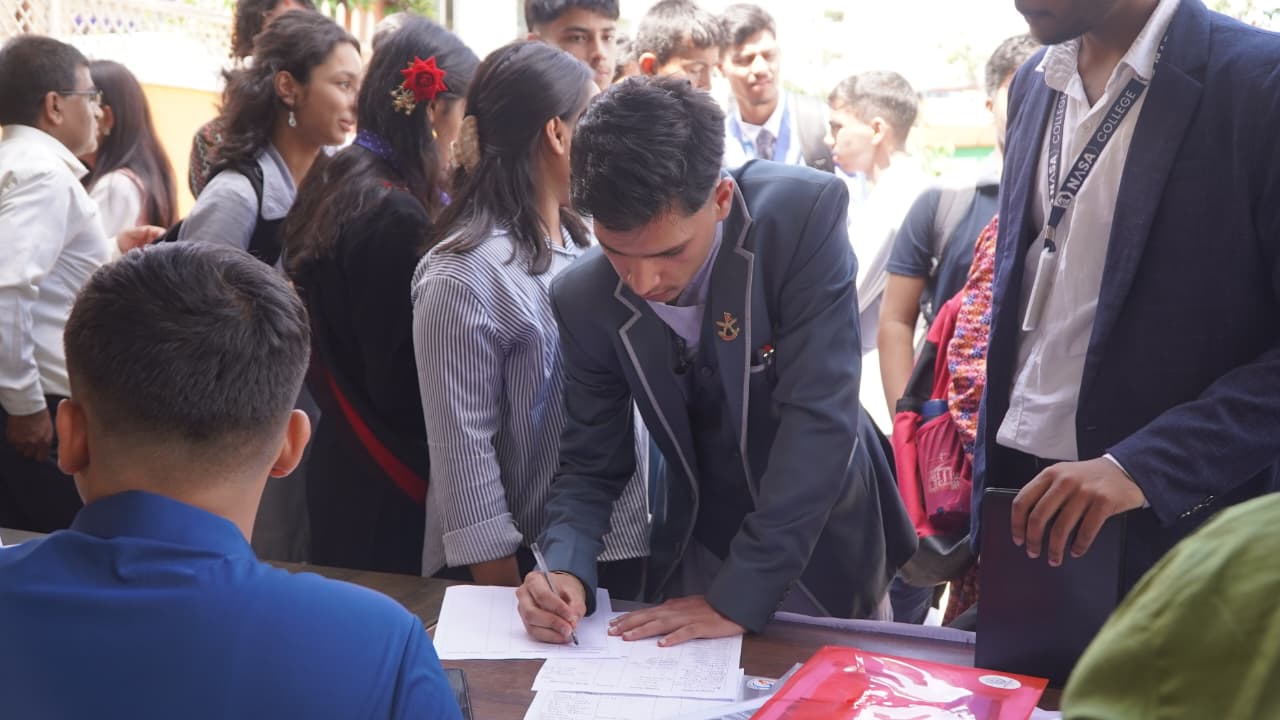
Through committee sessions and diplomatic simulations, participants will explore international relations, human rights, peace and security, policymaking, global challenges and multilateral cooperation.
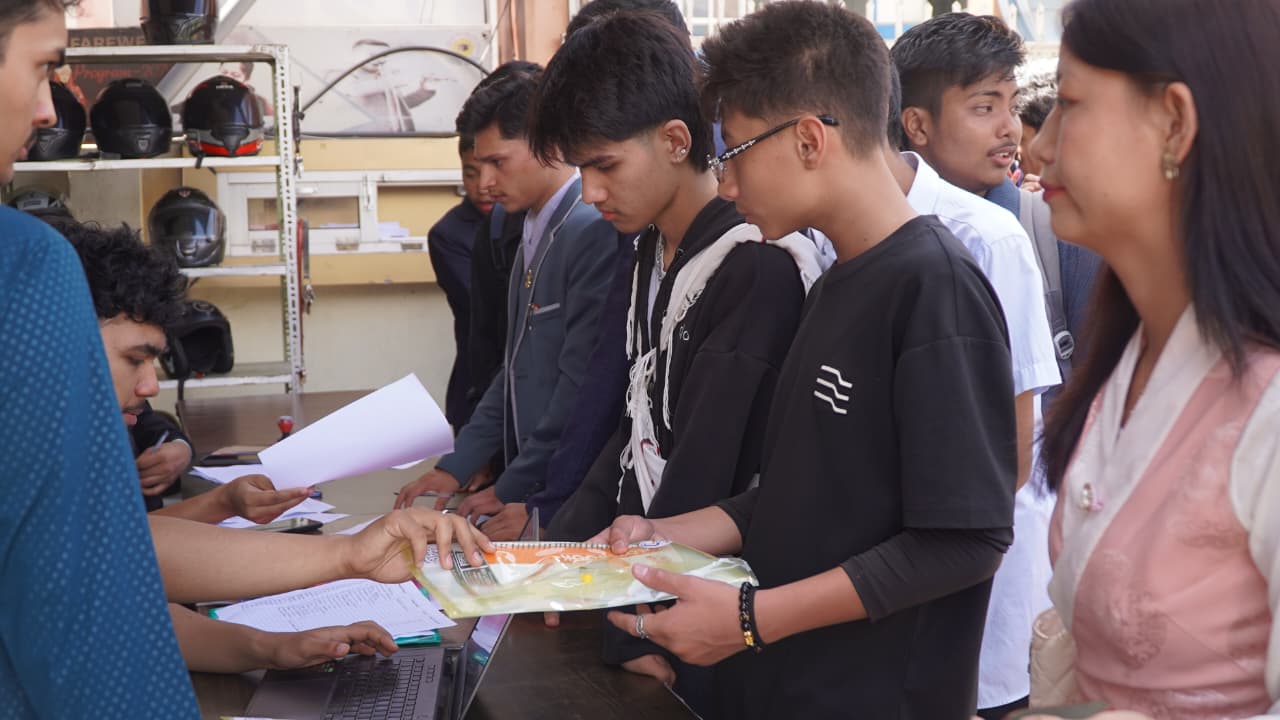
HISSAN Bagmati MUN–2026 has created a practical learning environment that extends beyond conventional classroom instruction. By the conclusion of the conference, participants are expected to have gained a broader understanding of global affairs and greater confidence in presenting ideas, resolving disagreements and preparing themselves for future leadership.
Popular Categories
Trending This Month








 Established in 2065 BS, COLLEGE READERS is a premier national-level educational magazine dedicated to serving the academic and informational needs of school and university students, teachers, educators, and concerned ones in Nepal. The magazine provides current and comprehensive information on various educational opportunities worldwide, aiming to guide school and college-level students in their academic and career journeys. It also highlights essential support services and service providers that play a crucial role in shaping students' career paths in today's competitive world.

- Our Location Putalisadak, Kathmandu
- Send Us Email collegereaders123@gmail.com
- Call Us Now 977 01 4518759
