
Call now
977 01 4518759
Send Message
collegereaders123@gmail.com
Our Location
Putalisadak, Kathmandu
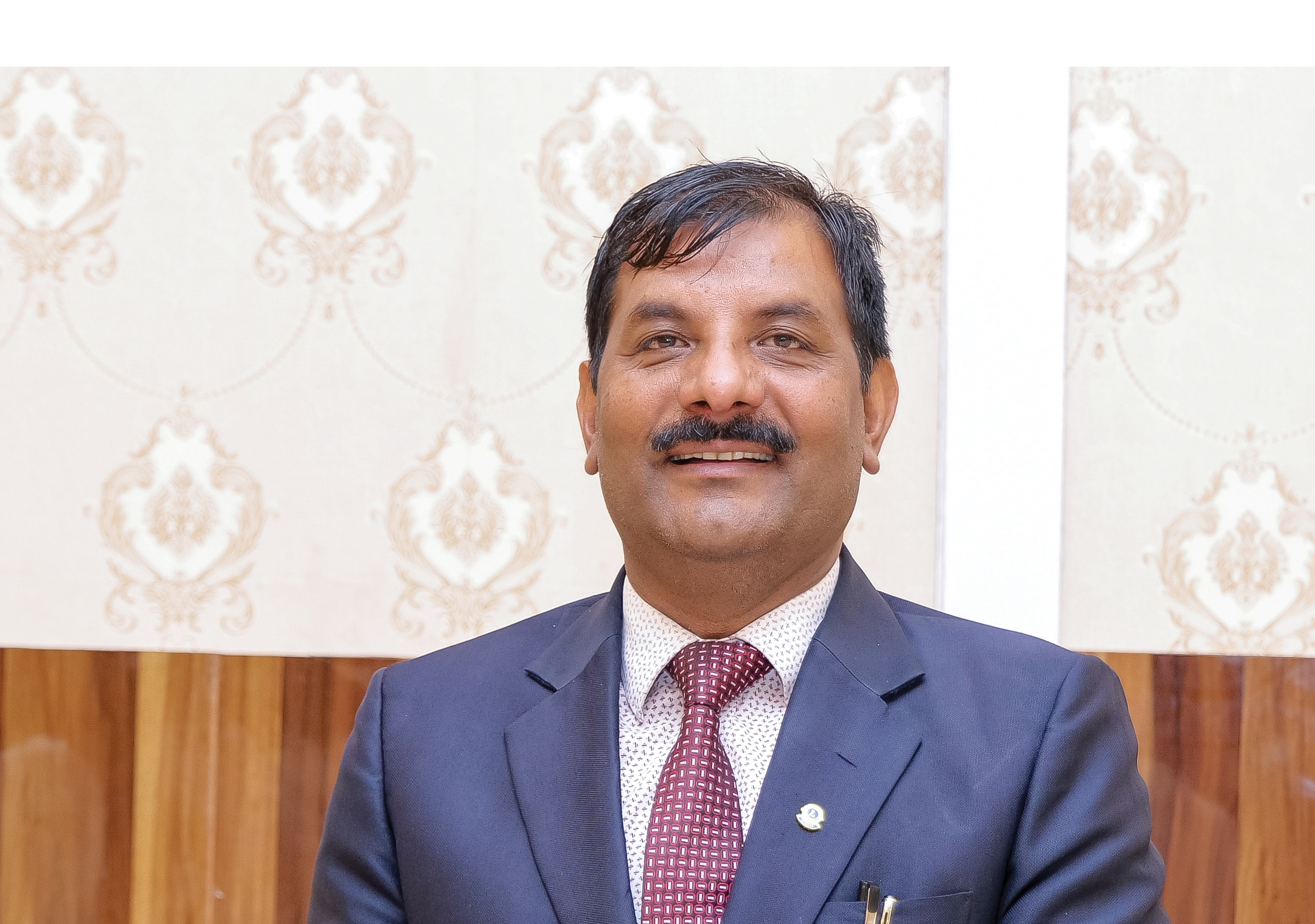
Let This Convention Renew Our Shared Purpose for Unity, Consensus, and Collective Growth
- College Readers
- 18 Feb 2026
- Views
- Interviews
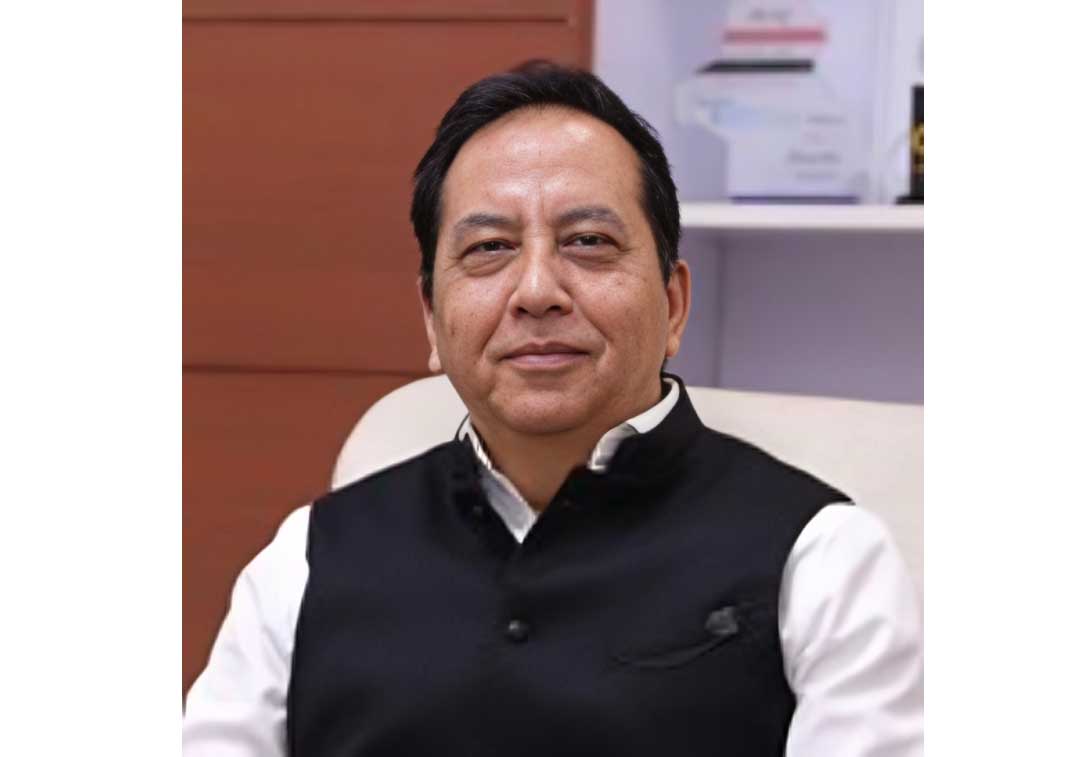
As the Kathmandu District Convention approaches, educational leaders are reflecting on the evolving role of institutional networks in shaping Nepal’s private education sector. In this conversation, Ram Hari Silwal, General Secretary of HISSAN, and Principal of Himalaya School & College discusses organizational restructuring, policy advocacy, and the importance of consensus-driven leadership to strengthen academic institutions in a federal governance context.
College Readers: HISSAN Kathmandu District Convention is being held on the 8th of Falgun. From your long involvement, how do you assess the journey that has brought the organization to its current stage?
Silwal: The progress we see today is the outcome of collective commitment rather than individual accomplishment. When the organization was first established in 2053 B.S., it showed early promise but could not remain consistently active. After its revival in 2064 B.S., we entered a phase of sustained engagement. I have been part of this journey at multiple levels—from district member to district secretary, district president, and later central responsibilities.
Each phase focused on rebuilding trust among institutions, strengthening internal coordination, and expanding membership participation. The objective has always been clear: protect institutional interests, ensure quality education delivery, and create a unified voice capable of engaging constructively with the state at policy level. What we have achieved is the result of teamwork among senior educators, emerging leaders, and committed institutions.
College Readers: Having served both at district and central levels, what makes Kathmandu strategically significant within the organization’s structure?
Silwal: Kathmandu is not only the capital but also the largest concentration of member institutions. Historically, it has functioned as an operational nucleus where ideas are tested and leadership is groomed. Many leaders who later contributed nationally first gained experience here.
Because of this centrality, activities carried out in Kathmandu often influence how programs are replicated elsewhere. The district therefore carries both symbolic and functional importance—it must demonstrate organizational discipline, innovation, and inclusiveness.
College Readers: From a policy perspective, what role should the central leadership play in strengthening district-level activities?
Silwal: The central body must act as a facilitator rather than merely a regulator. Our primary responsibility is to expand organizational reach while enhancing institutional capacity. This includes professional development, managerial training, and academic collaboration among members.
Equally important is coordination—with local governments, provincial authorities, and other educational stakeholders. Education today operates within a decentralized governance system, so alignment across all tiers is essential. By supporting districts with policy guidance and technical frameworks, the center ensures uniform standards without limiting local initiative.
College Readers: You often mention capacity building as a priority. What does that mean in practical terms for member institutions?
Silwal: Capacity building goes beyond workshops. It includes strengthening laboratories, modernizing teaching practices, organizing sports and extracurricular platforms, and equipping administrators with management skills. Institutions must evolve academically as well as organizationally.
We are also encouraging collaborative programs where institutions share resources and expertise. When schools and colleges work together instead of in isolation, they create an ecosystem of learning that benefits students and educators alike.
College Readers: The organization has traditionally emphasized consensus in leadership selection. How relevant is that approach today?
Silwal: Consensus has been a defining characteristic of our culture. While democratic competition is sometimes necessary—particularly when capable aspirants increase—we still strive to build agreement wherever possible. Consensus-based leadership fosters unity and reduces fragmentation.
At district and provincial levels especially, cooperation is more valuable than contestation. Our goal is to recognize individuals’ strengths and position them where they can contribute most effectively. Leadership should emerge through dialogue, not division.
College Readers: What immediate priorities should the newly elected district team focus on after the convention?
Silwal: First, organizational consolidation. Although we have strong and committed members, our numerical reach must expand to include more institutions. Strengthening municipal-level engagement will be key to this process.
Second, managerial reform—systematizing academic infrastructure, promoting student-centered activities, and ensuring regular professional training. Third, enhanced coordination with local education authorities so that institutional concerns are addressed through structured dialogue.
Finally, we must introduce creative and innovative programs that respond to contemporary educational needs. An organization must evolve with time if it wishes to remain relevant.
College Readers: Social responsibility has also been highlighted as part of institutional engagement. Why is this important for an educational network?
Silwal: Educational institutions are not isolated entities; they are integral parts of society. Community-oriented initiatives—such as environmental programs, awareness campaigns, and public service activities—demonstrate that education extends beyond classrooms.
Such engagement strengthens public trust and reinforces the idea that private institutions are partners in national development rather than mere service providers.
College Readers: How do you envision the organization adapting to the broader changes in Nepal’s education landscape?
Silwal: We must embrace adaptability. The future of education will be shaped by technology integration, interdisciplinary learning, and stronger collaboration between institutions and government bodies. Our responsibility is to create structures that encourage innovation while safeguarding academic quality.
If we remain responsive to change and committed to collective action, we can contribute meaningfully to shaping national education discourse.
College Readers: As the convention approaches, what message would you like to share with participating members?
Silwal: This convention comes at an important moment, shortly after the completion of our central assembly. The enthusiasm among members is encouraging. I urge everyone to prioritize unity, select leadership through understanding and consensus, and commit themselves to organizational expansion and innovation.
Let this gathering not be seen merely as an electoral exercise, but as an opportunity to renew our shared purpose—to strengthen institutions, support educators, and create an environment where quality education can flourish.
Popular Categories
Trending This Month








 Established in 2065 BS, COLLEGE READERS is a premier national-level educational magazine dedicated to serving the academic and informational needs of school and university students, teachers, educators, and concerned ones in Nepal. The magazine provides current and comprehensive information on various educational opportunities worldwide, aiming to guide school and college-level students in their academic and career journeys. It also highlights essential support services and service providers that play a crucial role in shaping students' career paths in today's competitive world.

- Our Location Putalisadak, Kathmandu
- Send Us Email collegereaders123@gmail.com
- Call Us Now 977 01 4518759
