
Call now
977 01 4518759
Send Message
collegereaders123@gmail.com
Our Location
Putalisadak, Kathmandu
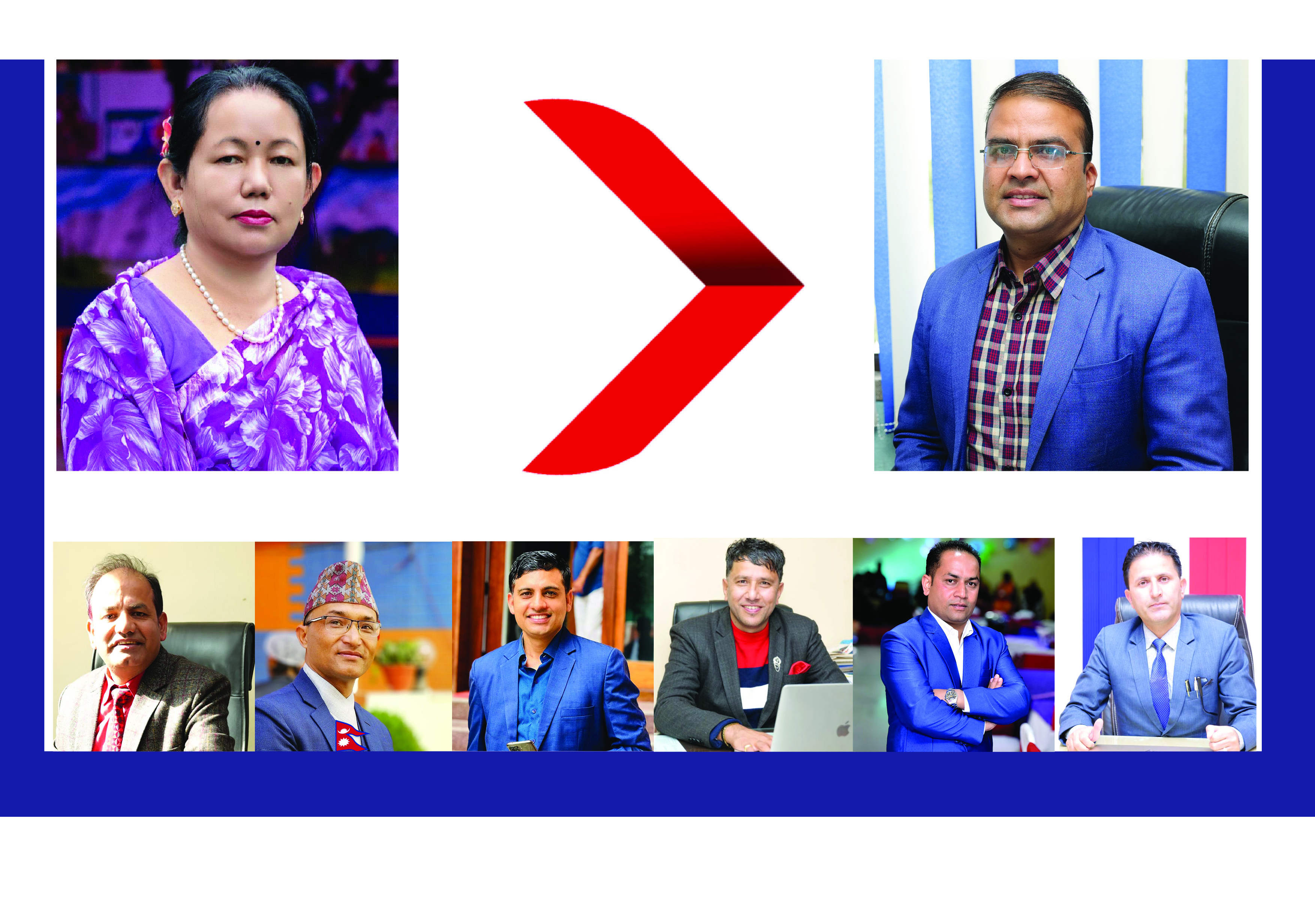
A Pivotal Juncture in Kathmandu's Higher Education: HISSAN Kathmandu's Historic 7th Convention
- College Readers
- 18 Feb 2026
- Views
- Features
The milieu within Nepal's educational fraternity is currently permeated with palpable expectancy. The Higher Institutions and Secondary Schools' Association Nepal (HISSAN) is poised to convene its 7th District Convention for Kathmandu, scheduled for the 8th of Falgun 2082 at the Malla Hotel. This event is being universally acknowledged not merely as a bureaucratic landmark, but as a watershed moment in organizational leadership succession.
HISSAN functions as the apex institution for privately funded secondary schools and tertiary establishments. Its overarching mandate is to engender disciplined, patriotic, and globally cognizant citizens by continuously enhancing pedagogical quality across secondary and higher education. As a crucial liaison between member institutions and central administrative functions, the HISSAN Kathmandu district committee occupies a pivotal position with expansive responsibilities encompassing educational programming, resource mobilization, and policy advocacy. The forthcoming convention will determine how this indispensable body navigates the contemporary complexities of Nepal's educational topography.
The Transformative Epoch: Jessica Chemjong's Legacy of Praxis
Central to this forthcoming convention is the transition of Ms. Jessica Chemjong, the outgoing President of HISSAN Kathmandu. Characterized as a "formidable leader" within the educational sector, she holds the historic distinction of being the inaugural woman to helm this influential district committee. Mrs. Chemjong, who concurrently serves as Founder Principal of New Arunodaya English Secondary School, bequeaths an indelible imprint upon the academic landscape. Her approximately 25-month tenure has been widely heralded as an 'Epoch of Transformation,' distinguished by an emphatic prioritization of "action over rhetoric."

Among her most lauded organizational accomplishments is orchestrating the convention ahead of every other district committee nationally—an unparalleled feat of administrative efficacy in HISSAN's institutional history. Remarkably, this 7th convention is being conducted two months ahead of its stipulated deadline.
Throughout her tenure, Chemjong emphasized the devolution of authority by engaging local municipal committees in deliberative processes, ensuring that the electoral proceedings became a collective celebration of organizational advancement rather than a contentious struggle for positional supremacy. Recognizing that the Local Government Operation Act and the Constitution of 2072 devolved secondary education oversight to local governance, her leadership acknowledged they could no longer remain solely "centralized." Consequently, she established formidable joint committees encompassing the municipalities of Kageshwori Manohara, Gokarneshwor, and Shankharapur. Her administration successfully implemented energizing conventions across multiple municipalities, including Tokha, Tarakeshwor, Chandragiri, Nagarjun, Kirtipur, and Kathmandu Metropolitan City itself.
To cultivate a comprehensive educational ecosystem, she inaugurated major athletic competitions including the Inaugural First President's Cup Basketball Tournament and the Founder's Badminton Tournament, the latter uniting founders, directors, and principals in constructive competition. Additionally, her large-scale academic quiz competitions for +2 Science and Management students, executed in collaboration with College Readers, established a benchmark for scholastic competition nationwide.
The Architecture of Consensus: Gopiraj Parajuli's Strategic Vision
As Chemjong relinquishes her position, considerable attention now focuses on Mr. Gopiraj Parajuli, the consensus candidate for the Presidency. Parajuli, a veteran academician and Principal of Precious National College, has been a stalwart pillar of HISSAN since 2069 B.S. His thirteen-year trajectory has witnessed his evolution from general member to Secretary, Senior Vice President, and now anticipated leader. Parajuli perceives his elevation not as competitive ascendancy, but as an orderly succession paradigm that demonstrates institutional cohesion and stability to governmental and public stakeholders. He indicates that contemporary discourse reveals clear collegial aspiration for unanimous progression.
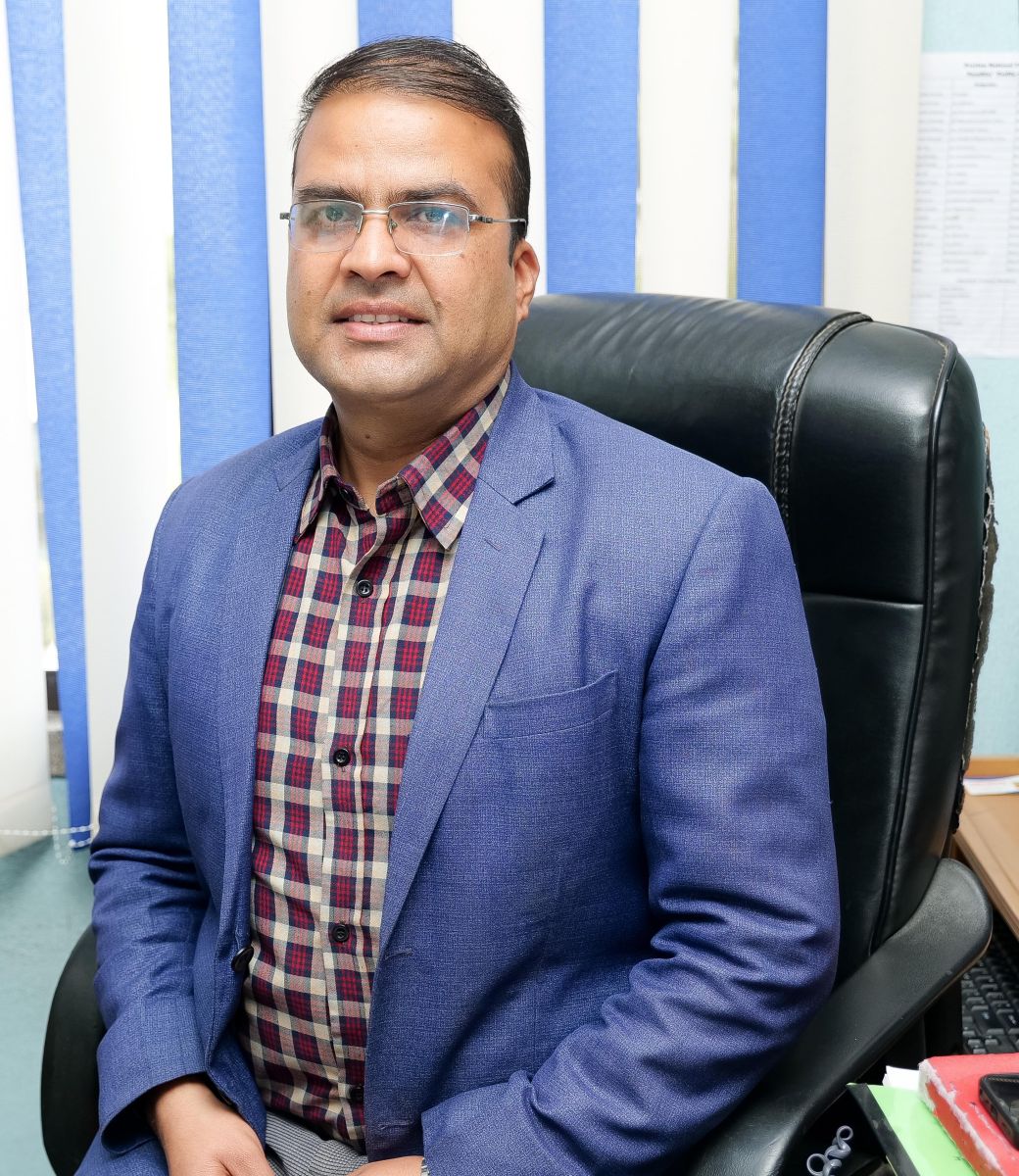
Parajuli has identified a persistent "perceptual disjunction" as the most enduring obstacle confronting private education. He observes that governmental attitudes frequently remain static, regarding institutional schools with dubiety rather than as collaborative partners in nation-building, despite society's substantial evolution over the preceding two decades. To counter this challenge and fortify HISSAN Kathmandu, Parajuli has articulated a strategic framework resting upon five foundational pillars:
• Membership & Unity: Eliminating ambiguity among stakeholders and incorporating additional institutions into the organizational fold. • Local Government Synergy: Ensuring every decentralized municipality recognizes HISSAN as a legitimate, authoritative partner. • Branding through Service: Expanding pedagogical resources, such as their extensively utilized practice books in Science and Management, to enhance the HISSAN brand. • Capacity Building: Launching systematized professional development programs for educators and staff to elevate HISSAN as a professional entity. • Institutional Recognition: Perpetuating the 'Letter of Institutional Appreciation' initiated by Chemjong to ensure every member perceives their contribution as valued.
The Vice-Presidential Contenders
The positions of Senior Vice President and Vice President are equally critical for strengthening organizational infrastructure.
.jpg)
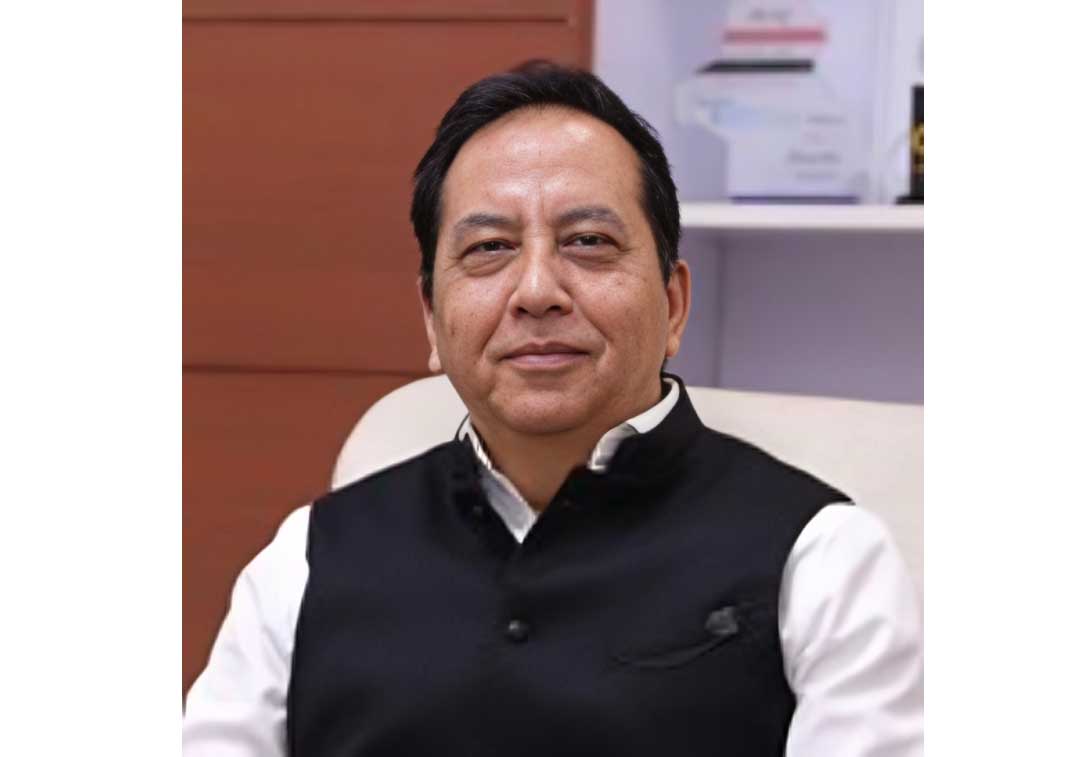
Rishi Neupane, with nearly a quarter-century in educational leadership and twelve years serving as principal, is contending for Senior Vice President. He underscores the imperative of enhancing existing programs' efficacy and incorporating unaffiliated colleges into the network to strengthen institutional synergy. Neupane further emphasizes that at the policy stratum, HISSAN must champion reforms promoting pedagogical excellence and supporting private institutions. It is widely anticipated that the Senior Vice Presidential position will be conferred upon him.
Drawing on his experience as Secretary, Lakas Shrestha is seeking the Vice Presidency to provide "visionary leadership" during a critical juncture for private education. He aims to bridge the gap between central goals and local implementation by coordinating newly formed municipal committees.
.jpg)
His candidacy is driven by a desire to ensure "investment security" and institutional stability, advocating for a unified, dynamic force that can effectively collaborate with government bodies to safeguard the entire sector.
Dipak Neupane, currently Treasurer, also aspires to the Senior Vice Presidency. His cardinal conviction is that institutional trust must first be consolidated at the grassroots level before the organization can reinforce its collective potency and augment its national presence. He prioritizes organizational unity and remains receptive to exceptional decisions that preserve harmony and sustained collaboration among colleagues and members. For the sake of unanimous accord, he appears to be reconsidering the Treasurer position.

Laxman Ghimire, campaigning for Vice-President, conceives the role as that of a dynamic architect of institutional growth. He aspires to reconcile institutional divisions, catalyze excellence through academic programming, and ensure a leadership paradigm rooted in transparency and accountability where every institutional voice receives consideration and respect. In the spirit of consensus and mutual accommodation, he appears amenable to serving in another significant executive committee capacity, such as Joint Secretary or Joint Treasurer.
Aspirants for the Secretariat
The Secretary position similarly attracts formidable candidates, notably Krishna Gautam and Chhabi Pandey.

Krishna Gautam, Campus Chief of Venus National College, holding an M.Phil in Education and pursuing doctoral studies in International Relations and Diplomacy, brings scholarly rigor to his candidacy. Having served as Joint Secretary, he perceives the Secretary as the organizational linchpin, ensuring effective implementation of policies, programs, and institutional coordination. Gautam's vision is to modernize HISSAN's operational approach, ensuring institutional agility rather than sporadic activation during conventions followed by organizational dormancy. He aims to sustain continuous engagement through regular interaction, student-centered programming, leadership development initiatives, and a systematized calendar adopting international best practices. His election as Secretary is virtually assured.
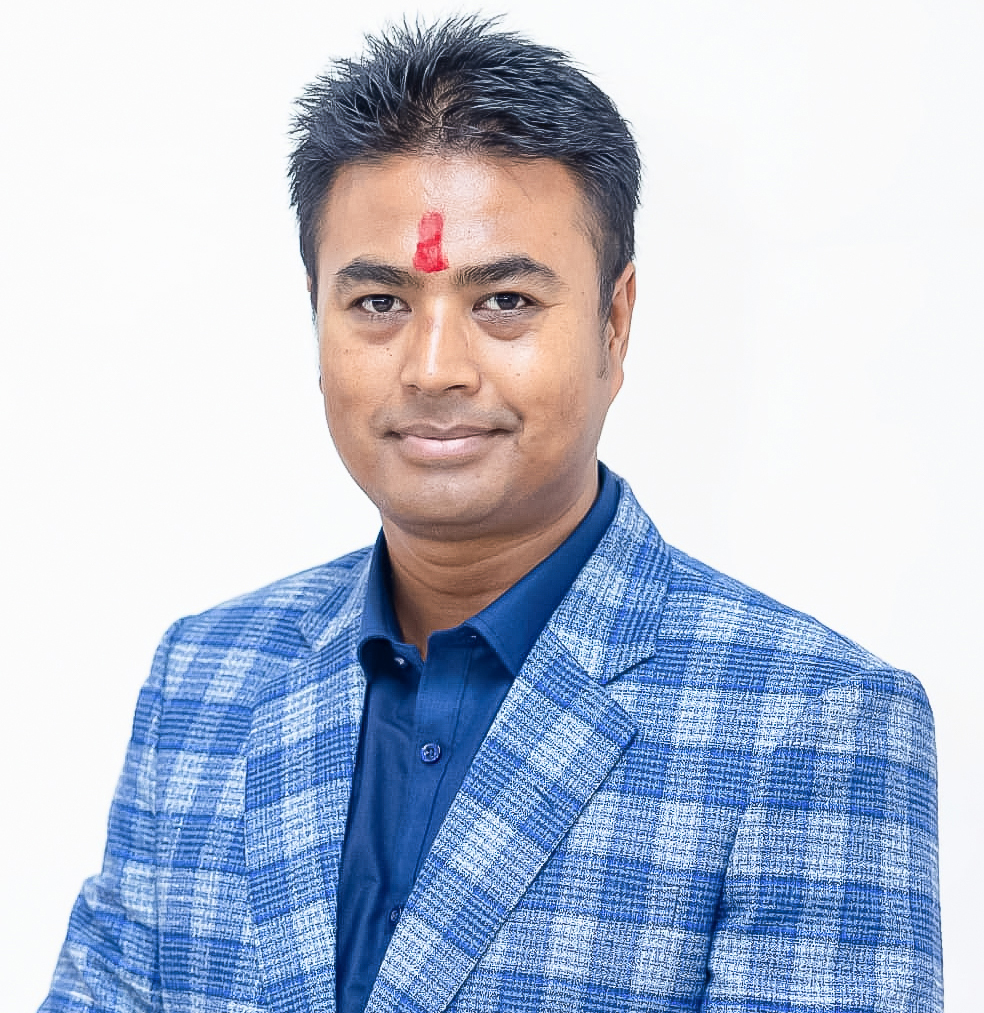
Chhabi Pandey offers a repository of administrative acumen, having led multiple institutions including Everest, Premier, Columbus, and Excel. Pandey firmly maintains that professional organizations should not devolve into platforms for positional rivalry. Demonstrating his commitment to organizational cohesion, he has consciously recused himself in previous conventions to ensure consensus and institutional harmony. Pandey contends that authentic leadership necessitates the fortitude to raise substantive concerns with pertinent authorities and work collaboratively toward meaningful reform in a sector where policies are occasionally inequitable or discriminatory. He remains prepared to support more experienced or capable candidates should they emerge, emphasizing that collective advancement supersedes personal aggrandizement. In the spirit of unity and mutual understanding, he will likely serve as Joint Secretary or Joint Treasurer.
The Candidates for Treasury
While the presidency appears destined for unanimous ratification, other executive positions are eliciting substantial interest. The Treasurer role, critical for the institution's fiscal infrastructure, sees two robust candidates expected to compete: Shyam Krishna Maharjan and Dipak Adhikari. However, the possibility remains that Dipak Nyaupane, the incumbent Treasurer, may seek re-election to the same position at the 7th district convention.
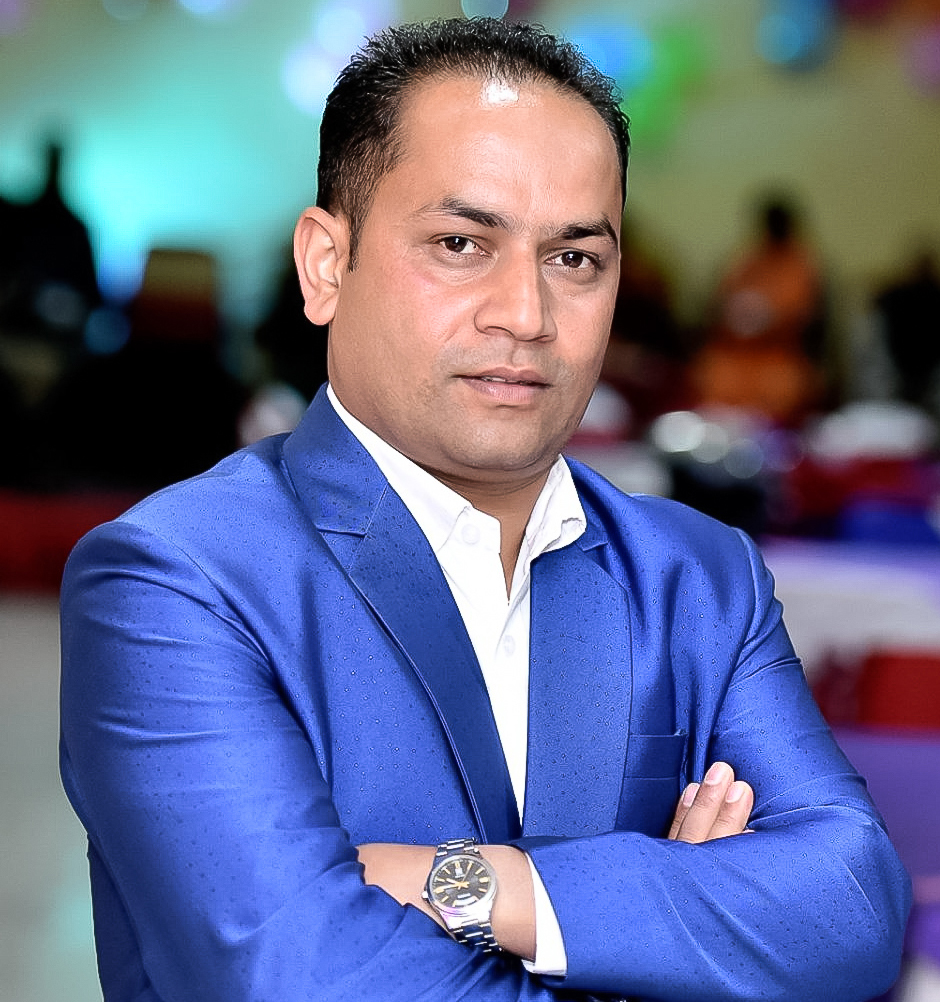
Shyam Krishna Maharjan, +2 Head of Bright Future Secondary School, has successfully completed two terms on the executive committee. He regards the institution's financial status as its "vertebral column," believing that absent fiscal stability, no academic vision can be effectively actualized. Maharjan's strategy centers on financial prudence. He aims to achieve high-caliber objectives while rigorously regulating expenditures. His envisioned methodologies include formulating stringent budgets from inception, soliciting sponsorships, collaborating with partner institutions, and implementing enhanced cost-containment policies ensuring expenditures never exceed available resources.

Dipak Adhikari, a long-standing member, advances with an emphasis on fiscal discipline and accountability. Adhikari asserts that judicious economic structuring constitutes the foundation of organizational sustainability. His priorities as Treasurer encompass ensuring transparency, expeditious financial processes, and systematic coordination among member institutions. Drawing from his active engagement in publication-related endeavors, press coordination, and textbook production, Adhikari underscores the significance of structured planning and collaborative effort for improving both operational efficiency and revenue generation. He aims to introduce pragmatic initiatives alongside a capable and energetic team—many of whom are professionals in the 38 to 42 age demographic.
The Tripartite Educational Challenges
Whoever assumes HISSAN Kathmandu's leadership will confront formidable external challenges. Paramount among these is the ongoing discourse surrounding the Education Act. The incoming leadership is expected to address the discriminatory and prejudicial dimensions of the Act, protecting substantial capital investments in the private education sector. Parliamentary deliberations have even featured propositions advocating the compulsory conversion of private institutes into trust entities.
Another substantial impediment involves traversing the administrative intricacies between local and provincial governments. With educational devolution, provinces possess authority to establish educational regulations, while local units can concurrently formulate rules that do not encroach upon provincial jurisdiction. Municipalities and Metropolitan Cities must develop policies that uniformly promote the advancement of both private and community schools. The incoming president must liaise closely with influential policymakers and the resolute, assertive metropolitan mayor, who operates with considerable autonomy.
This collaboration is particularly pressing regarding the contentious issue of scholarships. Previously, 10+2 schools conformed to National Examination Board (NEB) guidelines, offering scholarships that solely encompassed waivers in admission and monthly tuition fees. However, last year, Kathmandu Metropolitan City issued a mandate broadening these scholarships' scope to include examination fees, athletic and extracurricular fees, and transportation costs. The new leader is charged with undertaking forthright discourse with the mayor to address this matter expeditiously and preserve established scholarship provision protocols.
Finally, the impending exigency of "Brain Drain" must be confronted by the new leadership cohort. The substantial exodus of 10+2 graduates to foreign countries for tertiary education has profoundly destabilized Nepal's university education landscape, creating a massive fiscal and intellectual lacuna. To preserve the nation's intellectual capital, HISSAN aims to mitigate this hemorrhage by establishing that domestic pedagogical quality exceeds that offered internationally.
Conclusion
As representatives prepare to convene at the Malla Hotel for the 7th Convention, the implications for the private education sector have never been more consequential. The dynamism, operational efficacy, and institutional resilience of HISSAN Kathmandu will prove instrumental determinants in enhancing the nation's educational quality, rendering it internationally viable, and protecting private investments. Whether through the consensus leadership of Gopiraj Parajuli or the dynamic inclusion of executive aspirants, the organization is endeavoring to present a cohesive front. The private sector, as Mrs. Chemjong observed, represents an enduring presence, and its future depends upon leaders capable of transmuting collective challenges into substantive educational achievements.

Popular Categories
Trending This Month








 Established in 2065 BS, COLLEGE READERS is a premier national-level educational magazine dedicated to serving the academic and informational needs of school and university students, teachers, educators, and concerned ones in Nepal. The magazine provides current and comprehensive information on various educational opportunities worldwide, aiming to guide school and college-level students in their academic and career journeys. It also highlights essential support services and service providers that play a crucial role in shaping students' career paths in today's competitive world.

- Our Location Putalisadak, Kathmandu
- Send Us Email collegereaders123@gmail.com
- Call Us Now 977 01 4518759
